

Yuriy Dikov
1946 — Odesa (Ukraine). Worked in Odesa (Ukraine), Leningrad (now Saint Petersburg, Russia), works in New York (USA)
Yuriy Dikov is a graphic artist, architect, designer, and painter whose creative path is linked to Odesa, Leningrad, Moscow, and New York. His artistic practice includes work with pastels, oil painting, installations, and photo and digital collages.
Dikov received his initial art education in Transcarpathia, where he spent his childhood. From 1960 to 1961, he studied art at the Uzhhorod State Arts and Crafts College (now the Transcarpathian Academy of Arts). Prior to his enrollment, he was prepared for admission by the Transcarpathian artist Shandor Petki (1917–2005). From 1962 to 1965, Dikov continued his education at the Odesa Art College, where his teachers were Lyudmila Furdygailo and the famous Odesa artist Dina Frumina (1914–2005)—a student of Teofil Fraierman (1883–1957) who passed on to her students a passion for Henri Matisse (1869-1954), Georges Braque (1882–1963), and Pablo Picasso (1881–1973) —the school of Paris—as well as for the Dada artists Man Ray (1890–1976) and Max Ernst (1891–1976). In 1971 Dikov graduated from the department of architecture at the Leningrad Vera Mukhina Higher School of Art and Design (now the Saint Petersburg Stieglitz State Academy of Art and Design).
After graduation Dikov lived in Leningrad from 1971 to 1988, working as an architect and designer at the Vera Mukhina Higher School of Art and Design (now the Saint Petersburg Stieglitz State Academy of Art and Design). During that period he also had work projects in Tomsk, Russia, where he lived for some time. Parallel to his job, he continued to create his own artwork. His first exhibition took place while he was still living in Leningrad; it was an apartment exhibition titled Buk-Duk (1984).
Dikov never forgot his native city and often spent summers there while living abroad. In 1988 he returned to Odesa, where he created a series of pastel works. His passion for the medium can be traced back to his college years. In works from the early 1960s, which bear a strong Picasso influence, bodies and objects are characterized by cubist contrasts and the expressive intensity of silhouetted forms. His later pastels of the ’80s and ’90s sublimated the line in favor of a depth of halftones and complex color combinations. In the same period, after receiving commissions from the Artistic Production Combine [Kombinat] of Odesa, the artist created a number of abstract stained-glass windows whose visual language was influenced by his own pastel works.
In Odesa in the late 1980s, Dikov actively took part in exhibitions. However, he did not participate in all-union and republican exhibitions organized by the Union of Artists of Ukraine. He never belonged to the Artists’ Union of the Ukrainian SSR or to the Artists’ Union of the USSR. At the same time, he had no open conflicts with the authorities either. The fact that he was not part of an official art system did not prevent him from finding his niche and creating his own circle of like-minded colleagues, participating in group alternative shows—such as the exhibitions of nonconformists in the Palais-Royal garden (1987–88), Avant-Garde I and Avant-Garde II (1989, Odesa), and Aqua Vita (1993, Museum of Modern Art [TIRS])—and cooperating, for example, with the Odesa Artists’ Association, which helped Dikov organize exhibitions in Poland (Artists from Odesa [1991, Art Gallery YAM, Zakopane]) and Italy (Eco d’arte moderna [1993, Candelaio Gallery, Florence]) as well as participate in the Moscow Art Fair (ART MIF, 1991).
While the connection with Odesa was never broken, the next stage of the artist’s creative path can be considered his “Moscow period.” In the early 1990s, Dikov worked in a studio in the basement of Moscow’s Beliaevo Exhibition Hall. Working in a space below ground level gave the artist a sense of concentration. He was at that time part of the group Беляево – дом 100 (BeliaevoDom 100), which included Valentyn Khrushch (1943–2005), another artist from Odesa; Katya Medvedeva (b. 1937); Boris Serov; and Elena Sorokina. The artist made collages as well as oil and acrylic paintings, experimenting simultaneously with different mediums but not exploring the conceptualism trend then popular with Odesa and Moscow artists. During this period, most of Dikov’s works were large-format expressionist paintings, including both abstract and figurative canvases. He also presented installations in several exhibitions. The series he created around this time were shown at the exhibition Dom 100 (Beliaevo Exhibition Hall, Moscow, 1992). In 1994 he showed work at several art institutions in Finland, such as the Oulu Art Museum and Arktinen Gallery.
After moving to the United States in 1995, Dikov practiced interior design and architecture, working with private residences and later founding his company D. and Associates, which operated from 2006 to 2018. He began exploring photo collages, which was a new art form for him. He initially worked with paper and photography before moving into the digital realm. Since 2018, operating from his Brooklyn studio, he primarily creates digital collages on his phone.
From the 2010s until the early 2020s, Dikov actively collaborated with the MORA Museum of International Art (formerly the Museum of Russian Art) in Jersey City, New Jersey, where he had group and solo exhibitions. Among them were Restoration (2020–21) and The Good, the Bad and the Art (2024). A 2020 exhibition in the basement of a former brewery in Paterson, New Jersey, located at 63 Governor Street, continued the lineage between the artist’s practice and underground spaces. In 2021 Dikov participated in the international virtual competition “The Best Artist in the Field of Contemporary Art, Abstraction and Sciarsism,” which included among its organizers the Ministry of Culture and Information Policy of Ukraine.
As the artist wrote in the catalogue of his 1996 exhibition Inverted Perspective, held at the Eighth-Floor Gallery in Soho, New York: “I work on an intuitive base and use experimental methods. It looks as though I am playing with materials and techniques. My visuals are usually two-dimensional in form. . . . Work of intellect is, for me, the second stage of the creating process in art.” [1] A summary of his more recent artistic strategies can be gathered from comments he made in 2024:
“Over the last decade, my artistic journey has primarily explored digital collage, employing various computer and smartphone applications as mediums to channel my creativity. Currently, my focus has shifted towards utilizing discarded materials—trash, waste, and other disregarded items that capture my interest. In my process, I craft these materials into miniature figurines and sculptures. These creations are later incorporated into surrealistic collages, blending seamlessly with traditional painting, photography, and my personal drawings. This approach allows me to transform everyday refuse into art, highlighting the overlooked beauty and potential in what is commonly discarded.” [2]
Anna Luhovska
Notes:
1. Exhibition catalogue for Inverted Perspective, Eighth-Floor Gallery (New York, 1996).
2. Personal communication with the author, March 28, 2024.
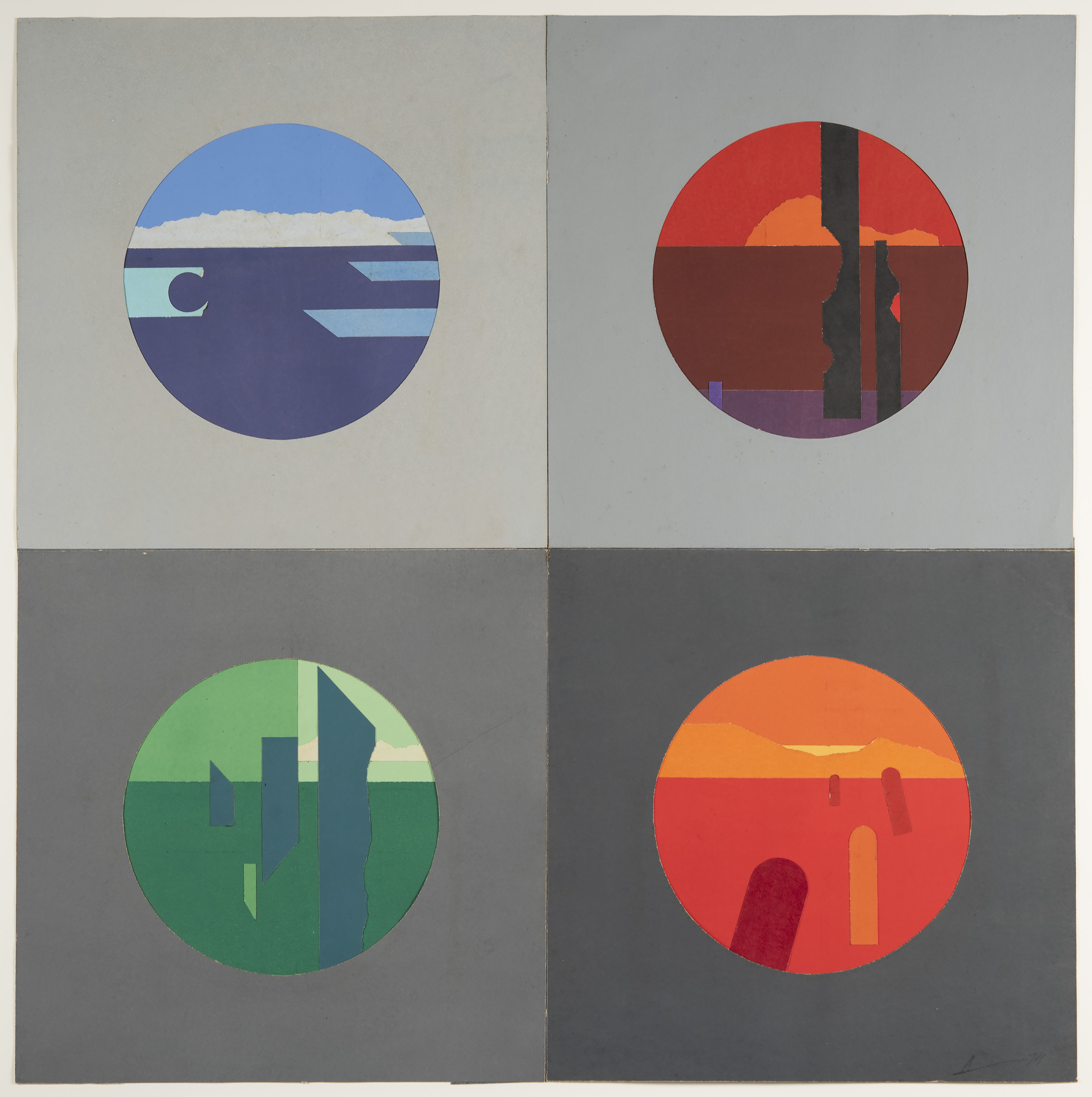
Earth Modules, 1974. Paper collage on paper, 85.3 x 85 cm (33 9/16 x 33 7/16 in.). Norton and Nancy Dodge Collection of Nonconformist Art from the Soviet Union. 2013.006.008
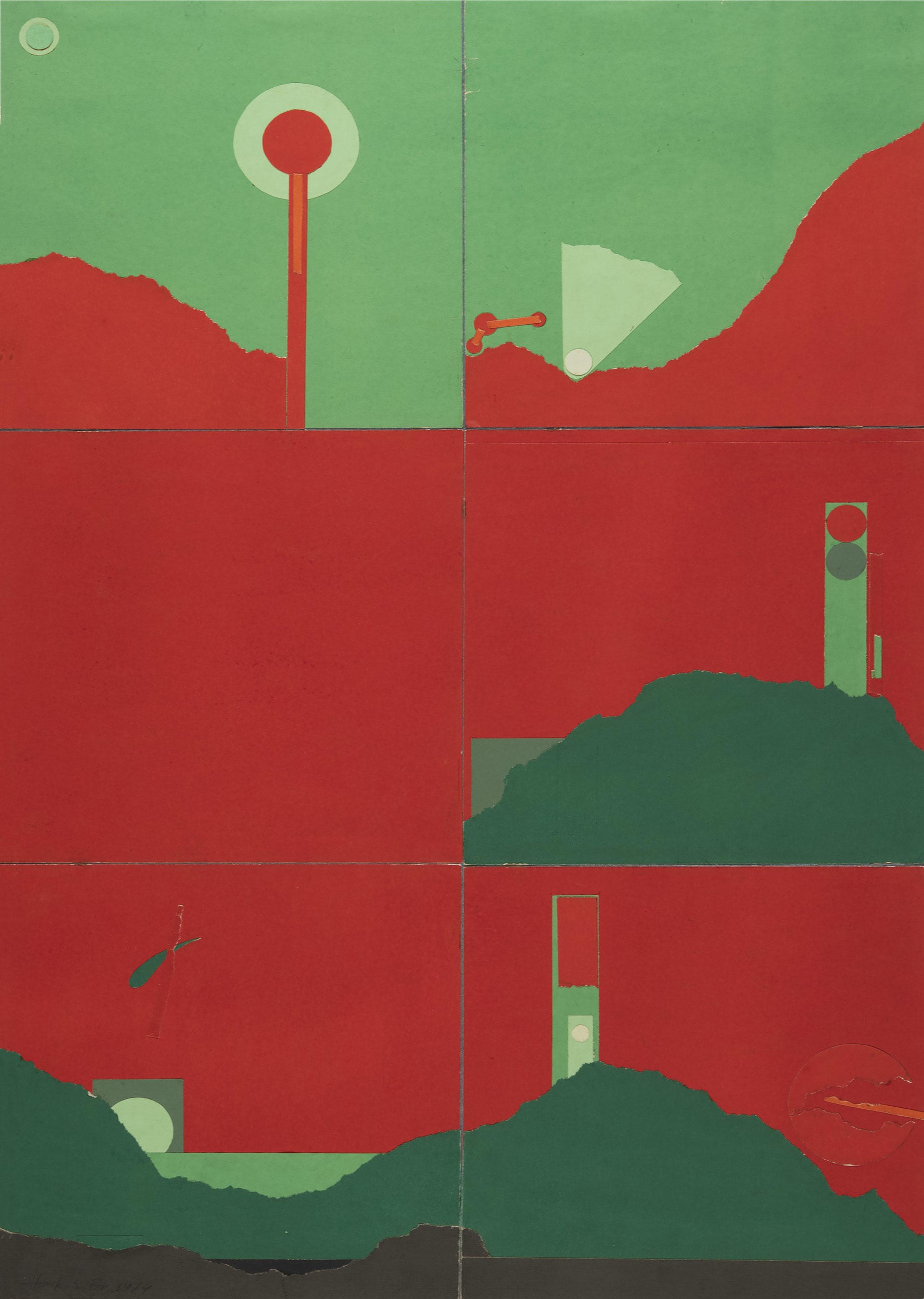
Red-Green Modules, 1974. Paper collage on paper, 90.1 x 59.8 cm (35 1/2 x 23 9/16 in.). Norton and Nancy Dodge Collection of Nonconformist Art from the Soviet Union. 2013.006.009
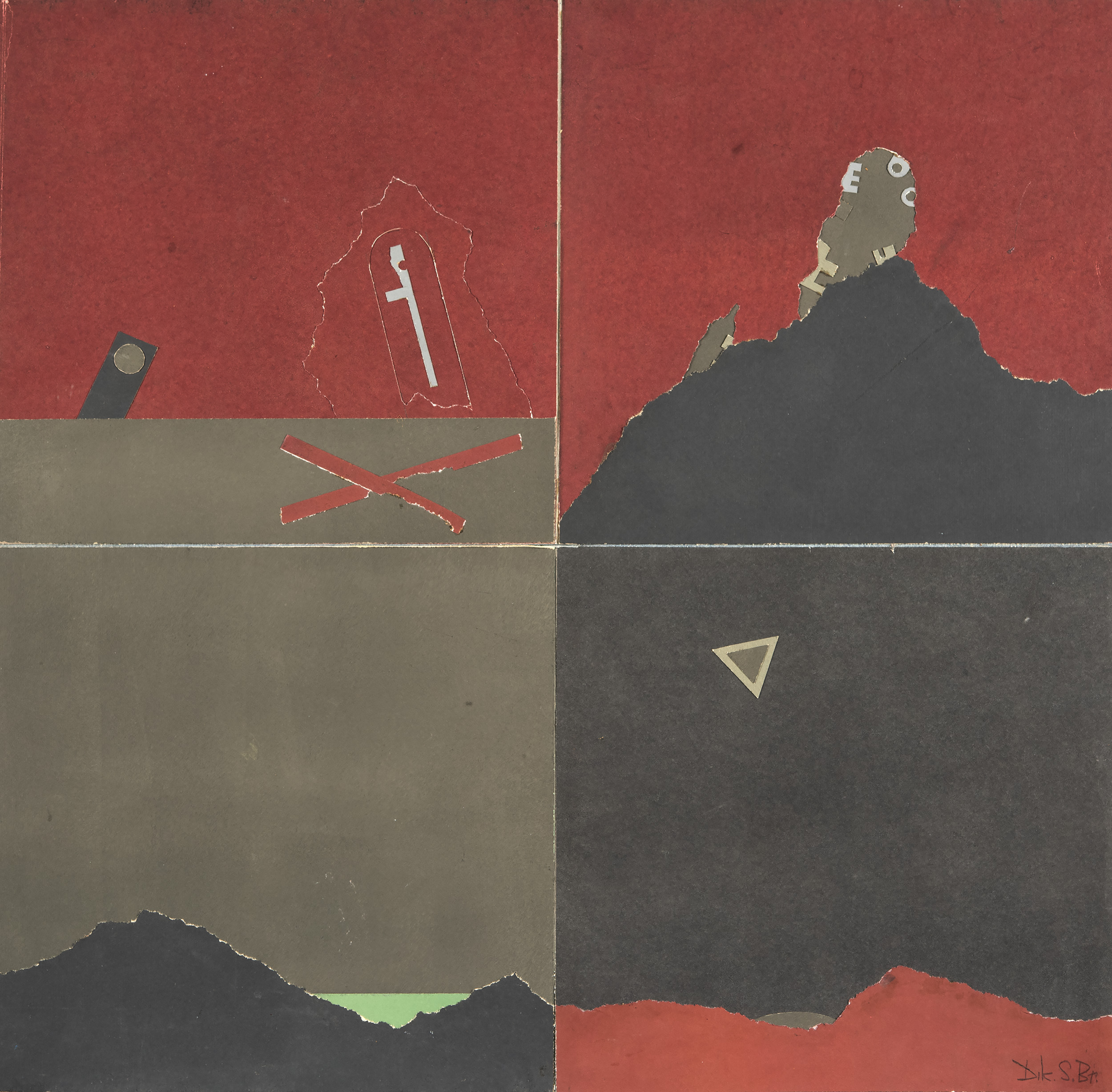
Dark Modules, 1974. Paper collage on paper, 60 x 59.9 cm (23 5/8 x 23 9/16 in.). Norton and Nancy Dodge Collection of Nonconformist Art from the Soviet Union. 2013.006.010
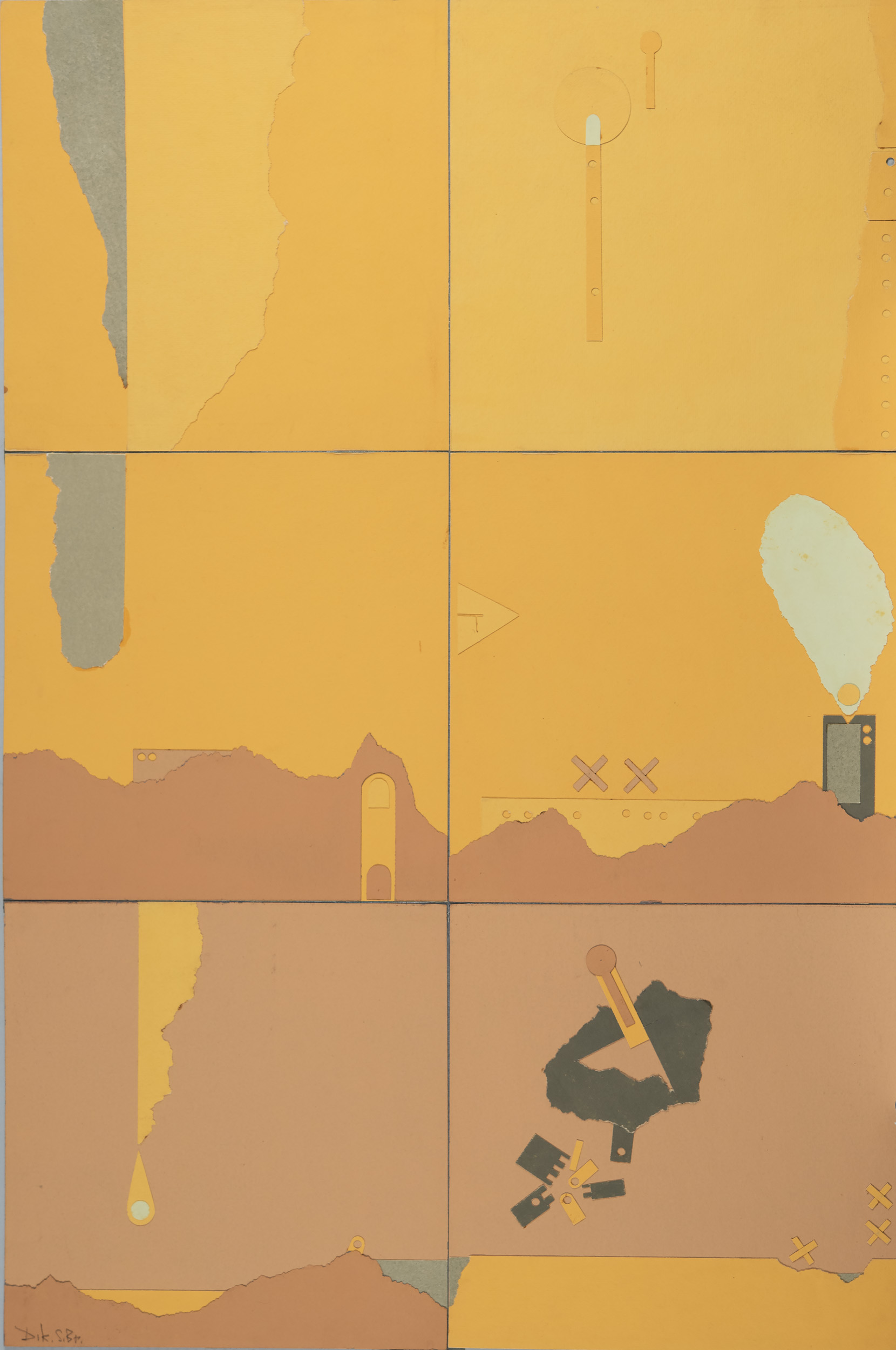
Yellow Modules, 1974. Paper collage on paper, 89.9 x 59.8 cm (35 3/8 x 23 9/16 in.). Norton and Nancy Dodge Collection of Nonconformist Art from the Soviet Union. 2013.006.011
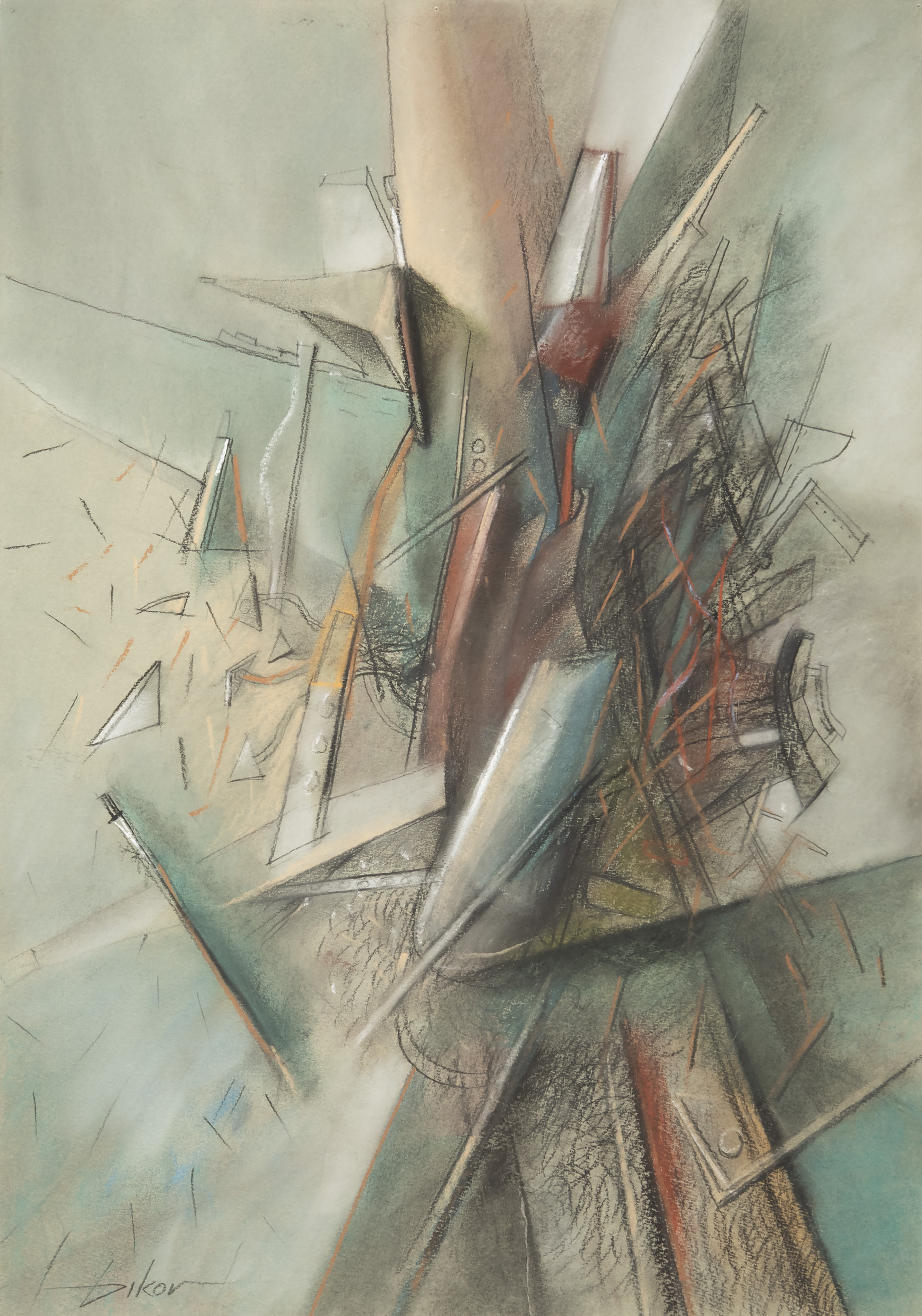
Untitled, 1983. Pastel on paper, 57.6 × 42.7 cm (22 11/16 × 16 13/16 in.). Norton and Nancy Dodge Collection of Nonconformist Art from the Soviet Union. D10981
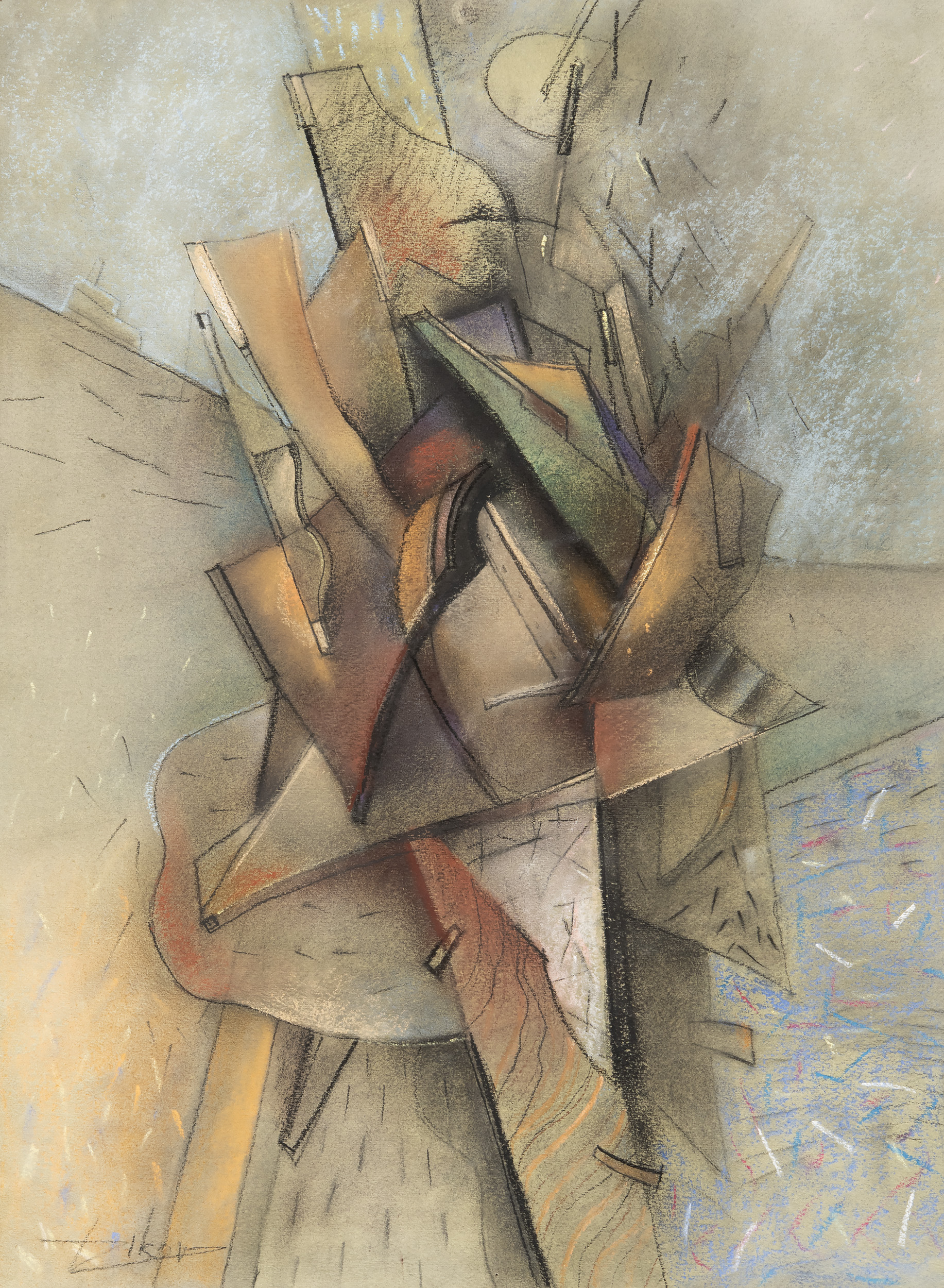
Untitled, 1984. Pastel on paper, 60.5 × 42.6 cm (23 13/16 × 16 3/4 in.). Norton and Nancy Dodge Collection of Nonconformist Art from the Soviet Union. D10982
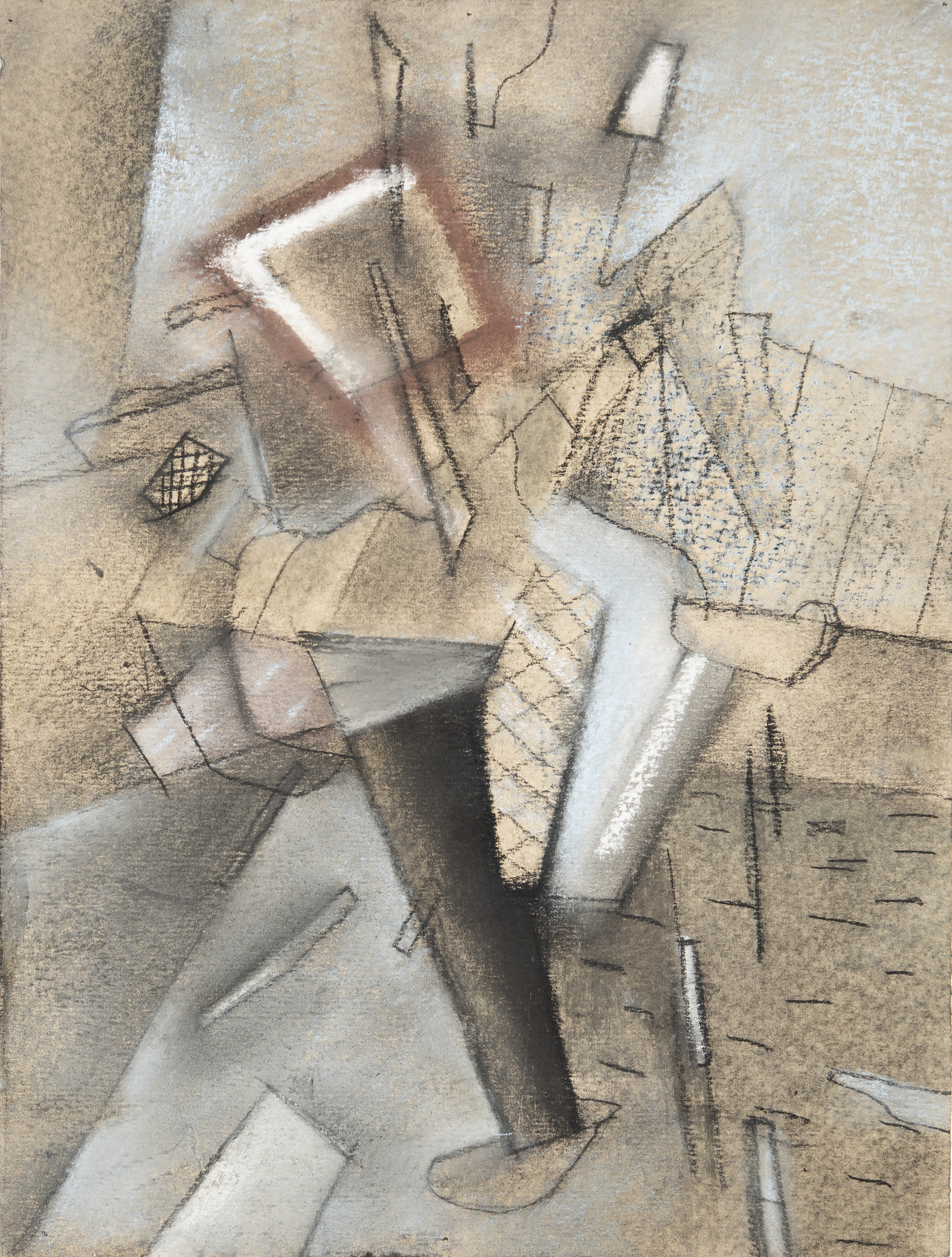
Untitled, 1975. Pastel on paper, 36.2 × 28.5 cm (14 1/4 × 11 1/4 in.). Norton and Nancy Dodge Collection of Nonconformist Art from the Soviet Union. D10983
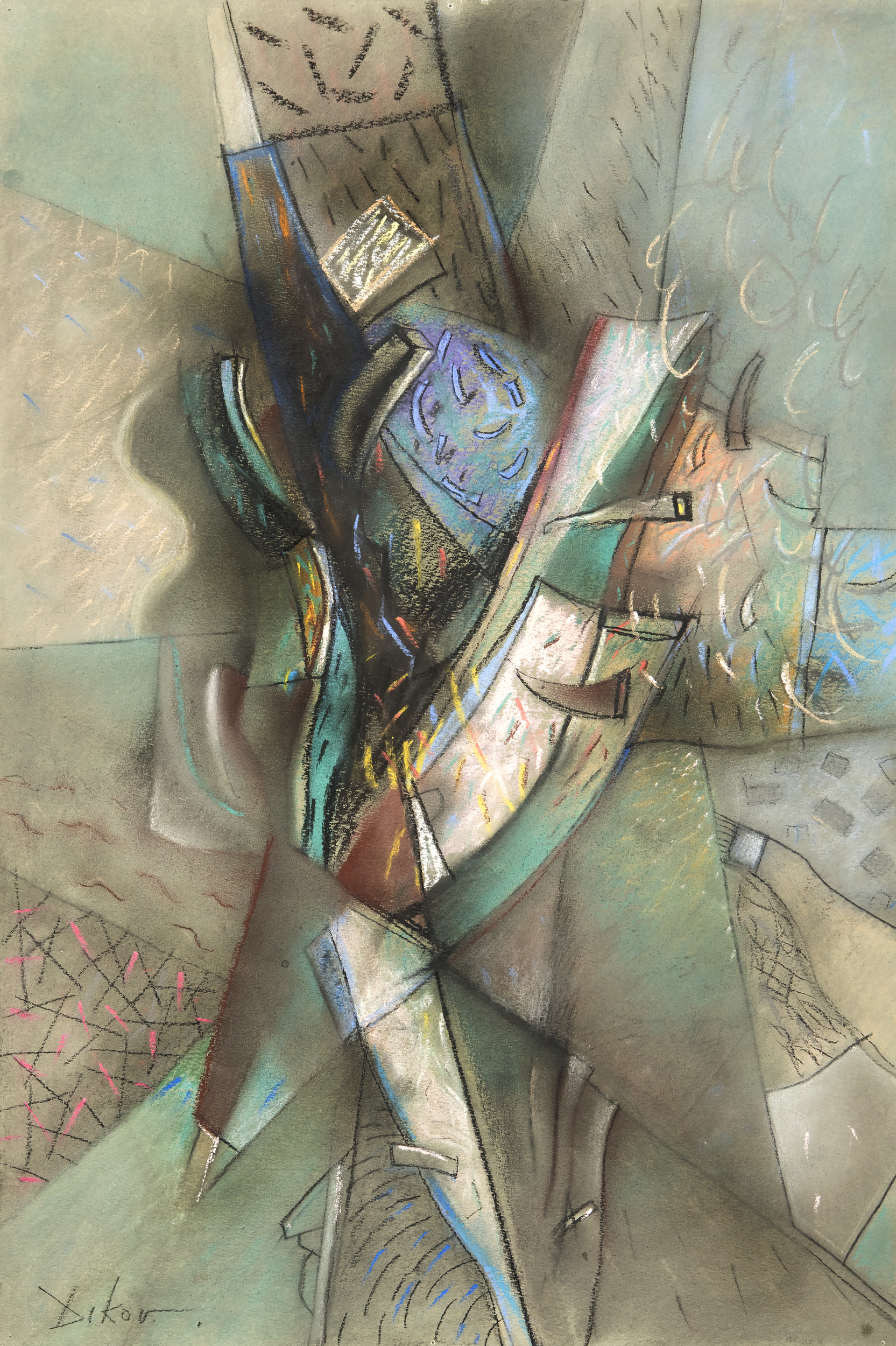
Untitled, 1985. Pastel on paper, 60.3 × 40 cm (23 3/4 × 15 3/4 in.). Norton and Nancy Dodge Collection of Nonconformist Art from the Soviet Union. D15716
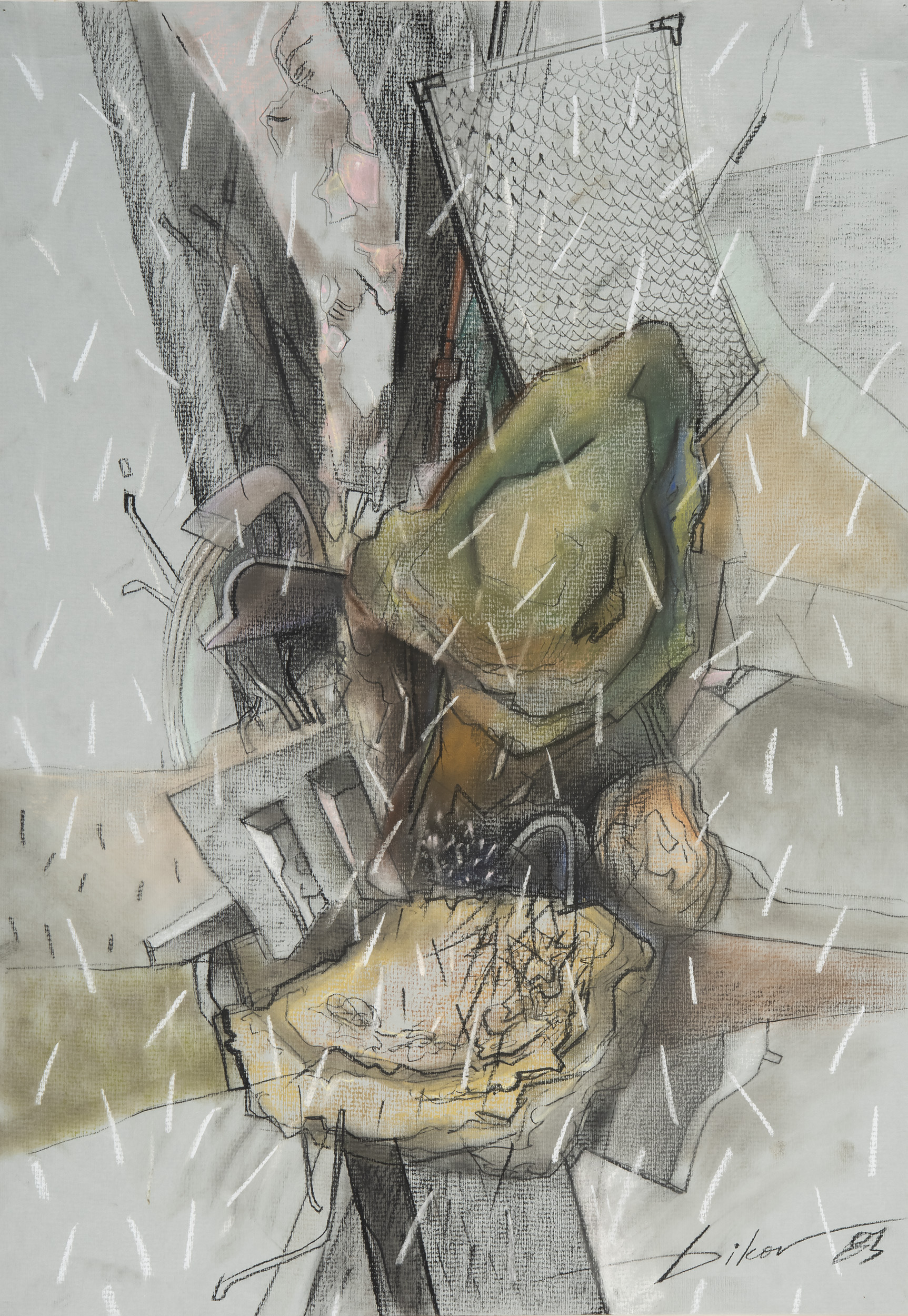
Untitled, 1983. Pastel and graphite on paper, 64.1 × 45 cm (25 1/4 × 17 11/16 in.). Norton and Nancy Dodge Collection of Nonconformist Art from the Soviet Union. D15717
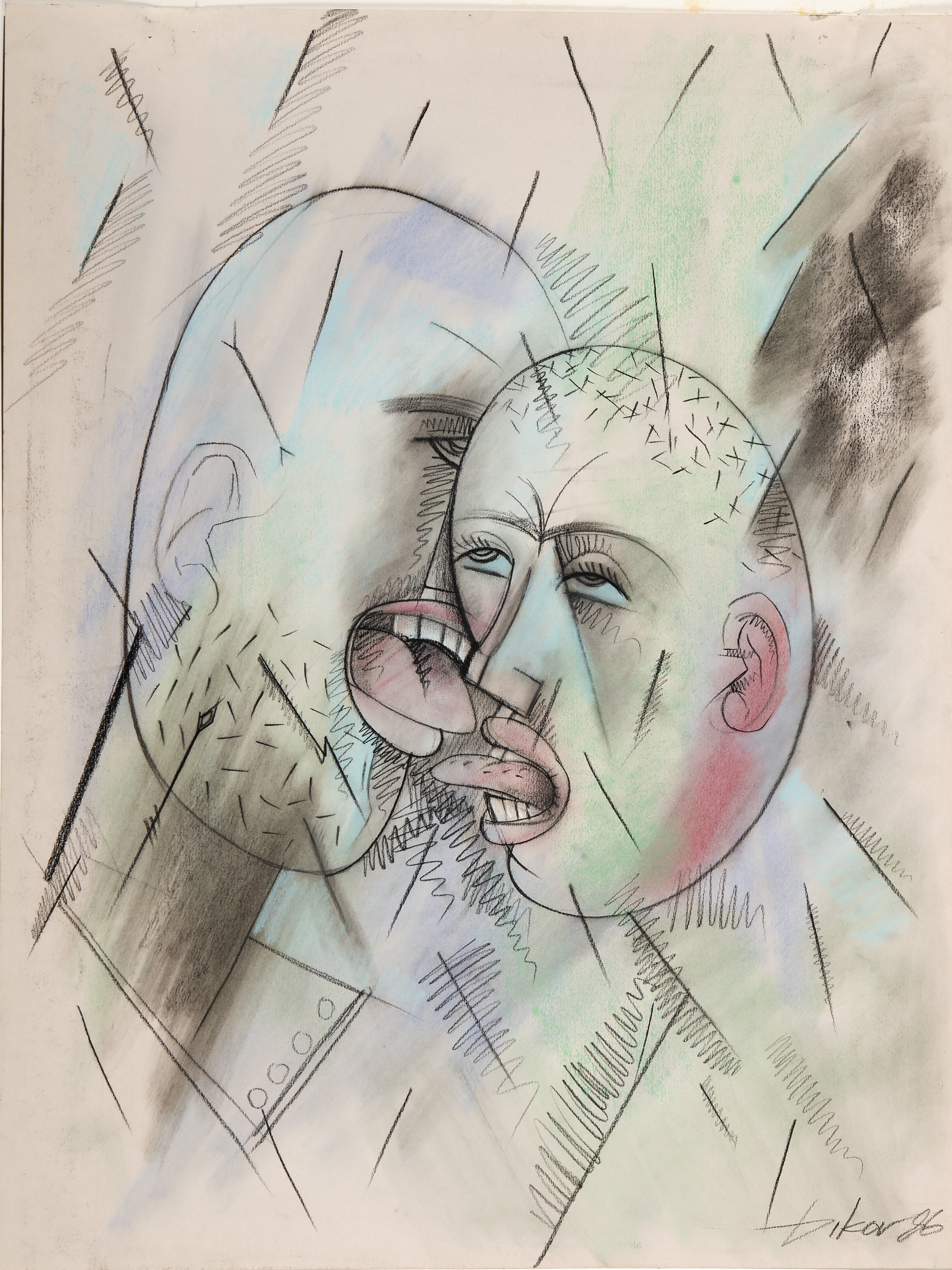
Untitled, 1986. Pastel on paper, 65.1 × 50.2 cm (25 5/8 × 19 3/4 in.). Norton and Nancy Dodge Collection of Nonconformist Art from the Soviet Union. D15718
Selected Exhibitions
1987–88 Open exhibitions of nonconformist artists, Palais-Royal garden, Odesa, Ukraine
1992 Dom 100, Beliaevo Exhibition Space, Moscow, Russia
1993 Aqua Vita, Museum of Modern Art (TIRS), Odesa, Ukraine
1993 Eco d’arte moderna, Candelaio Gallery, Florence, Italy (solo)
1994 Moskovalaiset Taiteilijat, Arktinen Gallery, Finland (solo)
1994 Yuriy Dikov: Pastels, Oulu Art Museum, Finland (solo)
1996 Inverted Perspective, Eighth-Floor Gallery, New York, USA
2014–15 Odessa’s Second Avant-Garde: City and Myth, Zimmerli Art Museum, New Brunswick, New Jersey, USA
2020 Restoration, MORA Museum of International Art, Jersey City, New Jersey, USA (solo)
2024 The Good, the Bad and the Art, MORA Museum of International Art, Jersey City, New Jersey, USA
Selected Publications
Chiarini, Bruno. “Iuri Dikov: Dai maestri russi con nuove soluzioni” [From Russian masters with new solutions]. Eco d’arte moderna 91 (1993).
Egorov, Oleg. “Feniksy sletelis na Arbat” [Phoenixes flew to Arbat]. Moskovsky Komsomolets, September 1994.
Heikkilä, Ulla-Maija. Hyvän tekijät [The creators of good]. Suomenmaa Keskiviikko, September 11, 1994.
Katkova, Mariya. “Sakralnaya territorialnost–Beliaevo, dom 100” [Sacral territoriality–Beliaevo, Dom 100]. Moskovskii khudozhnik 36, no. 1420 (1992).
Plavinskaya, Elizaveta. “Dezinkarnatsiya”: Gruppovaya vystavka v galeree A3 [“Dis-incarnation”: Group show at the gallery A3]. Segodnya, September 1994.
See also