
Peeter Linnap
1960 — Tallinn (Estonia). Lives and works in Tallinn and Tartu (Estonia)
Peeter Linnap was born in Tallinn and graduated in the early 1980s from Tallinn Pedagogical University as a librarian, with Estonian prewar photography as his field of specialization. An avid researcher even as a student, Linnap soon established himself as both a photographer and a writer on various photographic phenomena. Although he himself has claimed that he has never been nor will ever be a photographer, he uses cameras as tools to create meanings. In 1986 Linnap had his first photography exhibition, which was followed by several others. The exhibitions, which featured his series titled Nameless Landscapes, Night Landscapes, and Concealed Landscapes, focused on the theme of the “landscape,” which in the 1980s had a significant role in Estonian photography.
Linnap has described the approach of Estonian photographers as topophilia—a special emotional relationship between human beings and places. In describing the state of Estonian photography of the 1980s, he borrows a quote from the French philosopher Gaston Bachelard (1884–1962): “Space and places don’t need to be analyzed, but loved.” [1]
According to Linnap, photographers used images of nature but at the same time removed themselves from natural motifs, unleashing “natural forces right on the photo paper.” [2] They were no longer interested in realistic landscapes but rather in creating their own small, autonomous, picturesque universes in order to discover “the independent identity of poetical images.” [3] Outdoor scenes were replaced with indoor scenes and plant motifs.
Linnap’s early series offer a unique point of view. The Concealed Landscapes series (1988–90) was also shown in Finland, Denmark, and the Netherlands, and it was published frequently, launching the artist’s international career. Depicted is an abandoned Soviet rocket base in Kullenga, Estonia, which operated between 1960 and 1970 before being closed down in 1978. By the time Linnap visited it, this formerly restricted zone had become a mixture of the poetic and the political, combining traces of the Soviet occupation with the poetry of abandonment and the brutality of human intervention. In works from the series (such as ZAM D16504), Linnap shows us different geometrical forms in dialogue. See, for example, work D16504, which resembles geometric abstraction; although the image is black and white, the artist puts emphasis on color details.
In subsequent years old abandoned military objects became popular motifs, but Linnap was one of the first to use the former forbidden territories as an aesthetic resource. For Estonian audiences, those photos had multiple layers of meaning, evoking not only a sense of beauty but also fear and a feeling of danger. The photos themselves formed a certain border zone between the past, the present, and an unpredictable future: Although Linnap depicts locations abandoned by Soviet troops decades prior, Soviet troops were still very present in Estonia, and it was unknown then if they would ever leave. Linnap himself has described the series as being about secret geographical and psychological venues that needed to be discovered.
Shortly before the Concealed Landscape series, Linnap and Peeter Laurits described the then-current practices of the new generation of photographers in an influential article: “The fresh and lively photography of today, being based on the modernism of the previous turn of the century, is neoromantically self-centered and inclined to freedom. First of all, we notice the abundance of nature motifs, discrete stylization, broadening of the symbolical plane, and the refined sense of beauty.” [4] Linnap’s series were created both in accordance with this statement and in contrast to it. His topographical choices introduce political overtones that cannot be overlooked, especially because the artist has emphasized not only poetic elements in space but also elements that refer to the vulgarity of “the Soviet person,” an individual who pays no attention to his surroundings. Another semiotic twist is therefore implemented, however, as the series itself is most tender and sensitive toward the location, despite the traces of those who use their surroundings for only their own benefit.
Soon after Concealed Landscapes, Linnap attained recognition as the most influential photo theorist in Estonia and was appointed to head the photography department at the Estonian Academy of Arts. The department was the birthplace of a new generation of conceptual photographers, who were influenced by not only Linnap’s teaching but also his curatorial activity. Linnap became the most prominent Estonian photography curator of the 1990s, and his exhibitions attracted international attention and brought about a new wave in photography, sharply contrasting with previous endeavors. Before then, Estonian photography was concentrated on either slightly poetic images of everyday life, impressionistic renderings of nature and its beauty, and the human body (especially female nudes) and its symbolic and aesthetic value. Now photographers were dealing with such subjects as memory, power, politics, space, and the body as a tool for researching identity or psychological tensions.
All this time, Linnap continued to work as a photo artist. His often ironic works investigated the role of a picture, Estonian history, identity, and the Estonian art world. Linnap himself called them “Estonian studies,” titling his 1994 exhibition in Berlin Estonian Studies I and his 1996 exhibition in Minneapolis Estonian Studies II.
In more recent decades, Linnap has been a professor and head of the photography department at the Pallas University of Applied Sciences in Tartu. He has written monographs about Estonian photography, photography in general, and the morphology of Estonian photography.
Eero Epner
Photo portrait: Peeter Linnap, 2000. Photo by Kalju Suur. Art Museum of Estonia. EKMj55162FK452
Notes:
1. Peeter Linnap, “Aadressist Eesti Fotograafias” [About the Address in Estonian Photography], in Virve Sarapik, Kadri Tüür and Mari Laanemets, eds. Koht ja Paik 2/Place and Location II. (Tallinn: Estonian Art Academy, 2002), 248.
2. Ibid.
3. Ibid.
4. Peeter Laurits and Peeter Linnap, “Fin de siecle Eesti fotos,” Vikerkaar, no. 4 (1987): 63–68.
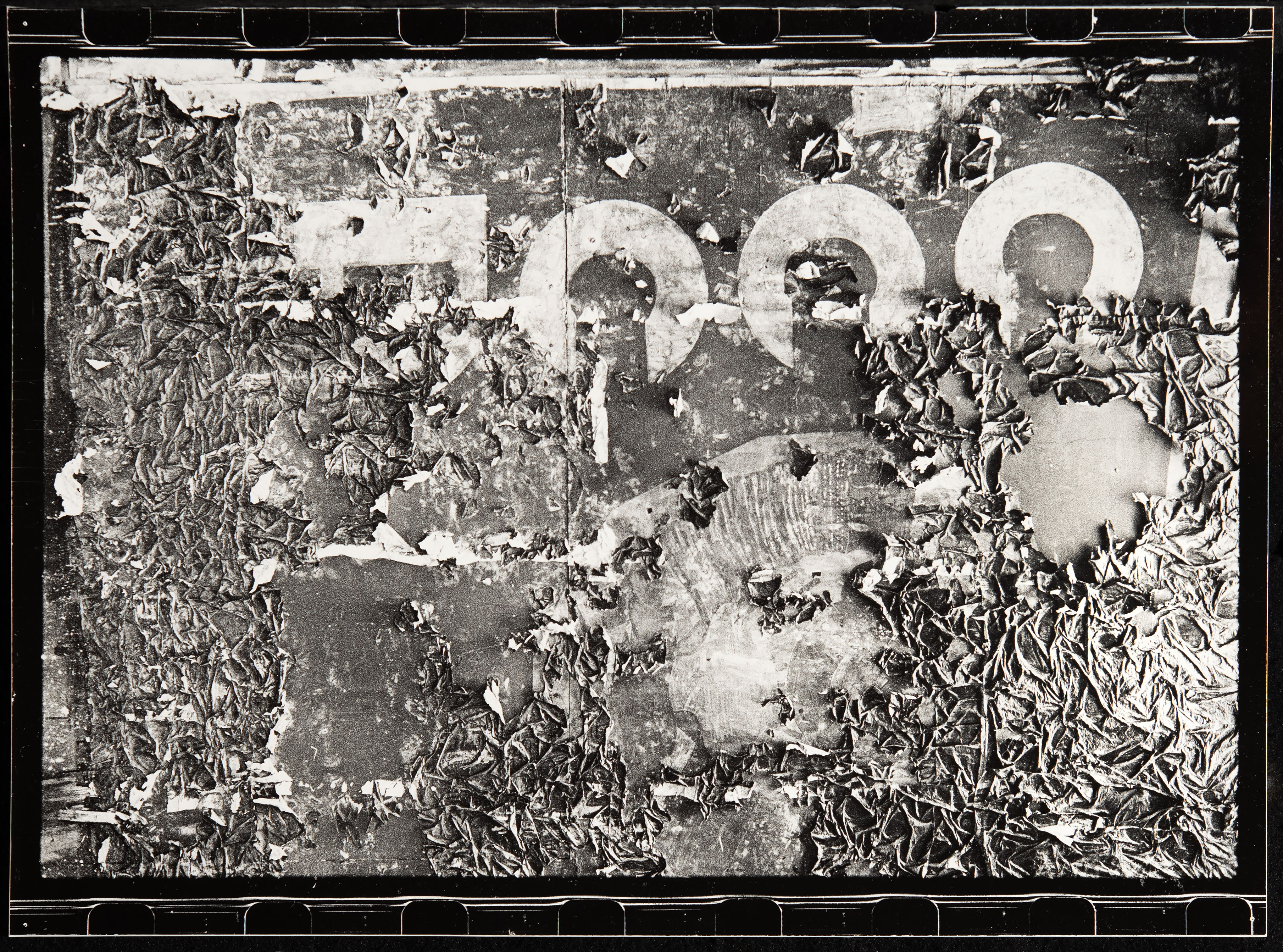
Untitled, undated. Photograph on paper mounted on plastic, 54.9 × 40 cm (21 5/8 × 15 3/4 in.). Norton and Nancy Dodge Collection of Nonconformist Art from the Soviet Union. D16501
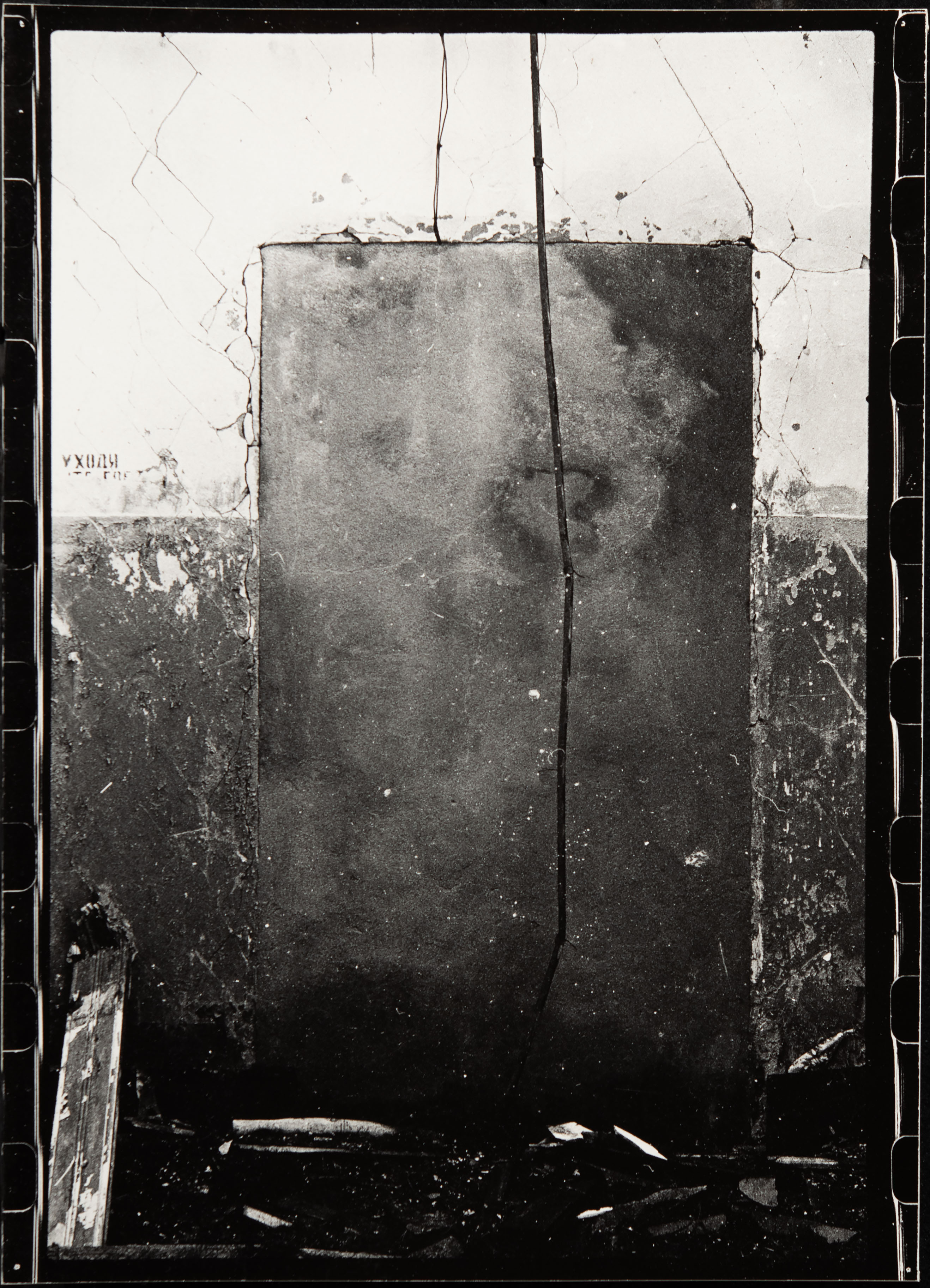
Untitled, undated. Photograph on paper mounted on plastic, 54 × 39.7 cm (21 1/4 × 15 5/8 in.). Norton and Nancy Dodge Collection of Nonconformist Art from the Soviet Union. D16502
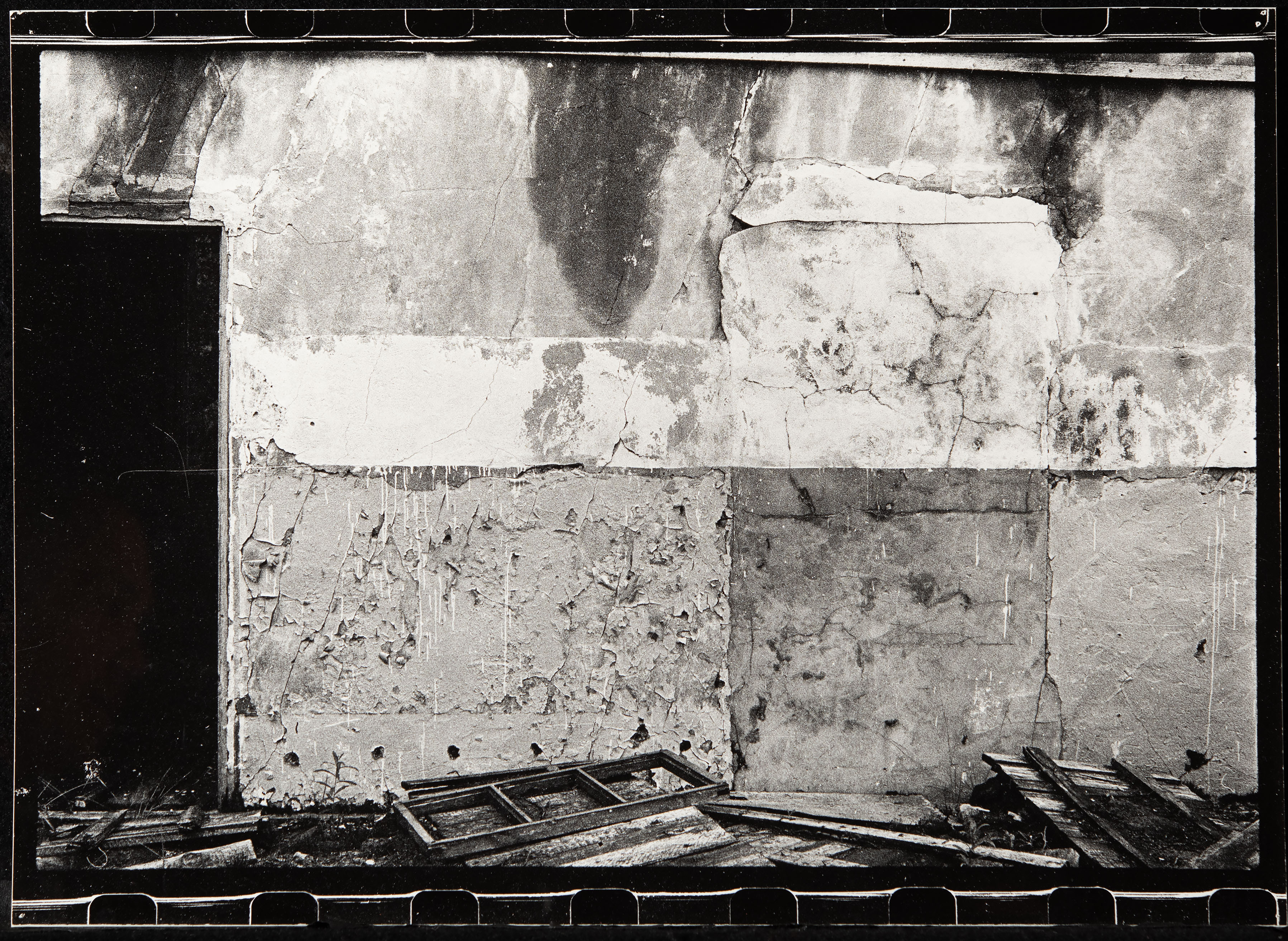
Untitled, undated. Photograph on paper mounted on plastic, 39.7 × 54.4 cm (15 5/8 × 21 7/16 in.). Norton and Nancy Dodge Collection of Nonconformist Art from the Soviet Union. D16503
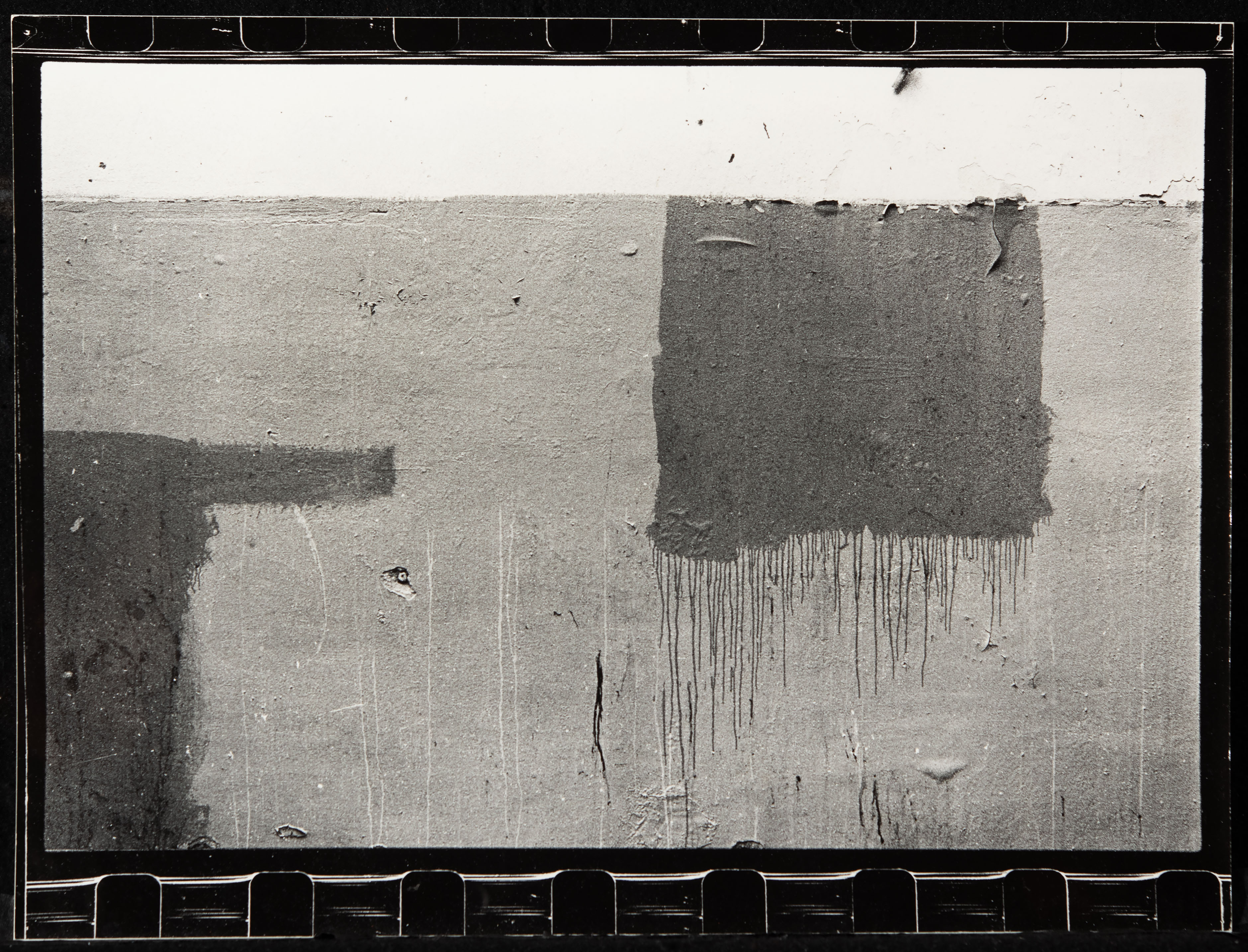
Untitled, undated. Photograph on paper mounted on plastic, 41.2 × 54.9 cm (16 1/4 × 21 5/8 in.). Norton and Nancy Dodge Collection of Nonconformist Art from the Soviet Union. D16504
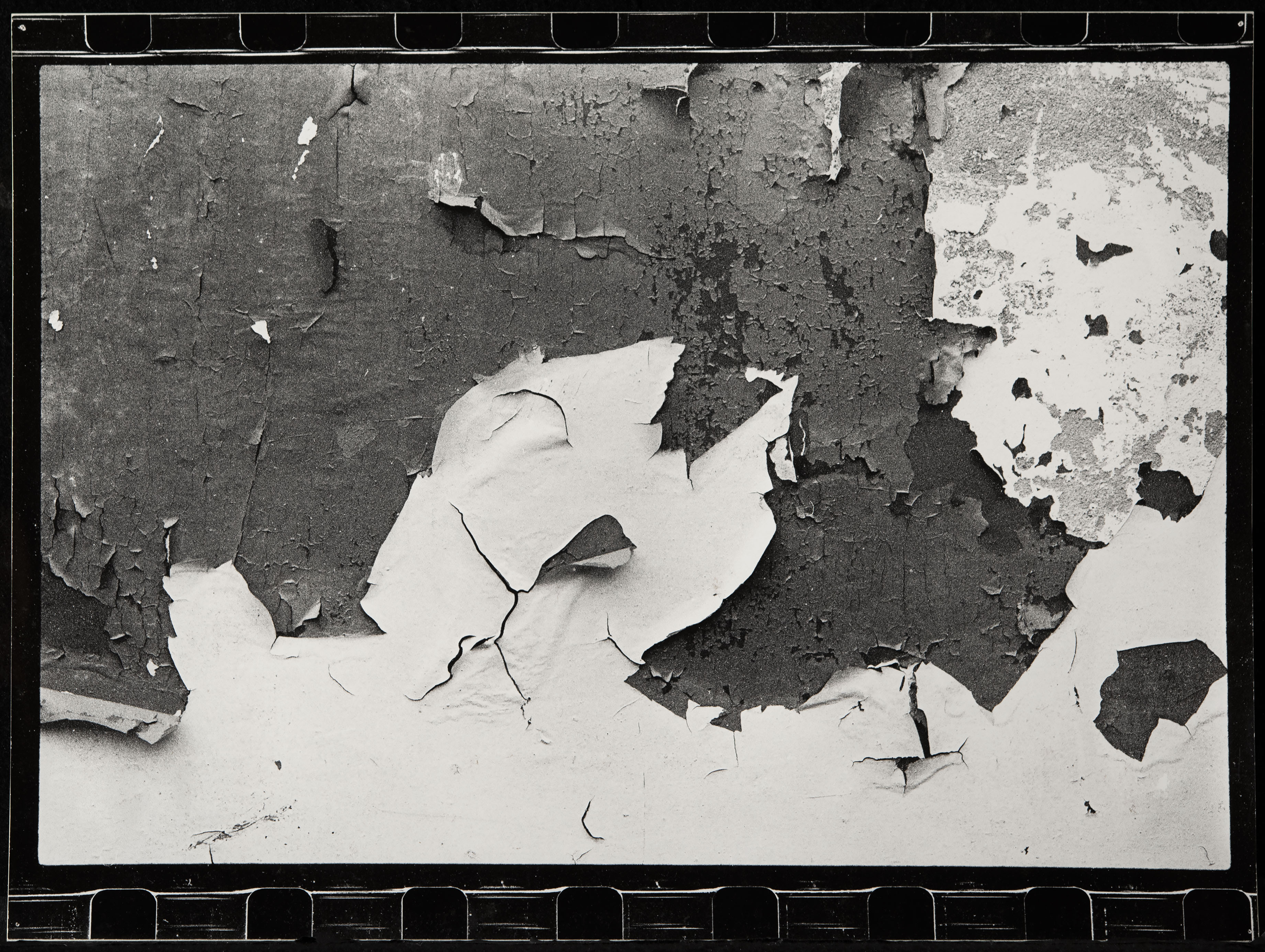
Untitled, from the series Concealed Landscapes, 1988–90. Gelatin silver print on paper mounted on plastic board, 40.8 × 54.5 cm (16 1/16 × 21 7/16 in.). Norton and Nancy Dodge Collection of Nonconformist Art from the Soviet Union. D16569
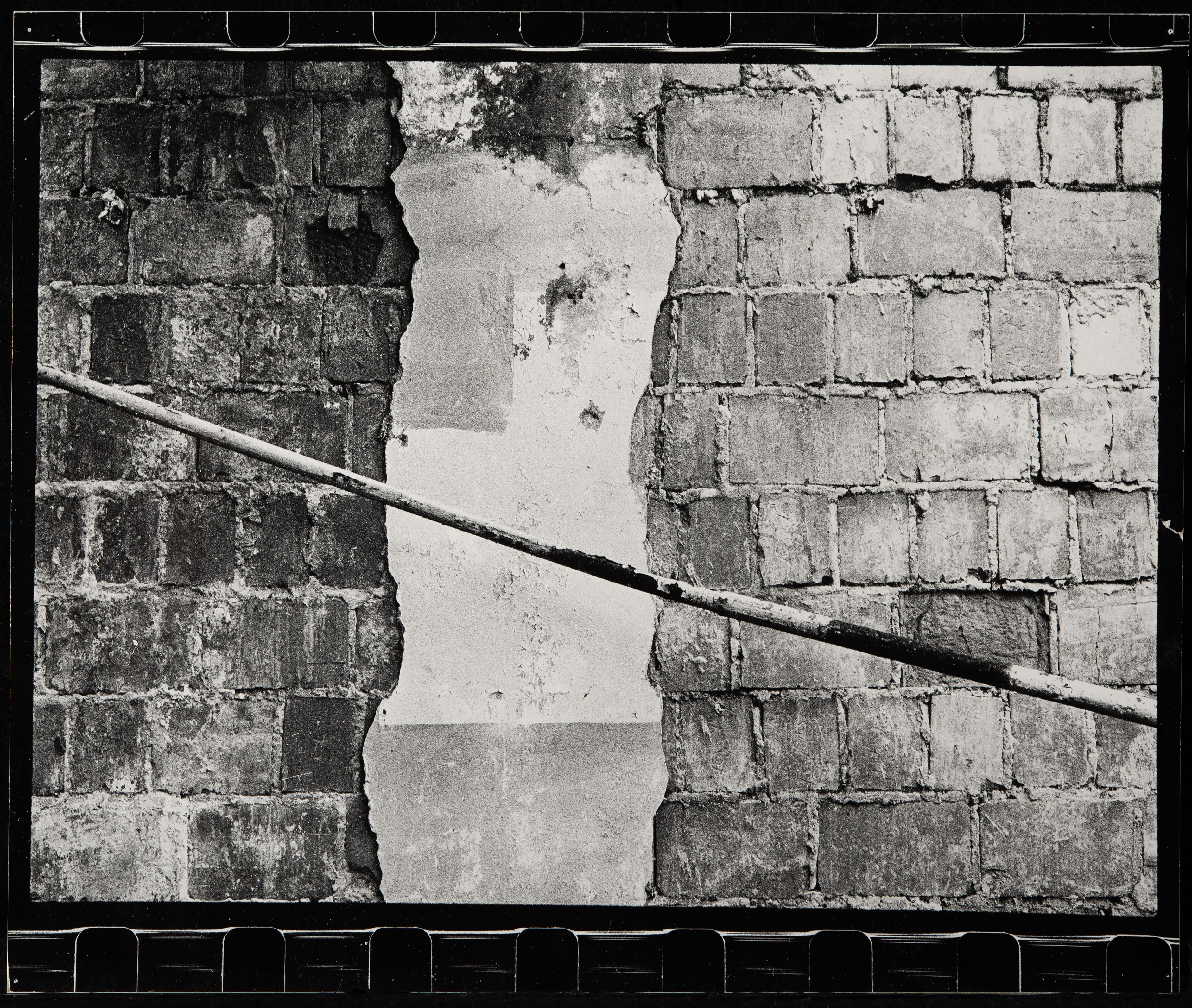
Untitled, from the series Concealed Landscapes, 1988–90. Gelatin silver print on paper mounted on plastic board, 41 × 54.3 cm (16 1/8 × 21 3/8 in.). Norton and Nancy Dodge Collection of Nonconformist Art from the Soviet Union. D16570
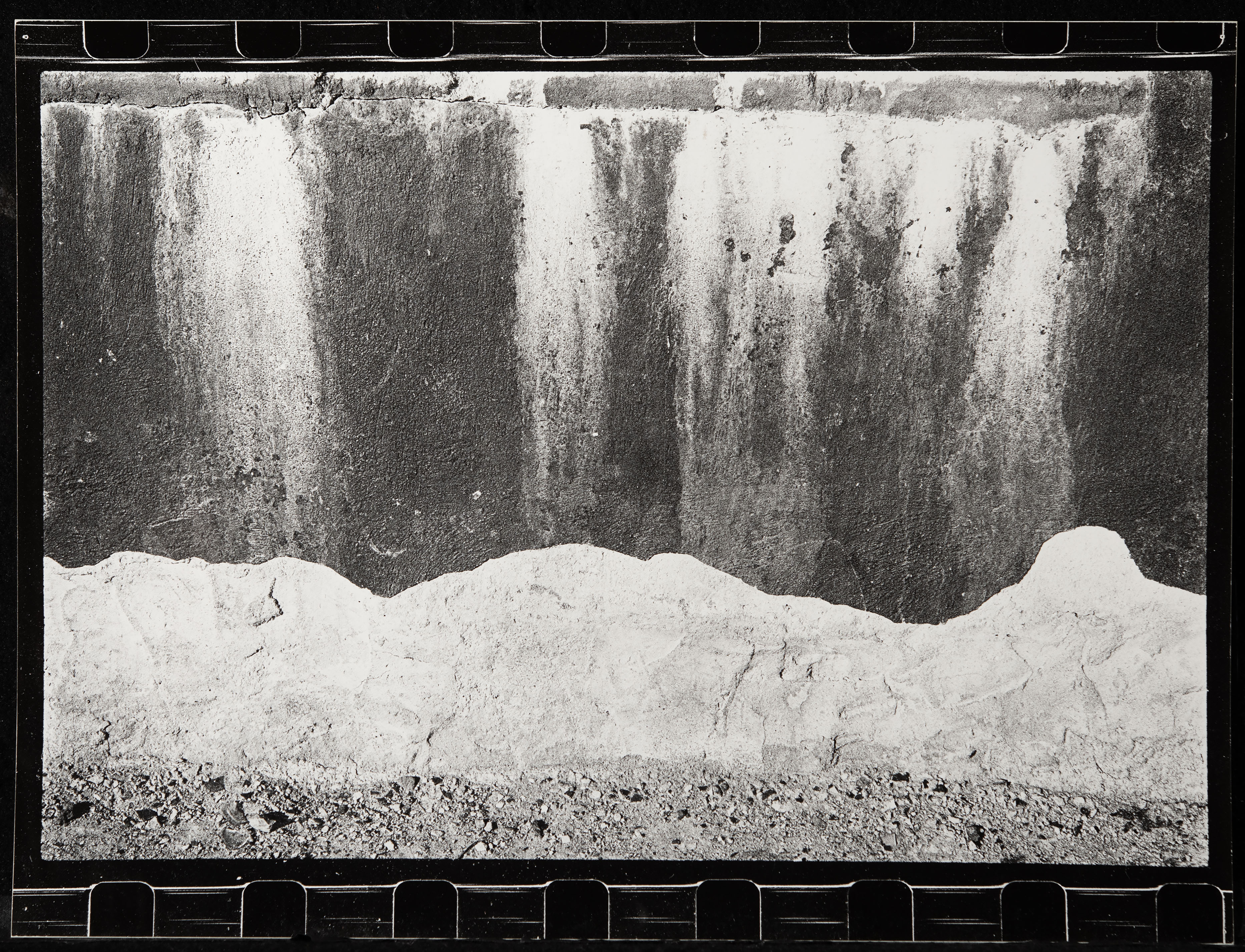
Untitled, from the series Concealed Landscapes, 1988–90. Gelatin silver print on paper mounted on plastic board, 41 × 54.5 cm (16 1/8 × 21 7/16 in.). Norton and Nancy Dodge Collection of Nonconformist Art from the Soviet Union. D16571
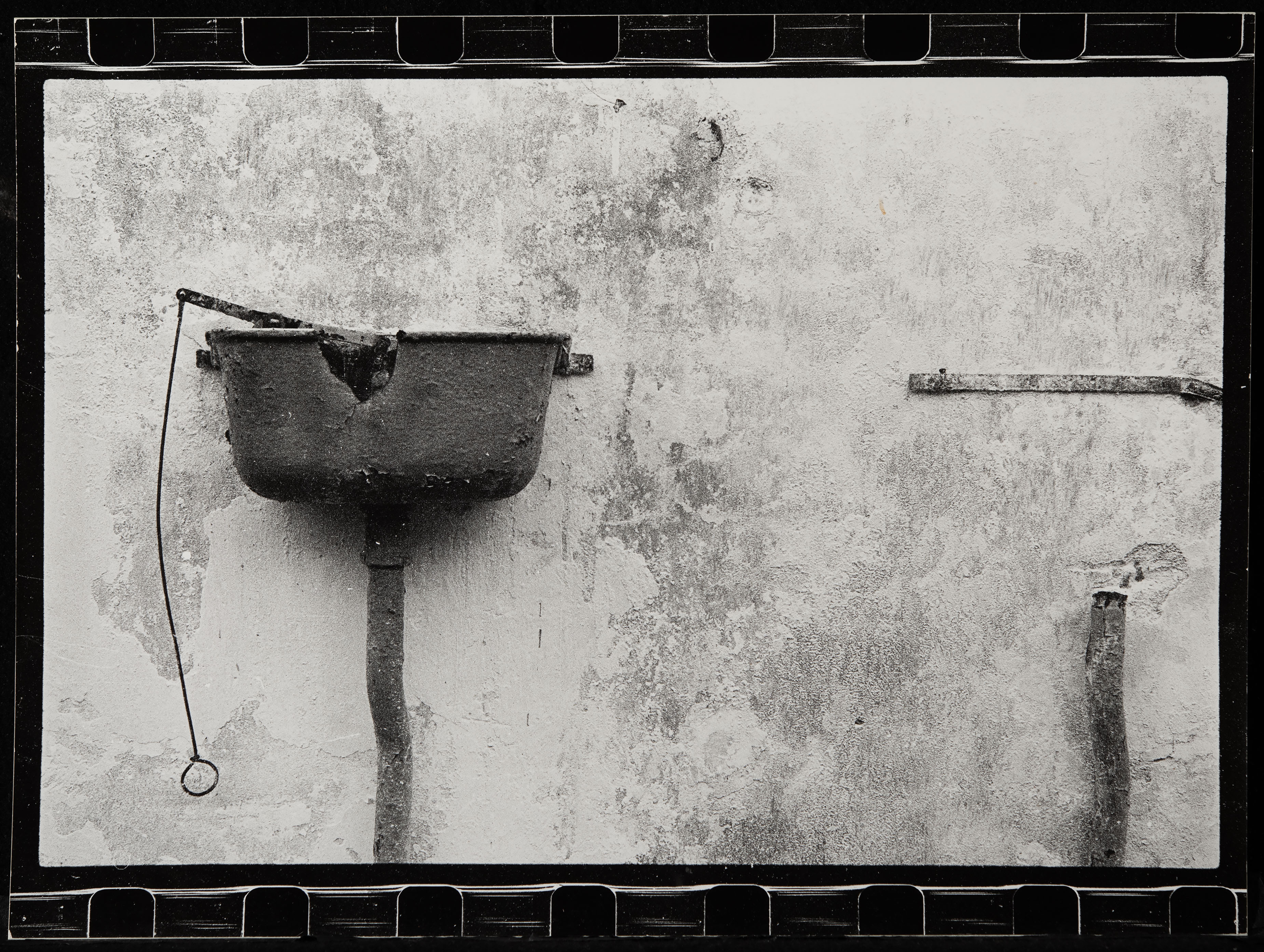
Untitled, from the series Concealed Landscapes, 1988–90. Gelatin silver print on paper mounted on plastic board, 41.2 × 54.6 cm (16 1/4 × 21 1/2 in.). Norton and Nancy Dodge Collection of Nonconformist Art from the Soviet Union. D16572