

Nadezhda Stolpovskaya
1959 — Moscow (Russia). Worked in Moscow (Russia), Cologne (Germany); currently works in Cologne
Nadezhda Stolpovskaya graduated from Middle Art School No. 50 at the Moscow Architectural Institute, but what truly shaped her as an artist—particularly in her conceptual approach—was her education under the artist and book illustrator Ekaterina Arnold from 1968 to 1977. Arnold, a member of the underground art circle, was known for her expressive yet precise graphic style. Stolpovskaya first studied in Arnold’s art studio at Moscow State University before continuing with private lessons. With only a ten-year age difference between them, their student-master relationship gradually evolved into a dialogue, enriched by their shared interest in contemporary Western art. Arnold and her husband, sots art pioneer Alexander Melamid, had a collection of foreign literature on Western contemporary art, including ArtForum magazines. Stolpovskaya’s knowledge of English enabled her not only to read these materials but also to translate key texts and distribute her typewritten translations among fellow artists. Notably, she was the first to translate Joseph Kosuth’s Art After Philosophy in 1979, as well as the entire book Environment and Happenings by Adrian Henri (originally published in 1974). In the Soviet context of cultural censorship, such materials were invaluable, offering rare and essential insights into contemporary art movements beyond the reach of the socialist state.
It was through Arnold and Melamid that Stolpovskaya met the young underground artists who later became known as the Moscow Conceptualists, including her future husband, Yuri Albert, as well as Vitaly Komar, Viktor Skersis, Gennadii Donskoi, and Mikhail Roshal. She created her first conceptual artworks in 1977 and began participating in exhibitions of unofficial art the following year. Before emigrating, Arnold entrusted her teaching practice to Stolpovskaya, who continued it until her own emigration in 1990. To meet the Soviet state’s employment requirements, Stolpovskaya worked in various short-term and part-time jobs throughout 1970s and ’80s—as an artist and designer at a souvenir and gift toy factory, a cleaning woman at the Pushkin Museum of Fine Arts, and a night guard, to name a few—all while continuing to produce her own art in her free time.
From her earliest projects, Stolpovskaya has used paper as her primary material, treating it not only as a surface for imagery but as something to be folded, cut, glued, layered, and paged through. By embracing its tactile and structural properties, she has created artworks that invite audience interaction, continuously reshaping the viewer’s perception and engagement. In one of her first objects, Peeling an Orange (1977), an abstract, anthropologically evocative figure emerges as one unfolds a large paper booklet (approximately 2 x 2 feet closed, expanding to nearly 5 x 5 feet open). The interactive piece, according to the artist, is inspired by the act of peeling an orange. Yet the gesture becomes completely defamiliarized through the sheer scale of the work, the fragility of the material, its angular geometry, and a delicate monochrome hatching. As a result of this interaction, the viewer is drawn into a miraculous and somewhat comic encounter with one’s own kind, encapsulated within the fruit (otherwise artwork). Humor in Stolpovskaya’s works is an important engaging principle, one that echoes child’s play as a fundamental way of making sense of the world.
In A Poem by Pasternak (1978), the viewer is invited to open an envelope and retrieve an enormous piece of tissue paper—approximately 8 x 5 feet. As they carefully unfold the delicate, cloudlike object, a small typewritten text gradually emerges at its center: a poem by Boris Pasternak about the emergence of poetic meaning. Stolpovskaya’s works often establish a poetic resonance between everyday actions and ephemeral artistic gestures—be they projects directly engaging with poetry, or other series, such as landscapes, food series, and portraits. Her Archaeological Excavation (1983), inspired by her childhood experiences on archaeological digs, extends the metaphor of deep exploration, framing artistic practice as an act of acute, immersive observation—both serious and playful, poetic and profound. In Cake (1978), a collage from the Meal Series, our gaze moves across a vast field of emptiness and colorful geometric forms until a shape resembling a cake finally emerges, as if alluding to Malevich’s abstractions materialized in daily routines.
While paper was commonly used by Moscow Conceptualists—given its greater availability compared to other art supplies in the context of Soviet scarcity—it typically played a subsidiary, documentary, or otherwise supporting role. Even more rarely were paper works intended for interaction, because of the material’s fragility. Stolpovskaya, however, has treated paper deterioration not as a drawback but as an integral part of the work, with wear and tear manifesting the engagement central to her art. When the original object decomposes to the point that it no longer engages the viewer, she creates a copy, assigning authenticity to the interactive process rather than the material object itself.
Further challenging conventional artistic frameworks, Stolpovskaya engaged in several collaborative projects. In 1982–83, she worked with Vadim Zakharov to examine the concept of coauthorship—an important theme among Moscow Conceptualists. Through an exchange of tasks, instructions, and intuitive responses, they produced a series of artworks, developing three coauthorship models: sequential, parallel, and hypothetical. In 1987, Stolpovskaya joined KLAVA (Club of Avant-Garde Artists) and Creative Association Hermitage, collaborating on both groups’ innovative exhibition projects. In her recent project, Notice Something (2023), created for a collaborative exhibition at Hunter College (City University of New York), Stolpovskaya instructed a group of students to “notice something” and depict it in an unusual way. The task is both humorous and deeply critical in its approach, playing with observation as a key artistic strategy in both teaching and art making. By destabilizing the process of seeing and engaging with the perceptions of others, the resulting objects displayed on a table in the center of the gallery space highlighted the tensions and gaps between the mechanisms of art making and art viewing.
In 1990, Stolpovskaya emigrated to Germany with her husband, Yuri Albert, where both artists have continued their work. She has remained committed to her key themes and artistic strategies, primarily working with paper, while also teaching art to children. Stolpovskaya’s contribution to Moscow Conceptualism is often overlooked. Although she often engaged with domestic themes and had a less prominent role in underground art because of balancing her creative work, teaching, and raising two children, her analytical approach and poetic depth are notable. Her work deserves broader recognition that highlights her unique methods, which, upon closer examination, can enhance our understanding of late Soviet underground art.
Olga Zaikina
Photo portrait: Nadezhda Stolpovskaya showing her artworks at the apartment exhibition, Moscow apartment of Nadezhda Stolpovskaya and Yuri Albert, December 1979. Photo by Yuri Albert. Artist’s personal archive

A Poem by Pasternak (Documentation), 1980. Gelatin silver print on photographic paper, 11 × 11.3 cm (4 5/16 × 4 7/16 in.). Museum Purchase. MANI1.01.E20.06
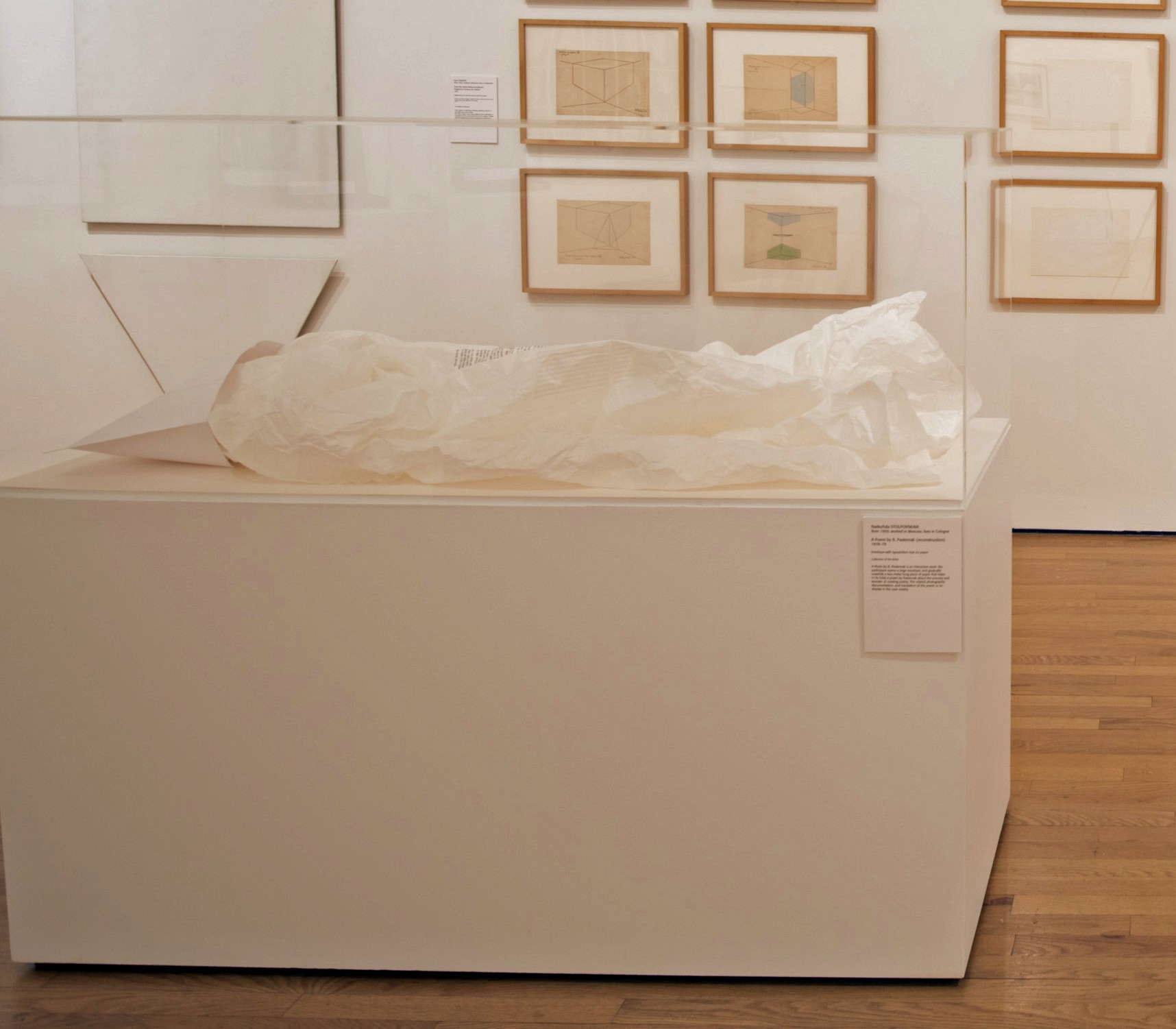
A Poem by Boris Pasternak, 1978. Ink on paper and wax tissue paper, 236.2 × 160 cm (93 × 63 in.). Avenir Foundation Endowment Fund. 2020.004.001A-C. Installation view from the exhibition Thinking Pictures, 2016.
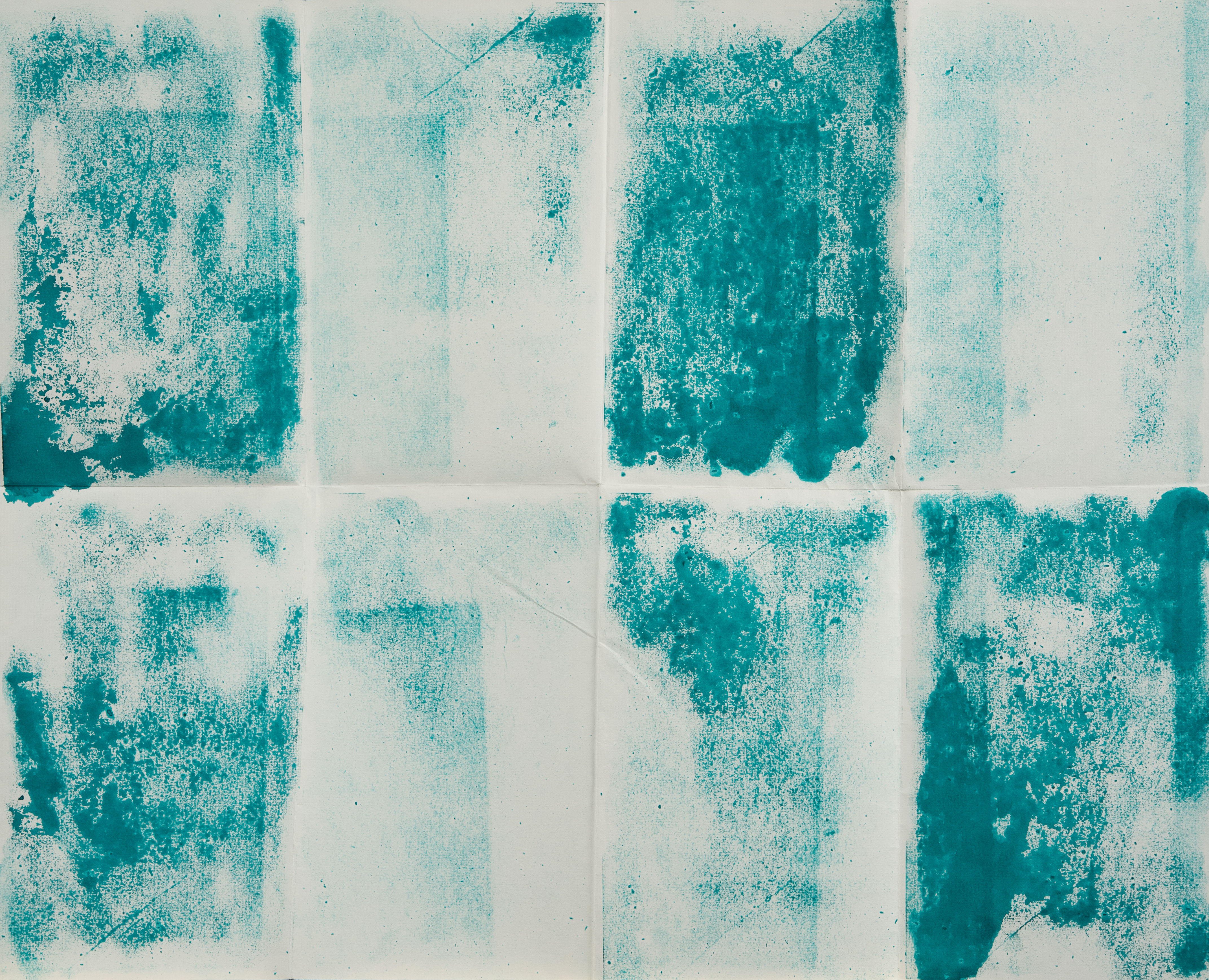
Book: A Poem by Akhmatova, 1981. Gouache on paper and typewritten text on paper, 49.7 × 61.8 cm (19 9/16 × 24 5/16 in.), 21.2 × 13.9 cm (8 3/8 × 5 1/2 in.). Museum Purchase. MANI2.02.41.01
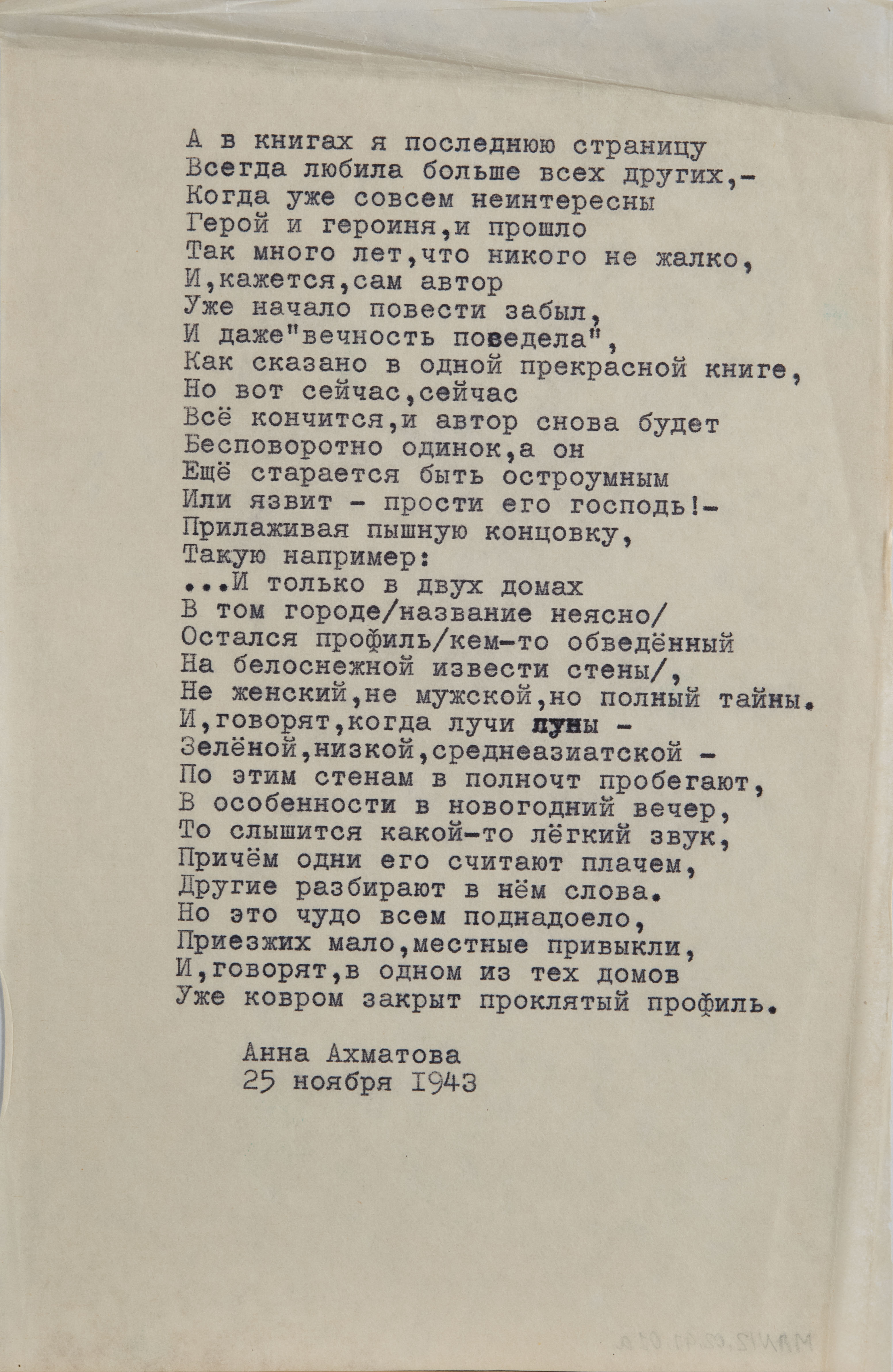
Book: A Poem by Akhmatova, 1981. Gouache on paper and typewritten text on paper, 49.7 × 61.8 cm (19 9/16 × 24 5/16 in.), 21.2 × 13.9 cm (8 3/8 × 5 1/2 in.). Museum Purchase. MANI2.02.41.01a

The First Snow, 1983. Tissue paper and ink on paper, 18 × 84 cm (7 1/16 × 33 1/16 in.) / 36 × 84 cm (14 3/16 × 33 1/16 in.). Avenir Foundation Endowment Fund. 2019.031.001A,B

A Conversation, 1978. Ink and collage on paper, 84 × 42 cm (33 1/16 × 16 9/16 in.). Museum Purchase, Avenir Foundation Endowment Fund. 2023.027.001
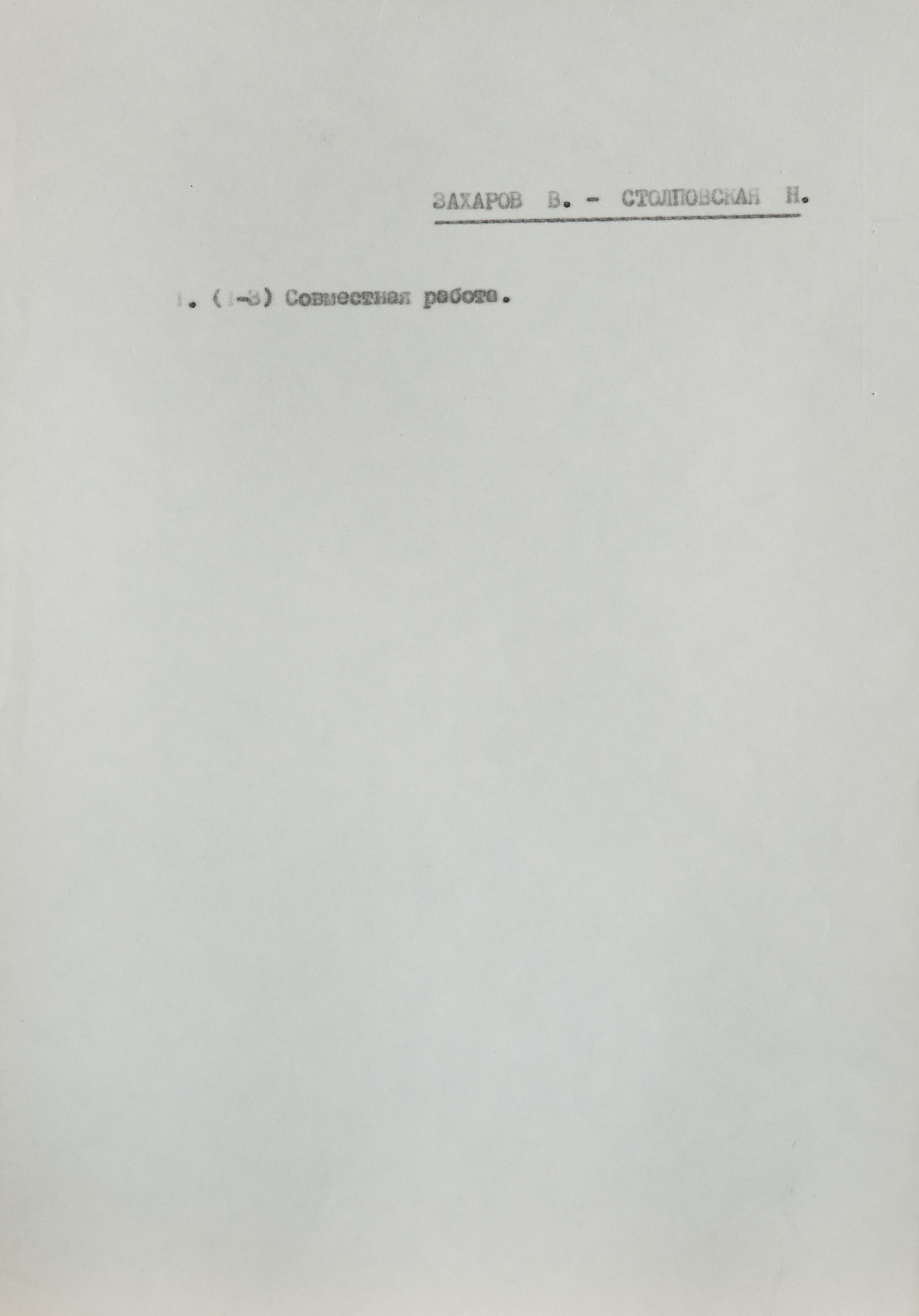
Co-authorship of a Work of Art (Documentation), undated. Gelatin silver print on photographic paper and typewritten text on paper in a large green envelope. Museum Purchase, MANI4.01.09.01-04; .01: typewritten text on paper, 30 × 21 cm (11 13/16 × 8 1/4 in.).
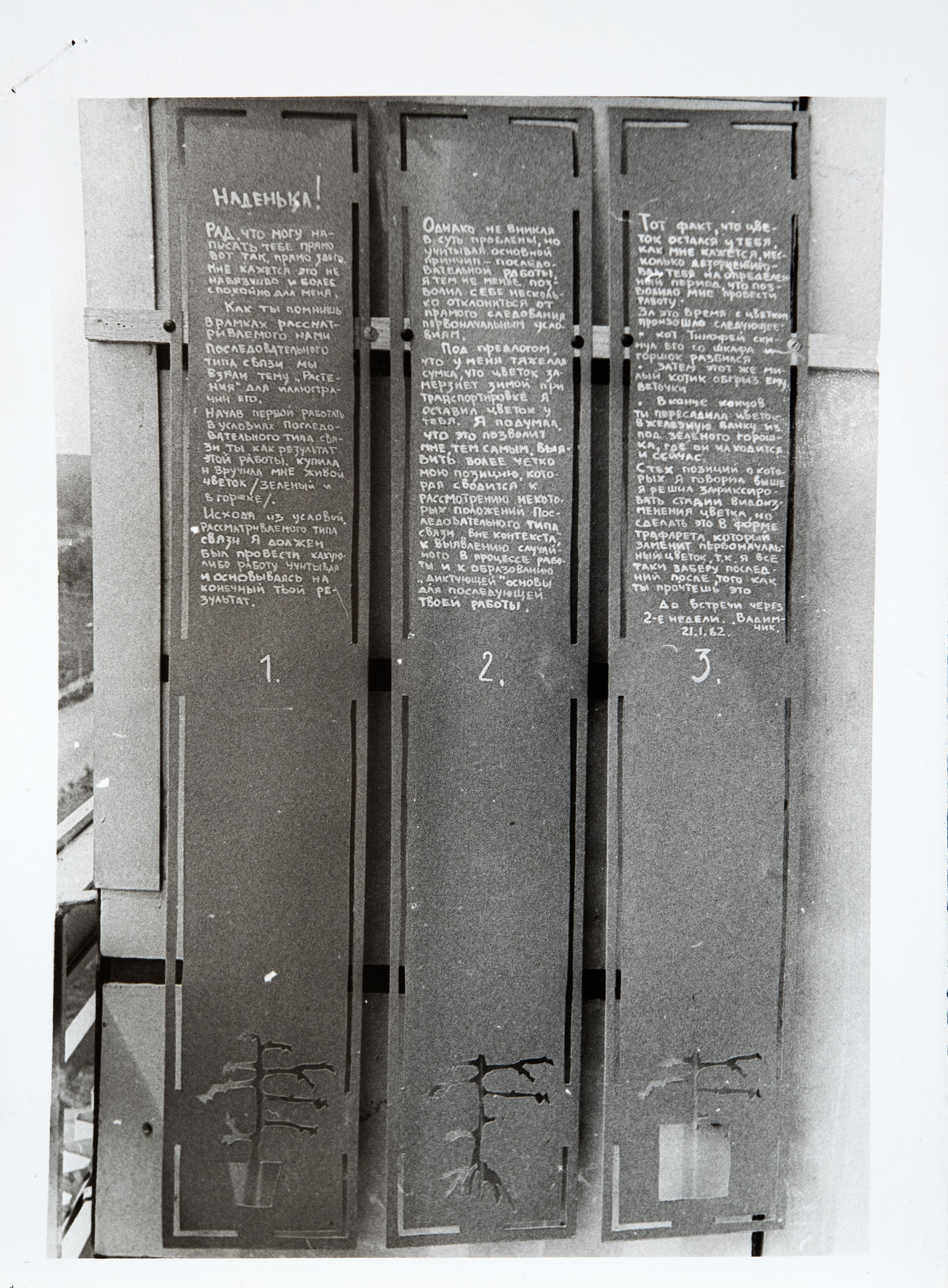
Co-authorship of a Work of Art (Documentation), undated. Gelatin silver print on photographic paper and typewritten text on paper in a large green envelope. Museum Purchase, MANI4.01.09.01-04; .02: gelatin silver print on photographic paper, 20 × 15.3 cm (7 7/8 × 6 in.).
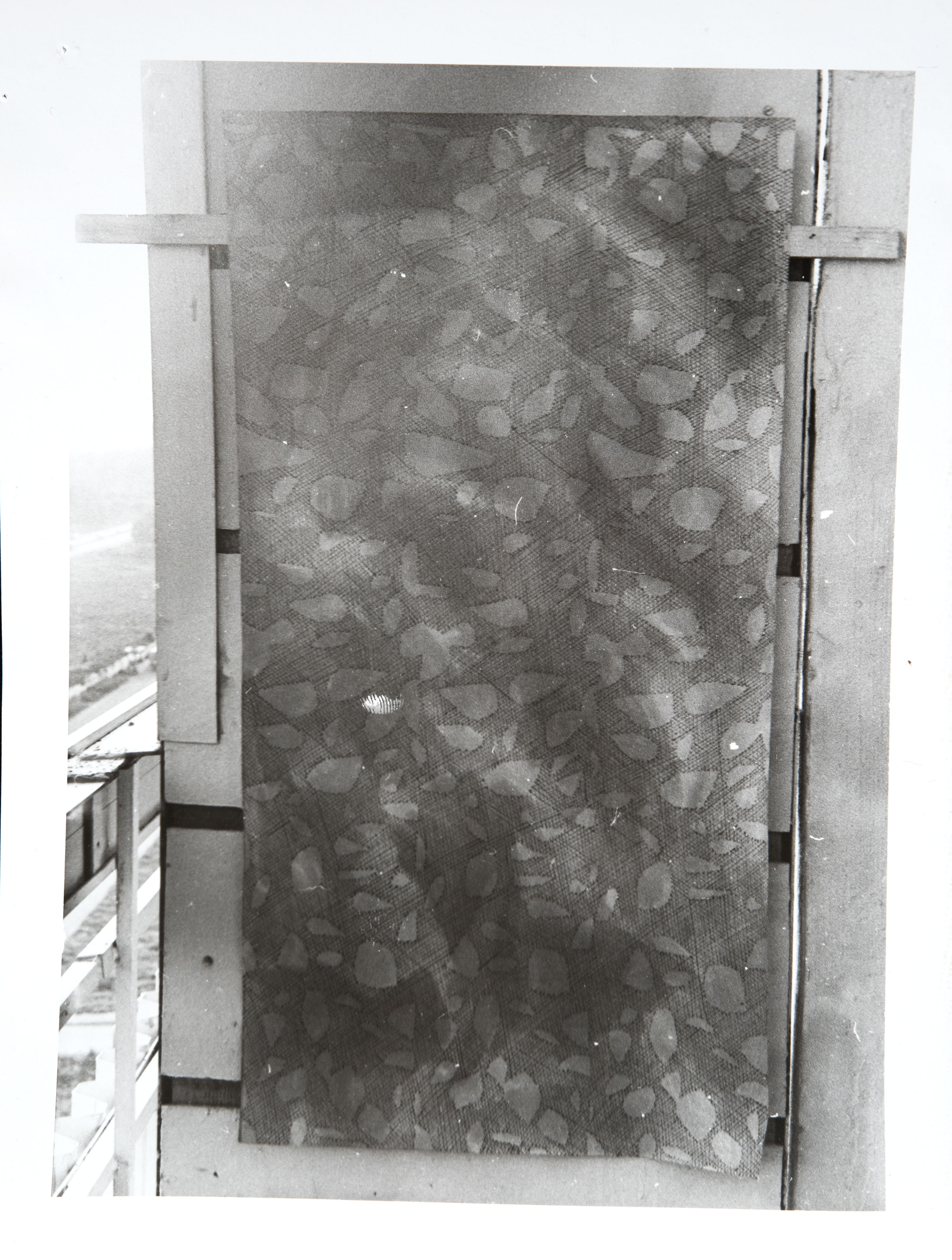
Co-authorship of a Work of Art (Documentation), undated. Gelatin silver print on photographic paper and typewritten text on paper in a large green envelope. Museum Purchase, MANI4.01.09.01-04; .03a: gelatin silver print on photographic paper, 19.9 × 15.1 cm (7 13/16 × 5 15/16 in.).
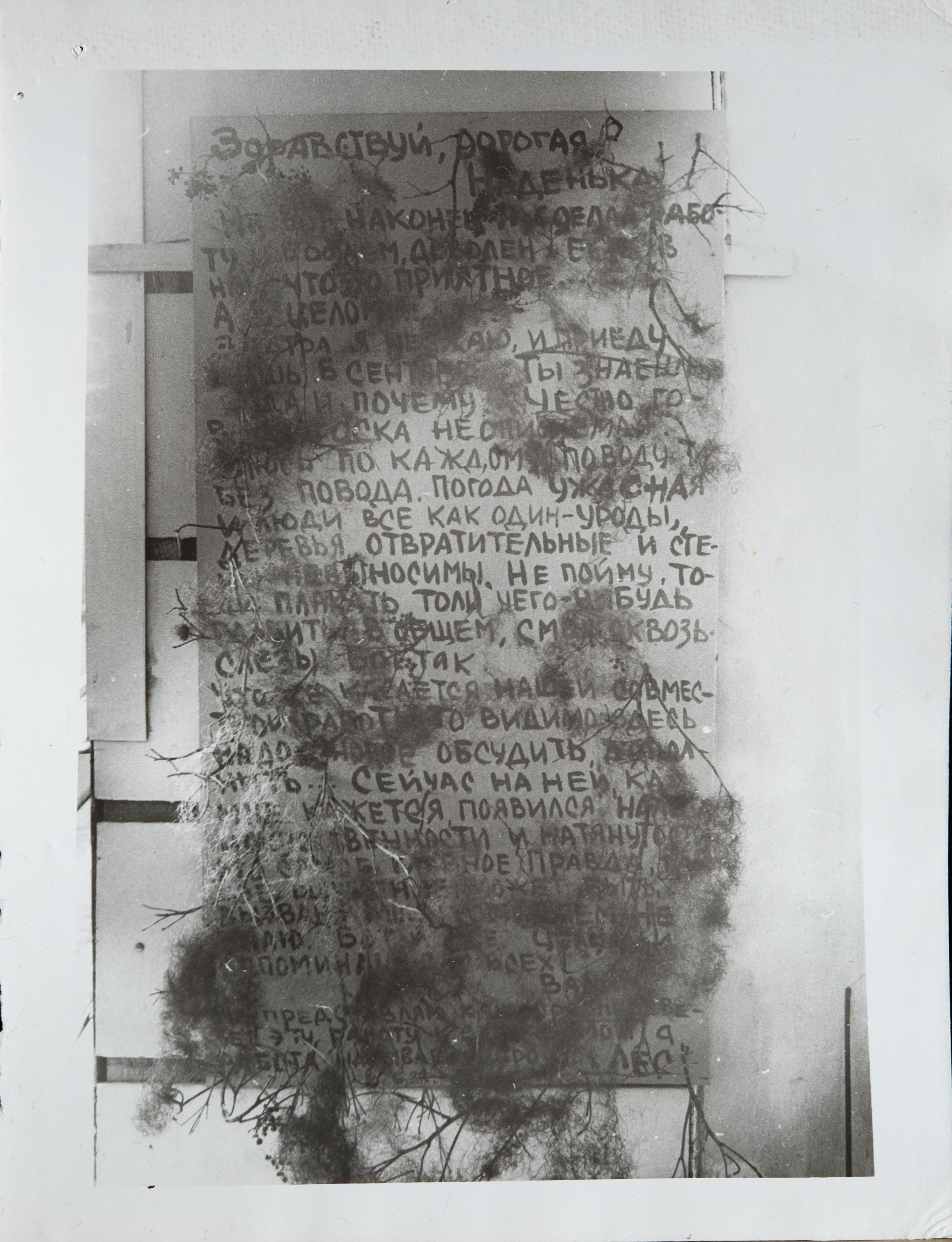
Co-authorship of a Work of Art (Documentation), undated. Gelatin silver print on photographic paper and typewritten text on paper in a large green envelope. Museum Purchase, MANI4.01.09.01-04; .04: gelatin silver print on photographic paper, 20 × 15.1 cm (7 7/8 × 5 15/16 in.).
Selected Exhibitions
1979 Group exhibition in Albert/Stolpovskaya apartment, Moscow, USSR
1984 AptArt in Tribeka, Contemporary Russian Art Center, New York, NY, USA (group)
1987 Contemporary Cubism, KLAVA, Moscow, USSR
1994 New Works, Studio 20 Gallery, Moscow, Russia (solo)
1995 Kunst im Verborgenen, Nonkonformisten Russland 1957–1995, Wilhelm-Hack-Museum, Ludwigshafen, Germany; Documenta-Halle, Kassel, Germany; Lindenau Museum, Altenburg, Germany
1998–2001 Präprintium. Moskauer Bücher aus dem Samizdat, Berlin State Library, Berlin, Germany; Museum of Modern Art, Bremen, Germany; Austrian National Library, Vienna, Austria; Minoritenkloster, Graz, Austria; Museum of Literature on the Upper Rhine, Karlsruhe, Germany
2013 Nadezhda Stolpovskaya, PROUN Gallery, Moscow, Russia (solo)
2023 Distortions: Moscow Conceptualists Working Today, 205 Hudson Gallery, Hunter College, New York, NY, USA
Selected Publications
Hänsgen, Sabine, ed. Präprintium. Moskauer Bücher aus dem Samizdat. Exh. cat. Bremen: Edition Temmen, 1998.
Nicholas, Mary A. Moscow Conceptualism 1975–1985: Words, Deeds, Legacies. London: Bloomsbury Publishing, 2024.
Salnikov, Vladimir. “Novye raboty Nadezhdy Stolpovskoj” [New works of Nadezhda Stolpovskaya]. In Segodnja, October 12, 1994.
Sharp, Jane, ed. Thinking Pictures: The Visual Field of Moscow Conceptualism. New Brunswick: Zimmerli Art Museum, Rutgers, 2016.
Stolpovskaya, Nadezhda. “O prirode detskoj illustratsii” [On the nature of children’s illustration]. In Pastor, Vol. 3 (1993): 81.
Stolpovskaya, Nadezhda. “Illustratsii na zadannuiu temu” [Illustrations on a specified theme]. In Pastor, Vol. 4 (1994): 103.
Stolpovskaya, Nadezhda. “O vliianii Vostoka …” [On the influence of the East …]. In Pastor, Vol. 8 (2001): 185.
Rosenfeld, Alla, ed. Moscow Conceptualism in Context. Munich: Prestel Verlag, 2011.
Zaikina, Olga, and Daniel Bozhkov, eds. Distortions: Moscow Conceptualists Working Today. New York: Hunter College Art Galleries, 2023.
See also