
03/12/2016 - 07/21/2016

1943 — Sigulda (Latvia). Works in Riga (Latvia)
Valdis Celms graduated from the Industrial Art Department of the Latvian SSR State Academy of Art (currently the Art Academy of Latvia) in 1970. His creative work has always synthesized various art forms, and he has worked in the fields of design, kinetic and environmental art, photography, and poster and graphic design. He has also published theoretical articles on design photography, environmental design, kinetic art, and the creative legacy of the constructivist artist Gustav Klutsis (1895–1938).
While studying at the academy and later, Celms experimented with the possibilities of photography; he introduced various techniques and manipulations in these experiments, as well as using nonphotographic materials, achieving surreal or abstract visuality. These experiments embodied his search for multilayered imagery and an interest in structures as a source of universal imagery. For many years, he continued to experiment with photomontage, as it allowed him to combine a take on reality with a visionary view or an ironic, even paradoxical vision. Among his best-known works are his photomontages as multifunctional proposals for future environments and indulgences in fantasy: Kinetic Light Object—Balloon as an information board over the city of Riga; Kinetic Accent—Tower, a variation on Celms’s own kinetic sculptures Positron, The Fourth Level; and Kinetic “Gothic”—Gate, rotating cylinders at the mouth of the Daugava River in the Gulf of Riga (this proposal was varied for a commissioned kinetic sculpture, a model of which is in the Zimmerli Art Museum’s collection). All these works date from 1978.
Celms became interested in kinetic ideas while still studying at the academy, and movement turned out to be a characteristic motif of his work, through which he interpreted the structures of the environment and nature, as well as the organization of space and the possibilities of human visual perception. In the late 1960s and early 1970s he experimented with various forms and op art compositions in static objects that created a sense of movement in perception. In his objects of the mid-1970s and 1980s that involved natural and mechanical movement, as well as in his lumino-kinetic objects, ideas, and proposals, Celms synthesized a technological approach and poetic associations or a meditative mood. In exploring and developing ideas of movement, the artist varied the motifs that appeared in various proposals and also in realized works. In these, he indulged in innovative and avant-garde explorations, based not only on accents of form, but also on theoretical and conceptual developments.
Celms’s first work of mechanical kinetics was the motor-driven Rotating Cylinders in the young artists exhibition’s display of interior art and design, Celebrations (1972). Their upward or downward flowing form at different speeds and bands of color polyphonically visualized the movement that changes in space and time, organizes the environment, and creates new forms. His interest in cyclical rhythm and color, as well as the flow of light, directing it in associative interpretations of natural processes, was also involved in the lumino-kinetic works Daugava (1974), Song (1979), Latvian Motive (1984), and others. As early as the 1970s, Celms also explored and incorporated ethnographic heritage into his works—for example, transformations of Latvian traditional patterns, whose forms, rhythms and poetics resonated with the stylistics of op art and geometric abstraction that were current at the time in the West, in addition to the most important elements of kinetic art: movement, color, light, and optic and psycho-relaxing effects.
His most impressive and complex kinetic sculpture was Positron (1976, ZAM, D19068). Originally a model for a kinetic sculpture, it was commissioned for an electronics factory in Ivano-Frankivsk, Ukraine. It was a rotating seven-meter-high spherical metal construction, illuminated by color programs evoking different moods and a relaxing atmosphere. When the commission was canceled for bureaucratic reasons, the model of the sculpture became an artwork in its own right, and during the lengthy development process different variations and a number of works were created, including spatial and light objects, sculptures, and photomontages.
Celms often collaborated with other designers and artists, including collectively developing concepts and creating works for several design exhibitions. The most innovative was his slide film The Course of Conceptual Development in Design, made together with Jānis Ancītis (b. 1948), Ieva Sala, and Sarmīte Ancīte (1949–1980) at the 4th Design Exhibition (Riga, 1974). The slides were projected onto three screens at the same time, illustrating the relationship between the human being and the environment or its visual associations.
In 1978, together with his like-minded colleagues Andulis Krūmiņš (b. 1943) and Artūrs Riņķis (b. 1942), he made a large-scale exhibition of kinetic art entitled Form. Color. Dynamics, which featured lumino-kinetic, mechanical, optical, and water kinetic artworks, installations, and environmental proposals, mixing visionary thinking with unconventional technical experiments. The exhibition and its authors, known as the Riga Group, were also noticed outside Latvia, as they were in contact with Moscow kineticists Francisco Infante-Arana (b. 1943) and Vyacheslav Koleychuk (1941–2018), and Bulat Galeyev (1940–2009), who headed the experimental laboratory Prometheus in Kazan.
Within the informal group of Pollucionisti (Emissionists) (1978–1980), Celms collaborated with artists Māris Ārgalis (1954–2008), Jānis Borgs (b. 1946), architect Anda Ārgale (b. 1948) and others, creating works with a conceptual approach. Among them was a proposal for the audiovisual art center Lighthouse (with Ārgale and Ārgalis), inspired by a small drawing by the constructivist artist Gustav Klutsis. Interpreting it, they created a conceptual, functional, and architectural proposal for a kinetic sculpture building on the Daugava River. On the other hand, the Emissionist photomontage series Bizarred Riga (1978) was a critical and ironic observation of everyday Soviet urban life, which, surprisingly, was also published in a special issue dedicated to young artists in the newspaper Literatūra un māksla [Literature and Art]. [1] The group soon disbanded, however, as it came under the scrutiny of the KGB and was accused of ideological violations.
In the 1980s and 1990s, Celms’s interest in movement and universality of structures led him toward an in-depth study of Baltic patterns and ornaments as a system of symbols and a semantic field of meanings, and he has become one of the leading specialists in this realm. In the solo exhibition Sign. Space. Myth (1991) at the Ethnographic Open-Air Museum of Latvia, together with designer Egons Garklāvs (1951–), Celms interpreted ethnographic symbols as a heritage of the Baltic nonmaterial culture and a testament to centuries-old traditions. In the 1990s Celms was an artist for several editions of the international folklore festival Baltica, and until 2013 he was part of the creative team of the Song and Dance Festival as an artist and concept consultant for several dance concerts. He has also published the books Latvju raksti un zīmes [Latvian Patterns and Signs] and Baltu dievestības pamati [Basics of Baltic Divinity], both translated into Lithuanian. He has created environmental objects based on this heritage, the most ambitious of which is Lokstene Shrine (2017), of Dievturi on Daugava Island, near Pļaviņas.
In parallel to his independent creative work, Celms worked as an artist in various institutions, including the Office of Designers of Household Chemicals (1968–75), the Decorative Arts Company (1977–79), Latvian Co-operation Advertising (1979–85), and the magazines Kino (1989–91) and Oskars (1993–95), as well as the Latvian War Museum (1997–2008). He is the author of the design for the city limits sign for Riga (1980), whose lettering has become an iconic element of the capital of Latvia and is also used in contemporary design interpretations in popular culture.
Interest in Celms’s kinetic works of the 1970s and his active participation in exhibitions resumed in the 2010s, when—as part of a broader revisitation of the experimental art practices of the Soviet period in a regional and global context—his works, which were so innovative and avant-garde for their time, were included in the context of the international art movements of the 1960s and ’70s. Since 2010 they have been exhibited in international exhibitions in Riga, Latvia; Vilnius, Lithuania; Tallinn, Estonia; and Moscow, Russia.
Ieva Astahovska
Photo portrait by Jonas Ivanauskas
Notes
1. Special Issue “Cilvēks—Pilsēta” [Human—City], Literatūra un Māksla, July 7, 1978.
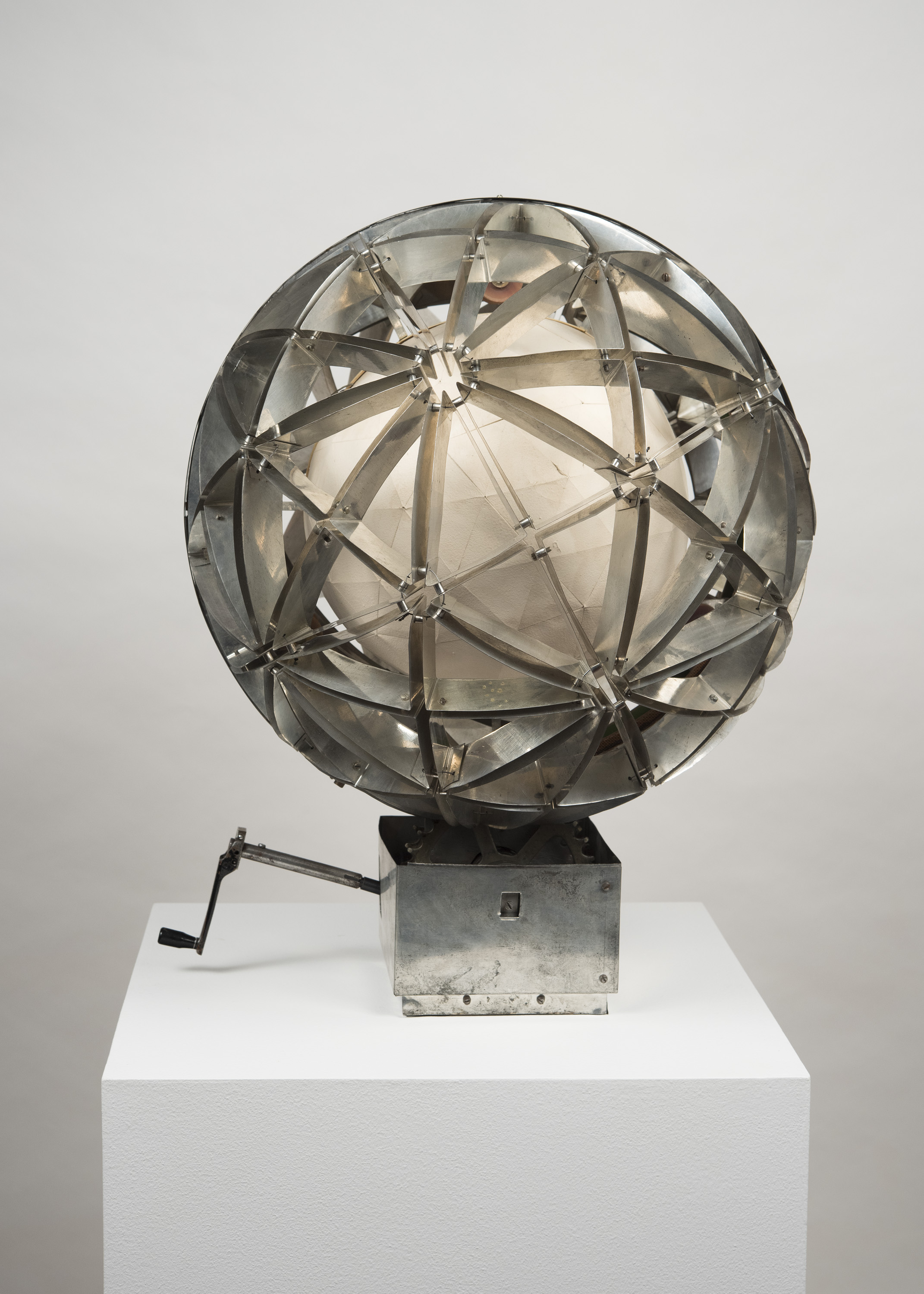
Kinetic Object Positron, 1976. Kinetic maquette of steel, painted paper, and wood, 46 x 37 x 40 cm (18 1/8 x 14 9/16 x 15 3/4 in.). Norton and Nancy Dodge Collection of Nonconformist Art from the Soviet Union. D19068
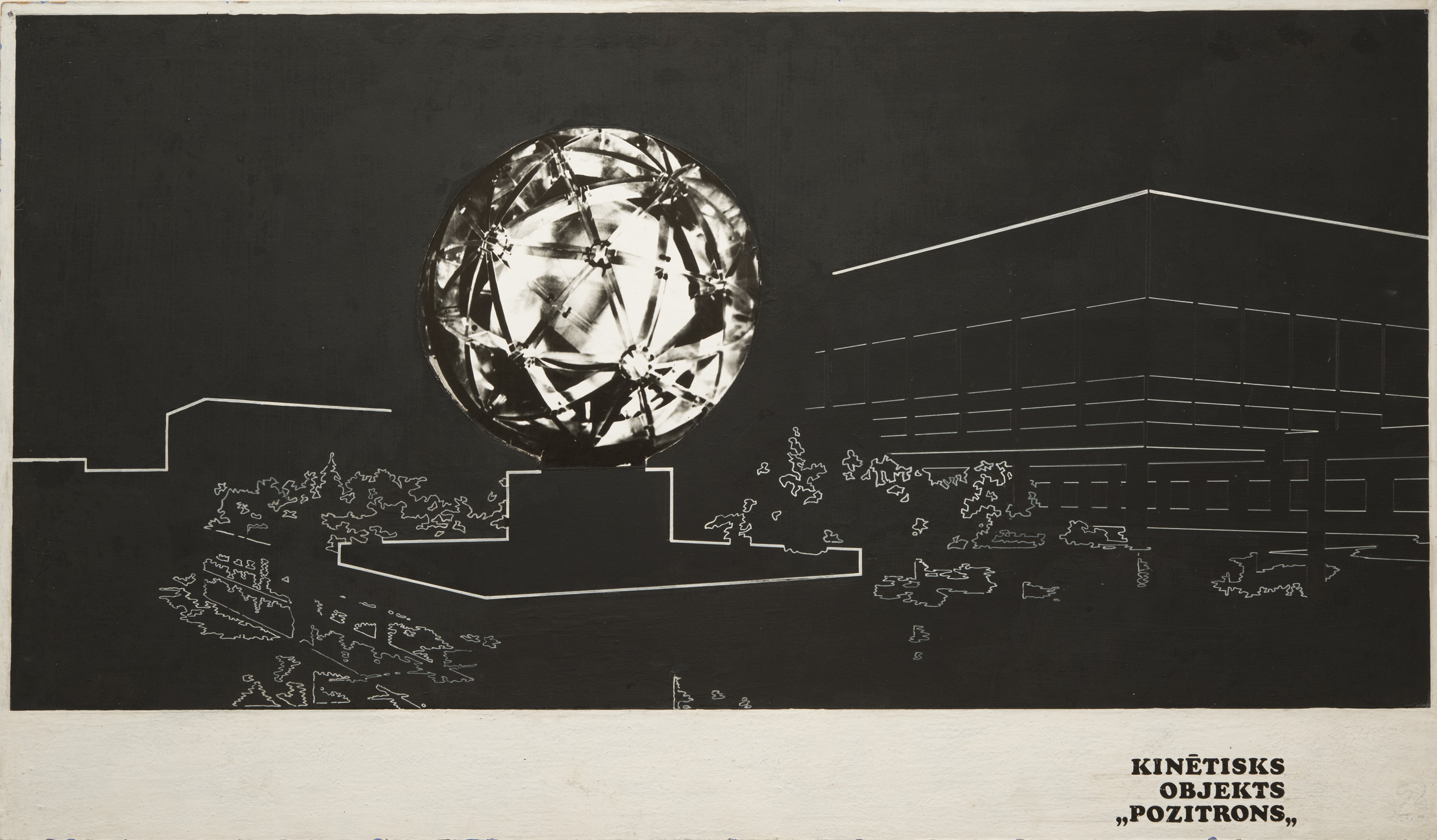
View of Positrons, 1977. Ink and collaged photograph mounted on fiberboard, 61.1 × 104.1 × 1.8 cm (24 1/16 × 41 × 11/16 in.). Norton and Nancy Dodge Collection of Nonconformist Art from the Soviet Union. D19059
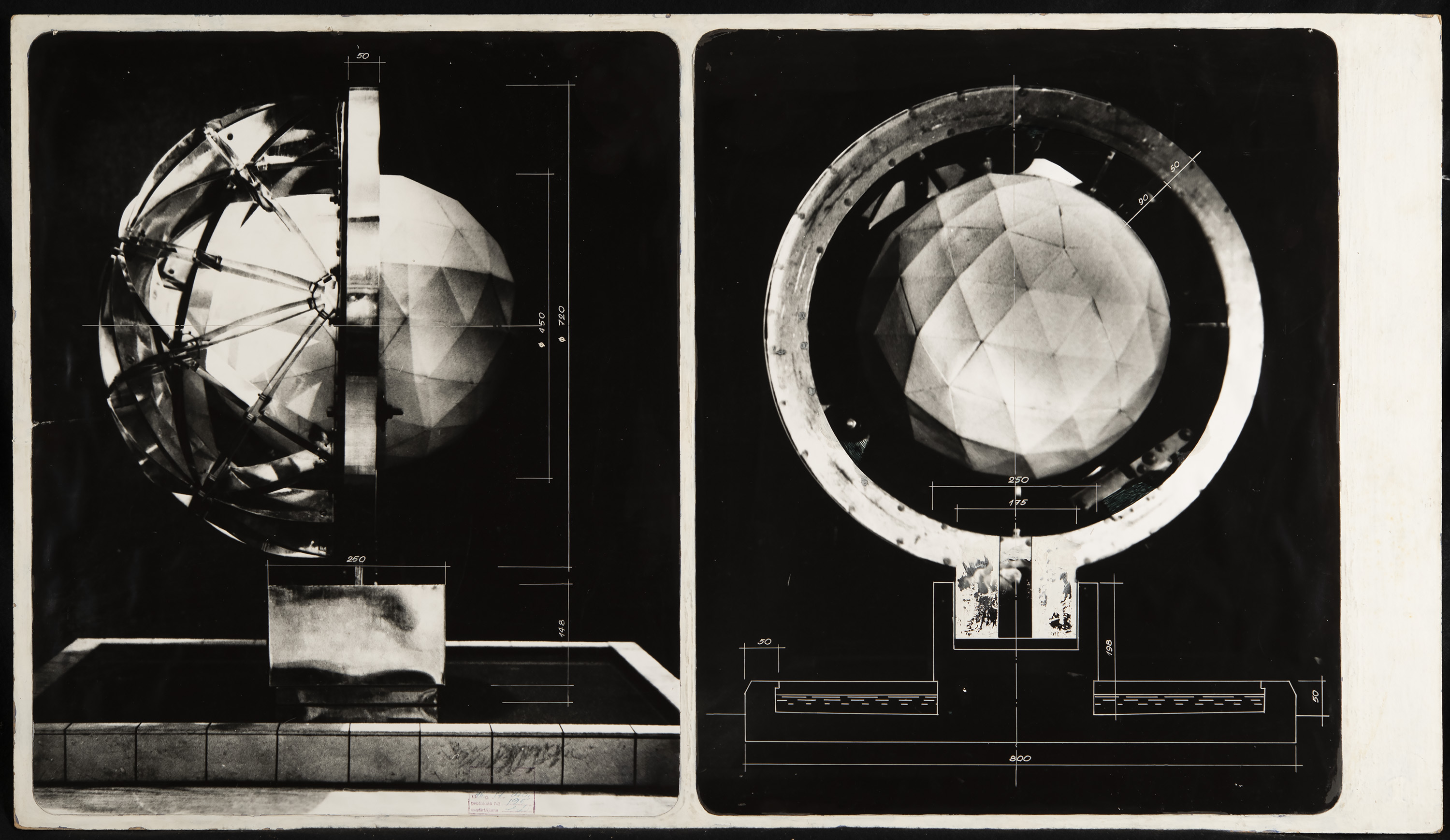
Views of Positrons, 1977. Ink and collaged photographs mounted on fiberboard, 61 × 104.1 × 2 cm (24 × 41 × 13/16 in.). Norton and Nancy Dodge Collection of Nonconformist Art from the Soviet Union. Object Number: D19058
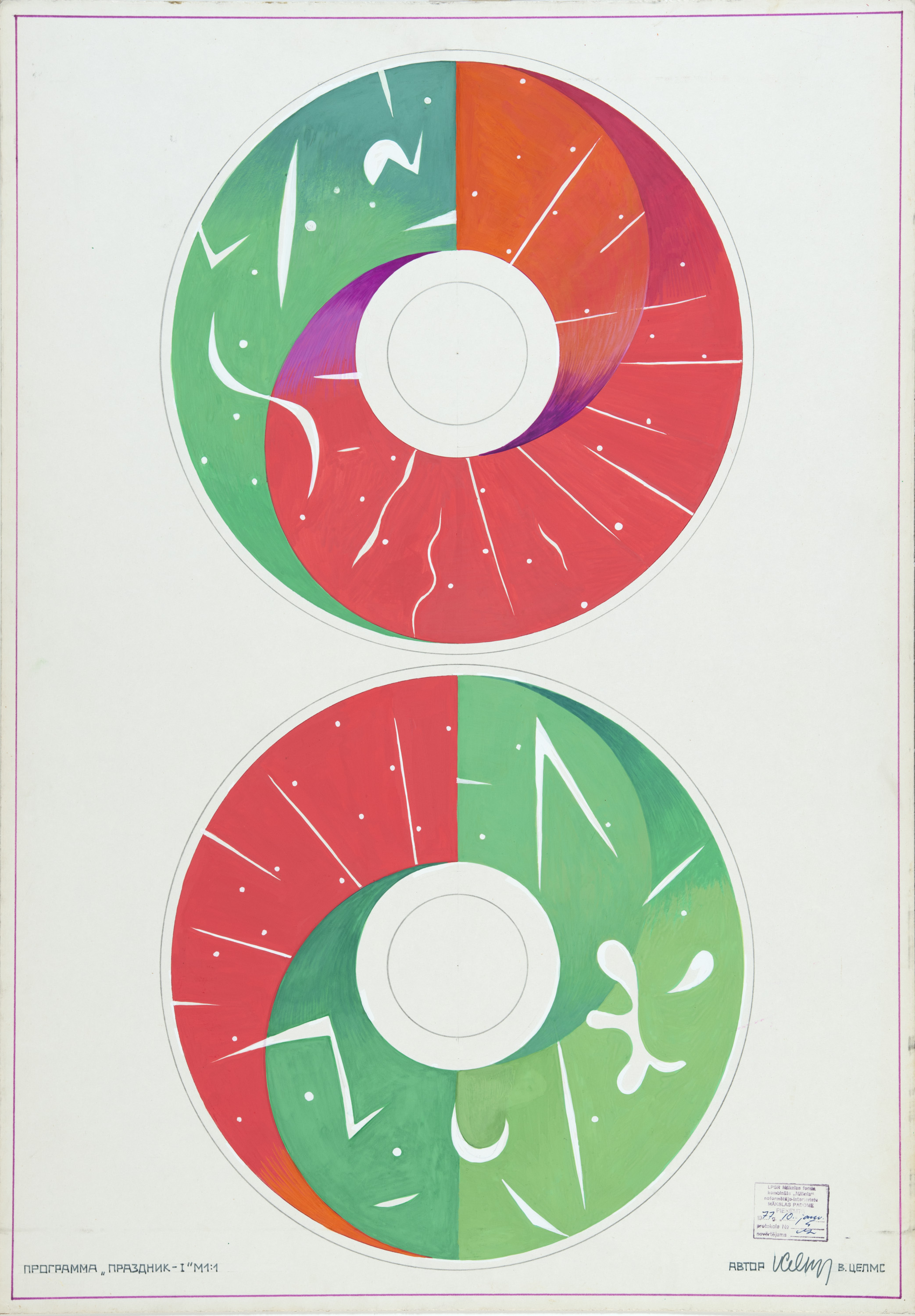
Sketch of Pozitron's light program "Prazdnik-I", 1977. Gouache, ink and graphite on paperboard, 84 x 60 cm (33 1/16 x 23 5/8 in.). Norton and Nancy Dodge Collection of Nonconformist Art from the Soviet Union. D19052
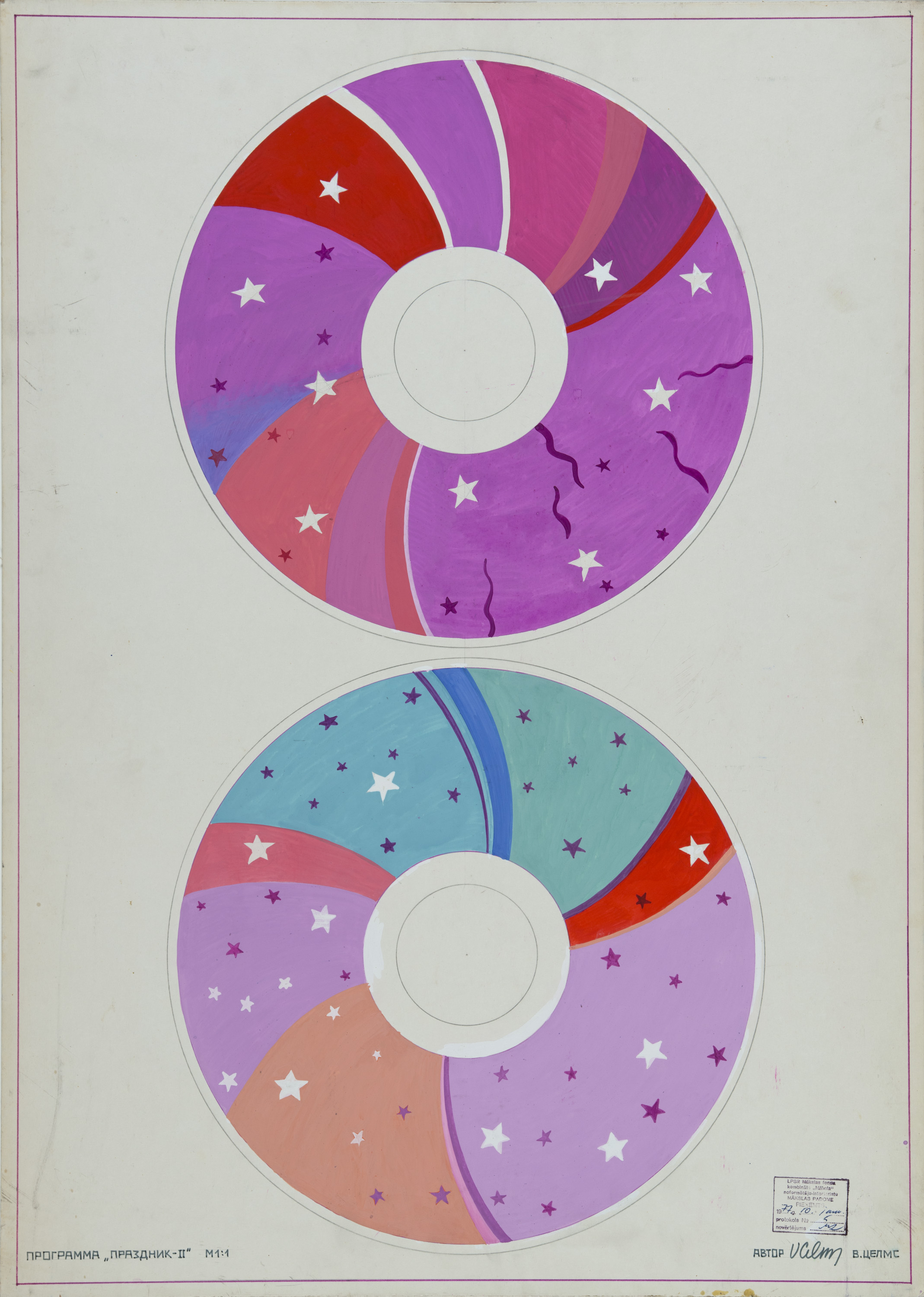
Sketch of Positron's light program "Prazdnik-II", 1977. Gouache, ink, and graphite on paperboard, 84 x 60 cm (33 1/16 x 23 5/8 in.). Norton and Nancy Dodge Collection of Nonconformist Art from the Soviet Union. D19054
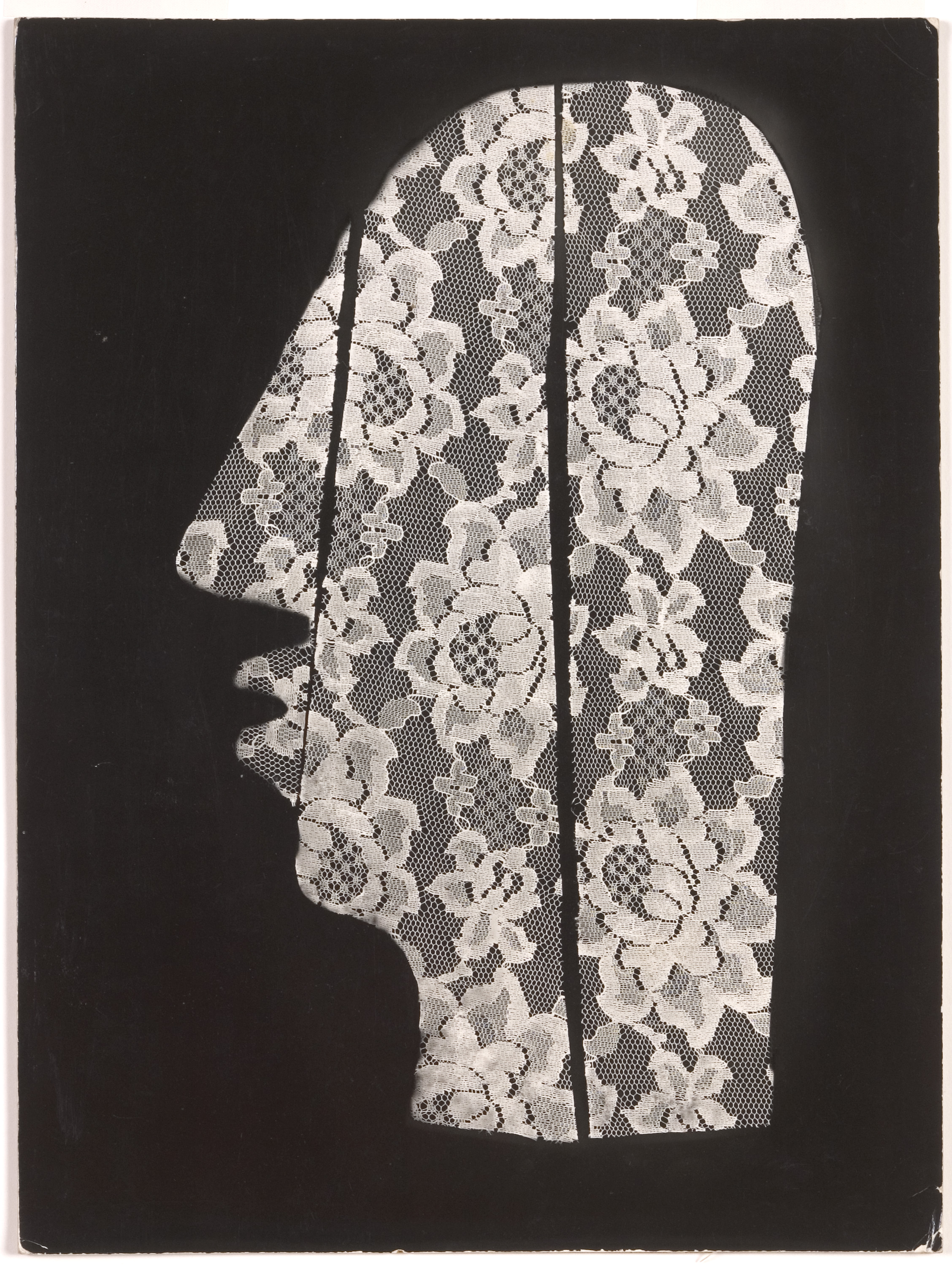
Head, 1969. Gelatin silver photogram on paperboard, 39.8 × 29.9 cm (15 11/16 × 11 3/4 in.). Norton and Nancy Dodge Collection of Nonconformist Art from the Soviet Union. D01125
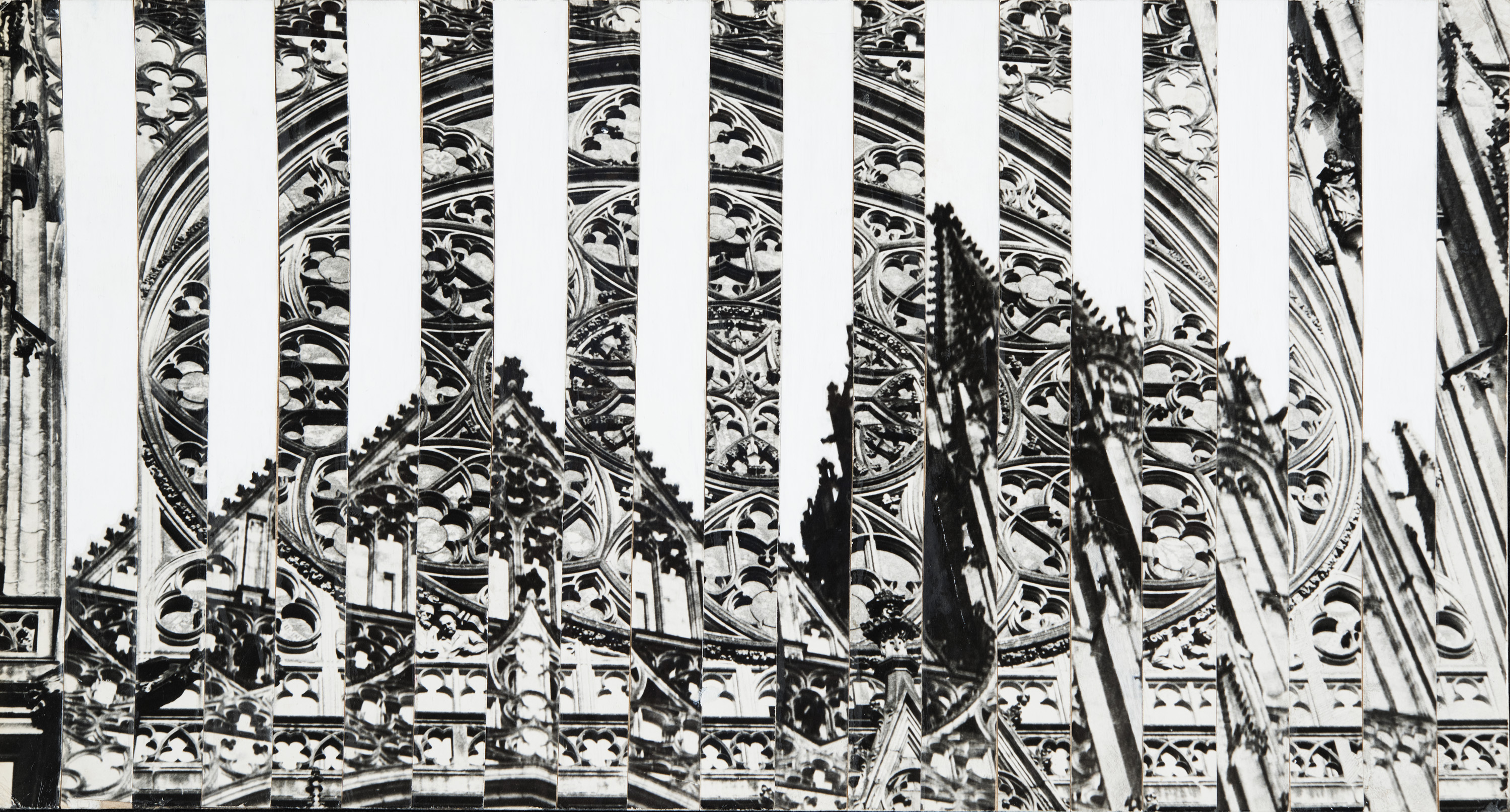
Prague, 1967-1968. Gouache over collaged gelatin silver print on paperboard, 22 × 41.9 cm (8 11/16 × 16 1/2 in.). Norton and Nancy Dodge Collection of Nonconformist Art from the Soviet Union. D01124.01
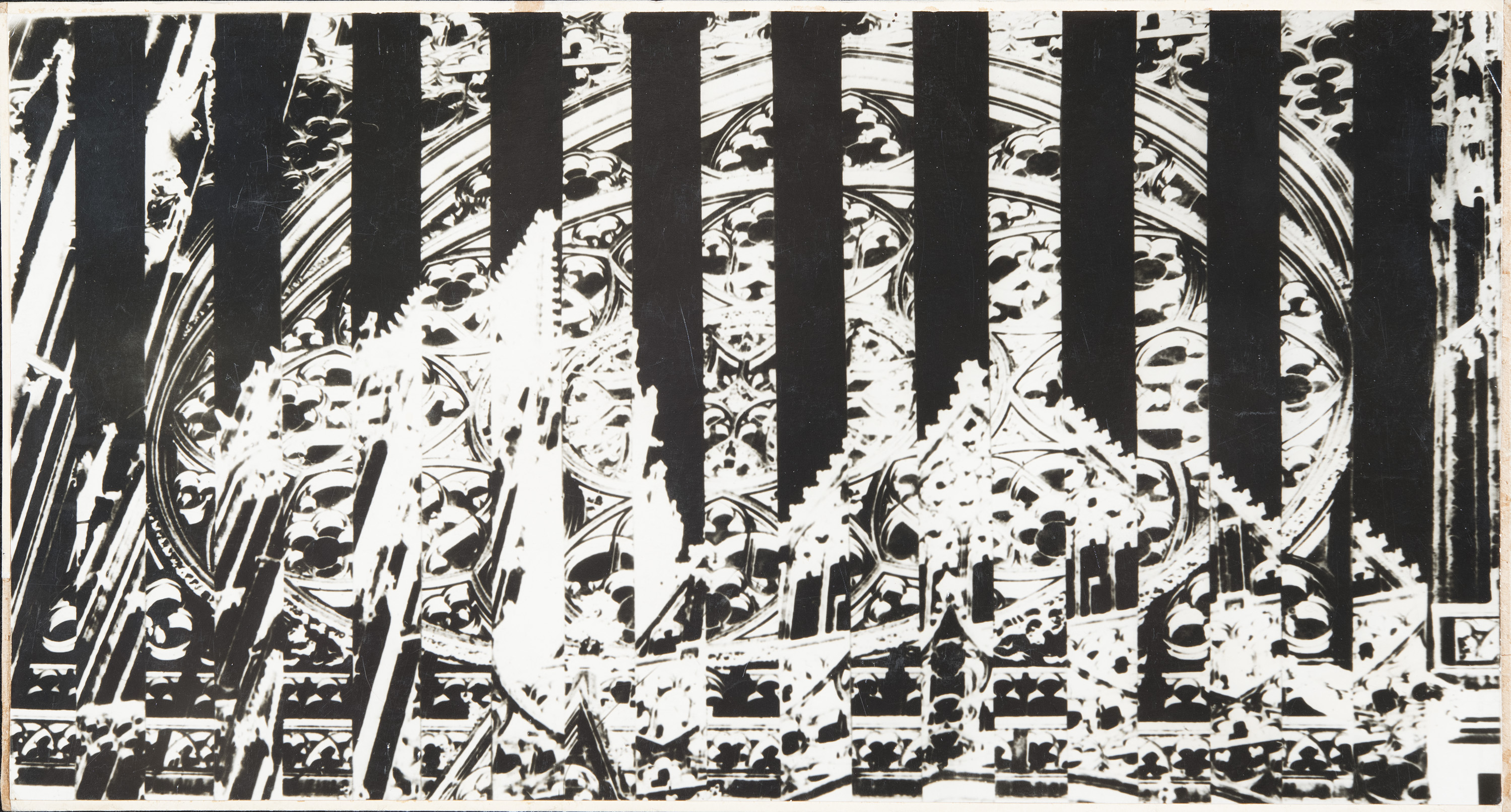
Composition, 1969. Gouache over collaged gelatin silver print on paperboard, 20.3 × 39.5 cm (8 × 15 9/16 in.). Norton and Nancy Dodge Collection of Nonconformist Art from the Soviet Union. D01124.02
Selected Exhibitions
1972 Svētki [Celebrations], House of Knowledge (Latvian Republic House of Scientific and Technical Propaganda), Riga, Latvia
1978 Form. Color. Dynamics, Riga Museum of Architecture and Building, Saint Peter’s Church, Riga, Latvia
1991 Sign. Space. Myth, Ethnographic Open-Air Museum of Latvia, Riga, Latvia (solo)
2010 Un Citi. Virzieni, meklējumi, mākslinieki. 1960–1984 [And Others: Movements, Explorations, and Artists in Latvia, 1960–1984], Riga Art Space, Riga, Latvia
2011 Our Metamorphic Futures: Design, Technical Aesthetics and Experimental Architecture in the Soviet Union, National Gallery of Art, Vilnius, and Estonian Museum of Applied Art and Design, Tallinn, Estonia
2016 Dreamworlds and Catastrophes: Intersections of Art and Science in the Dodge Collection, Zimmerli Art Museum, Rutgers University, New Brunswick, NJ, USA
2018 Трансатлантическая альтернатива. Кинетическое искусство и оп-арт в Восточной Европе и Латинской Америке в 1950–1970-е [Transatlanticheskaya al'ternativa. Kineticheskoye iskusstvo i op-art v Vostochnoy Yevrope i Latinskoy Amerike v 1950–1970-ye, The Other Transatlantic: Kinetic and Op Art in Eastern Europe and Latin America, 1950s–1970s], Garage Museum of Contemporary Art, Moscow, Russia
2022 Mõtlevad pildid. Moskva kontseptuaalne kunst Norton ja Nancy Dodge’i kogust [Thinking Pictures: Conceptual Art from Moscow and the Baltics], Kumu Museum, Tallinn, Estonia
Selected Publications
Astahovska, Ieva, ed. Valdis Celms. Arhīva piezīmes par kādu projektu un laikmetu [Valdis Celms: Archival Notes on a Project and an Era]. Riga: Latvian Center for Contemporary Art, 2014.
Astahovska, Ieva, ed. Visionary Structures: From Johansons to Johansons. Riga: Latvian Center for Contemporary Art, 2015.
Baranovska, Inese, and Kristīne Budže, eds. Just on Time: Design Stories about Latvia. Riga: Museum of Decorative Arts and Design, 2019.
Celms, Valdis. Baltu dievestības pamati [Basics of Baltic Divinity]. Riga: Lauku Avīze, 2016.
Celms, Valdis. “Gustavs Klucis un latviešu tradīcija” [Gustav Klutsis and the Latvian Tradition]. In Gustav Klucis: Retrospektive. Exhibition catalogue. Stuttgart: Hatje, 1991, 293–97.
Celms, Valdis. “Kustības estētiska apguve” [Aesthetic Study of Movement]. Māksla [Art] 3 (1977): 14–16.
Celms, Valdis. Latvju raksti un zīmes [Latvian Patterns and Signs]. Riga: Folklore Information Center, 2007, 2008, 2011.
Celms, Valdis. “Pilsēta—telpiski estētiska struktūra” [The City—a Spatial Aesthetic Structure]. Māksla [Art] 4 (1978): 16–18.
Celms, Valdis. “The Dialectic of Motion and Stasis in Kinetic Art,” Leonardo 27, no. 5, Special Issue, “Prometheus: Art, Science and Technology in the Former Soviet Union” (1994): 387–90.
Celms, Valdis, and Egons Spuris. “Dizaina foto iespējas un uzdevumi” [Design Photo Opportunities and Challenges]. Māksla [Art] 2 (1971): 46–50.