
Tõnis Vint
1942 — Tallinn (Estonia) | 2019 — Tallinn (Estonia). Lived and worked in Tallinn (Estonia)
Tõnis Vint was the oldest son in a family with three kids, all of whom became artists. In addition to himself were his younger brother, Toomas Vint (b. 1944), a painter, and younger sister, Maara Vint (b. 1955), a graphic artist and book illustrator. That his siblings became artists was due largely to his influence and his a conceptual reflection upon art history, even before his graphic arts studies at the State Art Institute of the Estonian SSR (now the Estonian Academy of Arts) between 1962 and 1967. During his time at the academy, Vint became a leading theorist within its Student Scientific Society and its creative group, ANK ’64. The credo formulated by these young artists was the belief in the necessity of being well informed, not only about historical and contemporary art but also about current cultural and scientific developments, and of creating an individual artistic language based on this knowledge. The ANK ’64 group had been named after their inaugural semiofficial exhibition in 1964. By showing their independent works for the first time as an artistic group, these art students had taken an unprecedented initiative in Soviet Estonia, where previously all creative collectives except official unions were prohibited.
After finishing at the academy with a specialization in graphic design, Vint worked at the Packaging and Advertising Laboratory in the Construction and Technology Bureau of the Estonian SSR Ministry of the Meat and Dairy Industries between 1967 and 1973. Here, using an innovative style that resembled pop art, he created several works that became iconic because of their unconventionality within graphic design of the time. Even though pop art was originally intended as a critique of Western consumerist society, its visual language had the effect of heightening the attraction of everyday objects and the environment in the impoverished visual culture that was the Soviet reality. In addition, items of graphic design had significant print runs, so they circulated in greater numbers, reaching a much larger audience than fine artworks. In a similar way, Vint was able to introduce innovative aesthetics as an independent book designer, but also, between 1971 and 1980, as a designer of several cultural magazines, which can still be found in many Estonian homes. Here, his visual language evolved from resembling pop art into a more minimalist, geometric, and conceptual style.
Similar dynamics could be found in Vint’s independent graphic oeuvre, in such media as ink drawings, as well as such printmaking techniques as linocut and lithograph. Here, his work generally followed two parallel lines of development: a conceptual and abstract path, exemplified by the ink drawing Four Dots in Space II (1972, ZAM, 1992.1042), and a symbolic and figurative path, as demonstrated by the lithograph Room I (1973, ZAM, D05637). At the same time that the artist created abstract or geometrically abstract minimalist compositions, he was also producing figurative scenes set in elegant interiors or bizarre landscapes. Influenced by the comparative psychoanalysis of Carl Gustav Jung (1875–1961), Vint developed his so-called psychogeometric art system, which aspired to the harmonious and focused structures of mandalas, as well as to the dreamlike atmospheres described in Jung’s texts, believed to be passages to a more wholesome Self. Dreamy ambiences in Vint’s works give rise to preverbal perceptions, touched by defamiliarization and perceived via visual intuition rather than through clear verbal narratives. In the lithograph Silence (1980), huge eggs seem to grow in a field in which appears a mysterious female figure intended to embody the Jungian anima, an archetypal guide into the collective unconscious, whose femininity counterbalances the masculinity of a male viewer.
Vint’s art was based on his lifelong research, resulting in a concept that synthesizes very different visual sign systems. He delved into traditional Chinese and Japanese philosophy, aesthetics, and writing cultures; mannerism; art nouveau and art deco; ornamental systems across the world; alchemy; the Chinese Book of Changes; combinatorics; and so forth. Anticipating visual culture studies, Vint’s concepts introduced a democratic, nonhierarchical comparative approach to artworks and items of folk art, handicraft, or graphic design, refusing to separate them into “high” and “low” art. Using archetypal symbolism, such as cosmogenesis or a model of the world, Vint coined an artistic system that could be called artistic mythology. At the same time, the artist aimed to create mandala-like artworks that transmitted a sense of harmony and concentration, as in his lithograph Coral (1975, ZAM, D02986). He was convinced that images can transmit positive message even to the viewer’s unconscious.
However, Vint worked to introduce his ideas on a conscious level as well. From the end of the 1960s onward, he held regular lectures at his home, open to anyone interested. Those became a platform for alternative knowledge about art, influencing artists, graphic designers, architects, and other creative people of different generations. The most systematic was Vint’s work as tutor of the Studio 22 artist’s group (1972–80) [1]. In addition to lectures, Vint presented his research in numerous publications, where rich illustrative material acted on a separate level, as a suggestive visual argumentation. In 1980, in cooperation with Latvian director Ansis Epners, the artist made the documentary Belt of Lielvārde (Riga Film Studio), where montage was used to demonstrate affinities between very different artifacts that seemingly grew from one another.
In the 1990s, Vint started to produce a series of theoretical charts, organizing his ideas in the manner of an atlas comparable to that of Aby Warburg. As this aesthetic system strove for universality, Vint broadened it into three-dimensional space as well, creating the total design of his two flats and a stage design for Rabindranath Tagore’s 1983 play The Post Office (Tallinn State Drama Theatre). After Estonia had restored its independence, he suggested several large-scale scenarios for renovating Tallinn urban spaces; however, they were too utopian to be realized.
Vint actively participated in exhibitions in Estonia and abroad. Despite the isolation of Soviet society, he was one of the first Estonian printmakers who found a way to send artworks unofficially to biennials and triennials in Rijeka, Kraków, Ljubljana, or even Tokyo, by rolling his works into postal parcels. Thus, the lithographs Light Landscape (ZAM, D02665), Rain (ZAM, D02667), and Landscape Z (ZAM, D02668), all 1972, appeared, among works of other Estonian printmakers, at the satellite exhibition Grafica d’oggi [Graphic Art Today] at the Venice Biennial in 1972: here, multiple art prints were able to communicate artistic ideas despite Soviet isolation.
Elnara Taidre
Photo portrait: Tõnis Vint at his home studio in Gonsiori Street, first half of the 1980s. Photo by Ene Kull. Archive of Tõnis Vint
Notes:
1. The theoretical basis for Studio 22 has become Tõnis Vint’s psychogeometric concept, which is discussed below, and the goal is the acquisition of an alternative art education through lectures and creative experiments, not “creating art but a spiritual blossoming through art” (see Tõnis Vint, “Hermetria ja rühm 22,” Sirp ja Vasar, February 3, 1989, 8). In various periods, the activities of Studio 22 have been associated with “the Dürer of Lviv” Oleksandr Aksinin (1949–1985), Siim-Tanel Annus (b. 1960), Jaak Johanson (1959–2021), Tõnu Kaalep (1966–2018), Mari Kartau (b. 1968), Ene Kull (b. 1953), Urmas Luure, Ülar Mark (b. 1968), Andres Ojari (b. 1970), Agu Pilt (b. 1951), Ralf Tamm (b. 1968), Marje Taska (b. 1955), and many others.
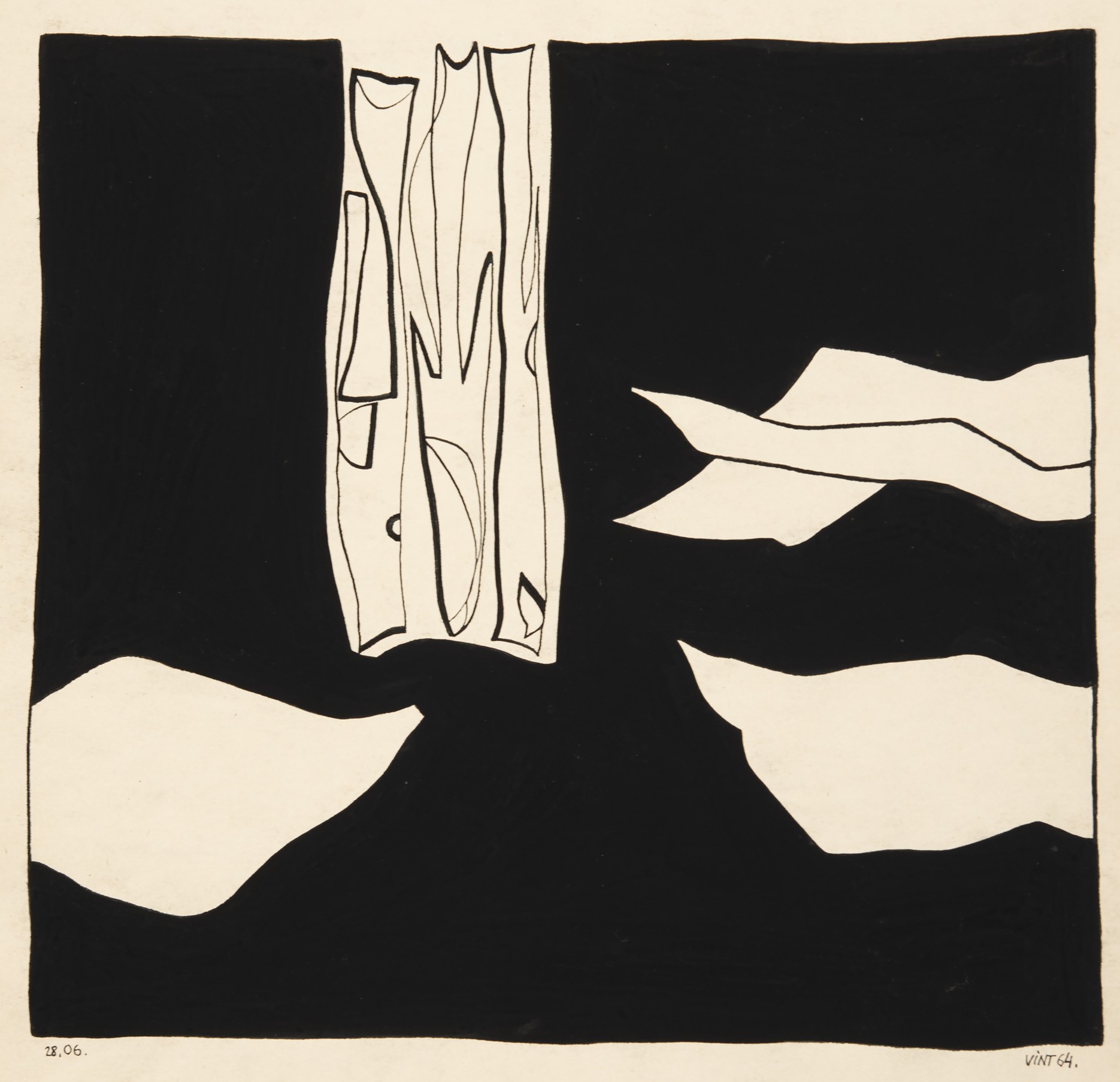
28.6., 1965. Gouache on paper, 49.8 × 39.6 cm (19 5/8 × 15 9/16 in.). Norton and Nancy Dodge Collection of Nonconformist Art from the Soviet Union. D18610
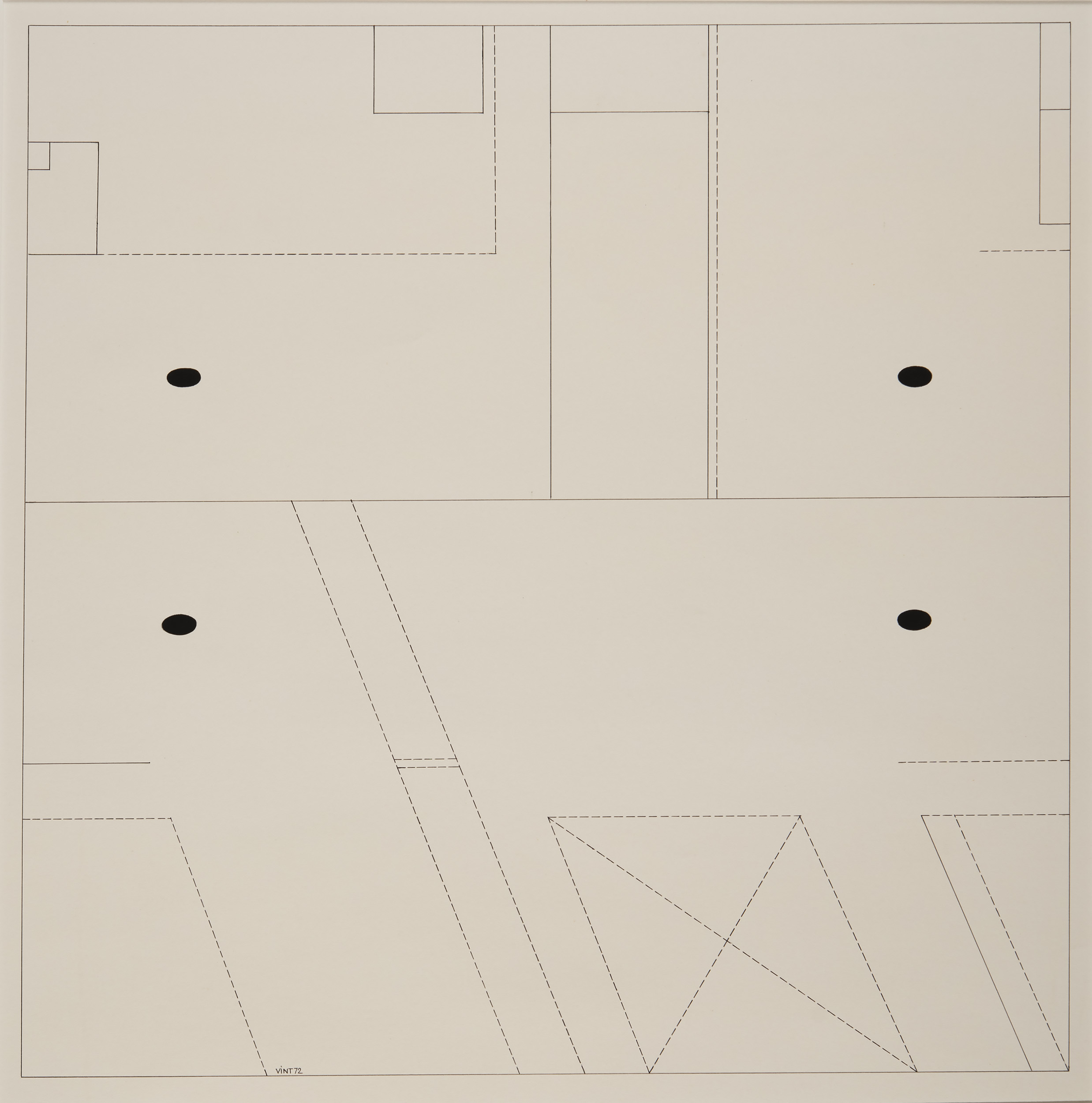
Four Dots in Space II, 1972. Ink on paper, 61.7 x 60 cm (24 5/16 x 23 5/8 in.). Norton and Nancy Dodge Collection of Nonconformist Art from the Soviet Union. 1992.1042
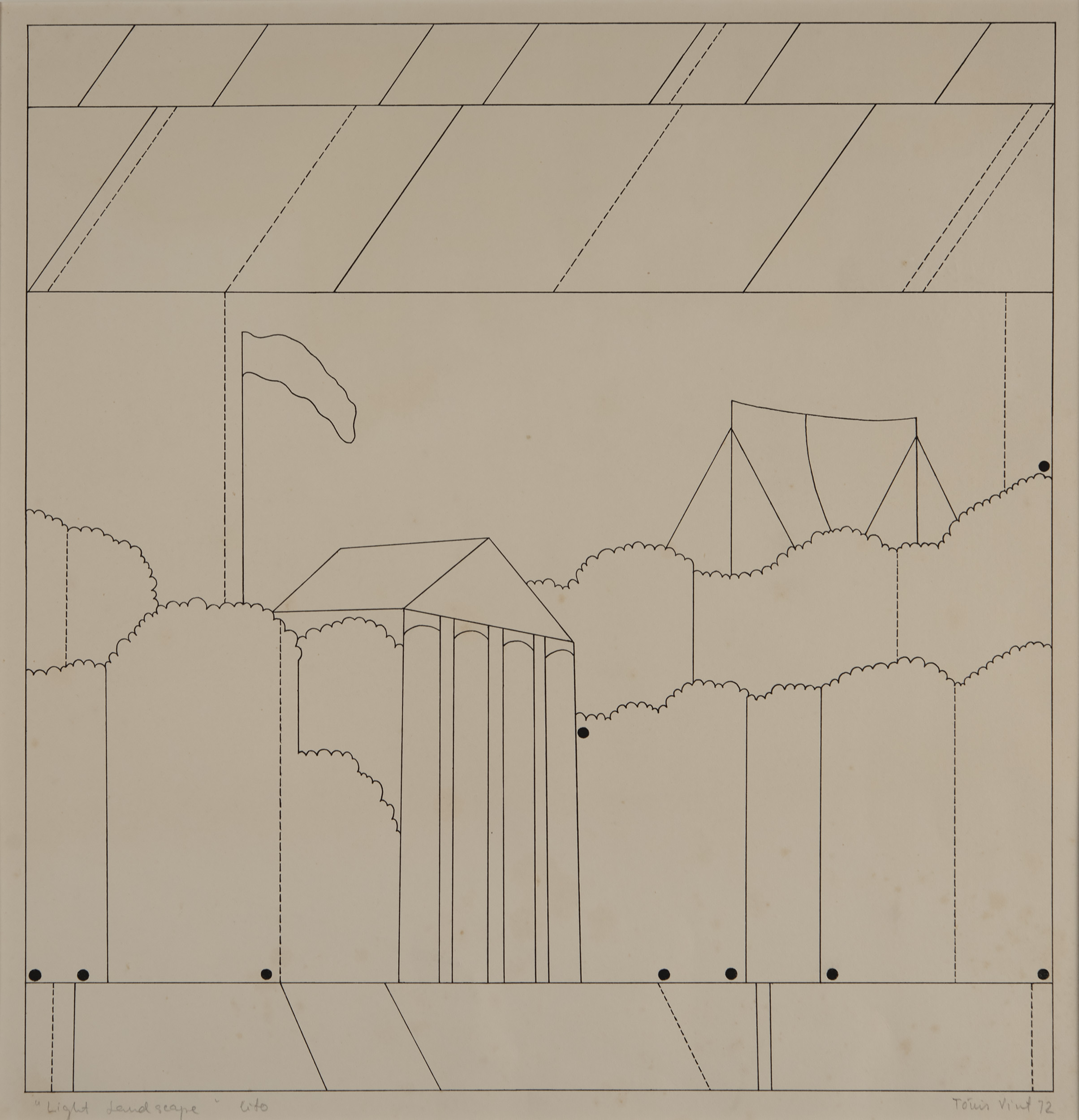
Light Landscape, 1972. Lithograph on paper, 64.8 × 60.2 cm (25 1/2 × 23 11/16 in.). Norton and Nancy Dodge Collection of Nonconformist Art from the Soviet Union. D02665
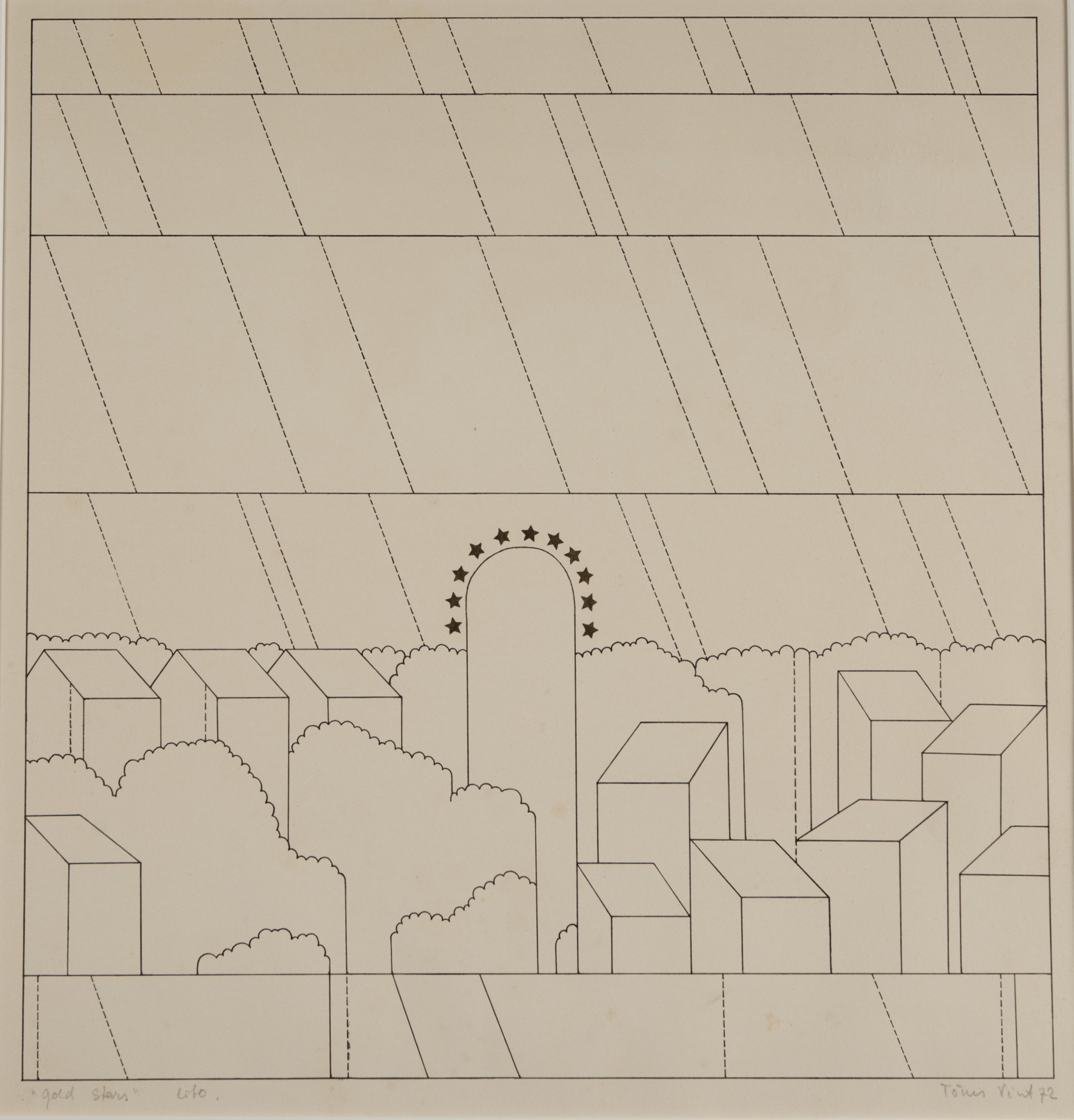
Gold Stars, 1972. Lithograph on paper, 63.8 × 60.4 cm (25 1/8 × 23 3/4 in.). Norton and Nancy Dodge Collection of Nonconformist Art from the Soviet Union. D02667
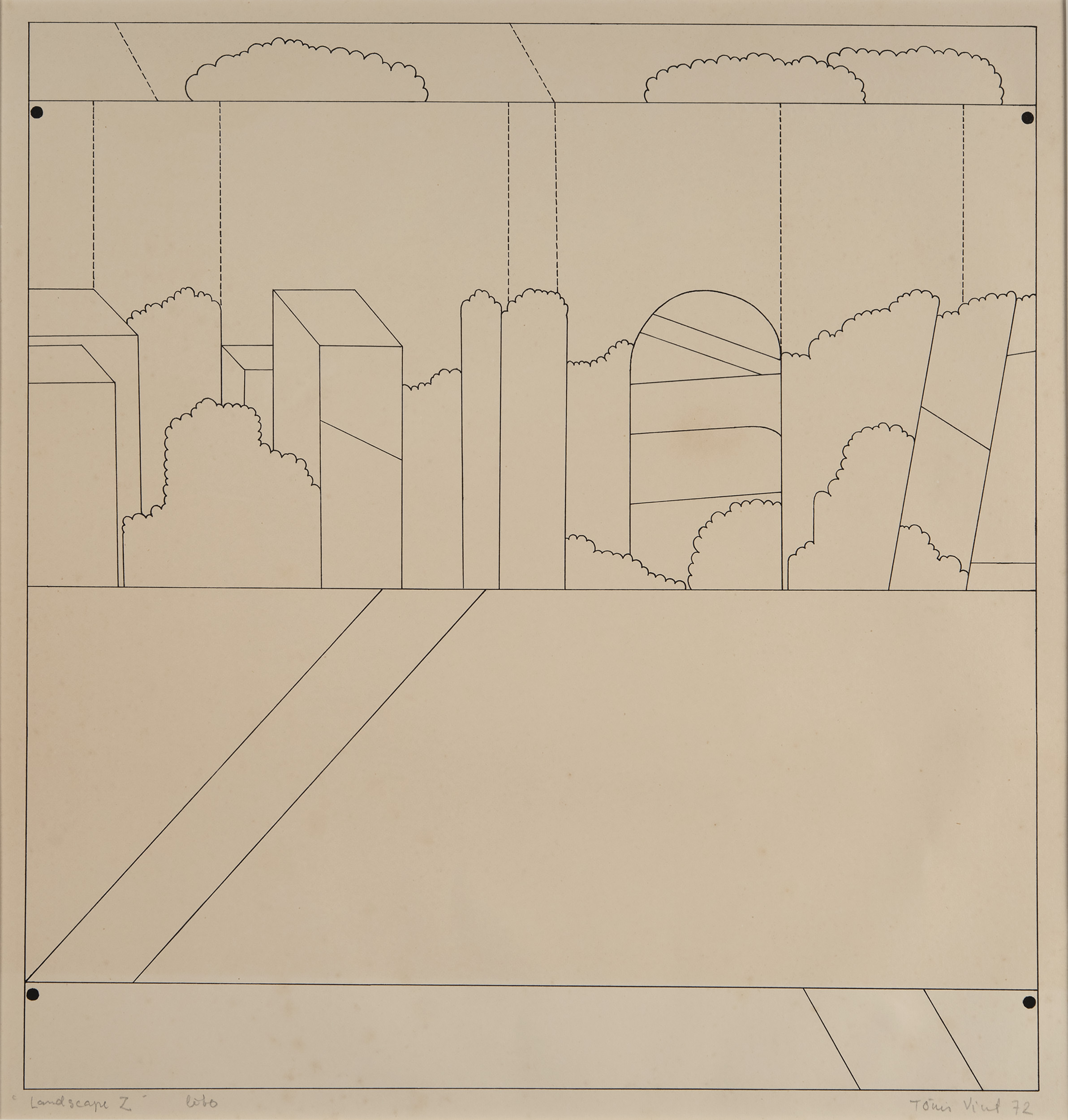
Landscape 2, 1972. Lithograph on paper, 64 × 60.5 cm (25 3/16 × 23 13/16 in.). Norton and Nancy Dodge Collection of Nonconformist Art from the Soviet Union. D02668
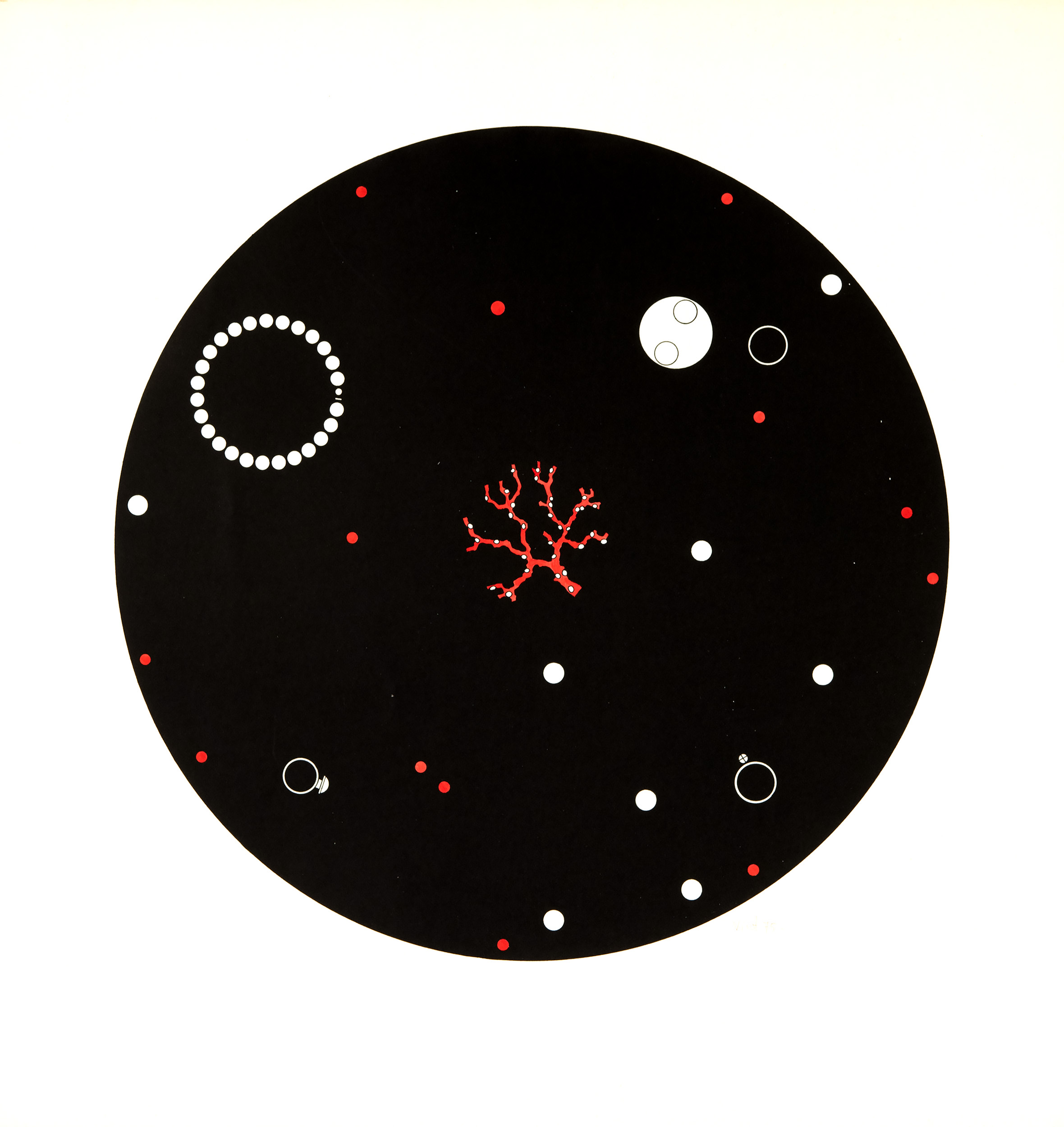
Magic Circle, 1975. Lithograph on paper, 62.8 × 58.8 cm (24 3/4 × 23 1/8 in.). Norton and Nancy Dodge Collection of Nonconformist Art from the Soviet Union. D02986
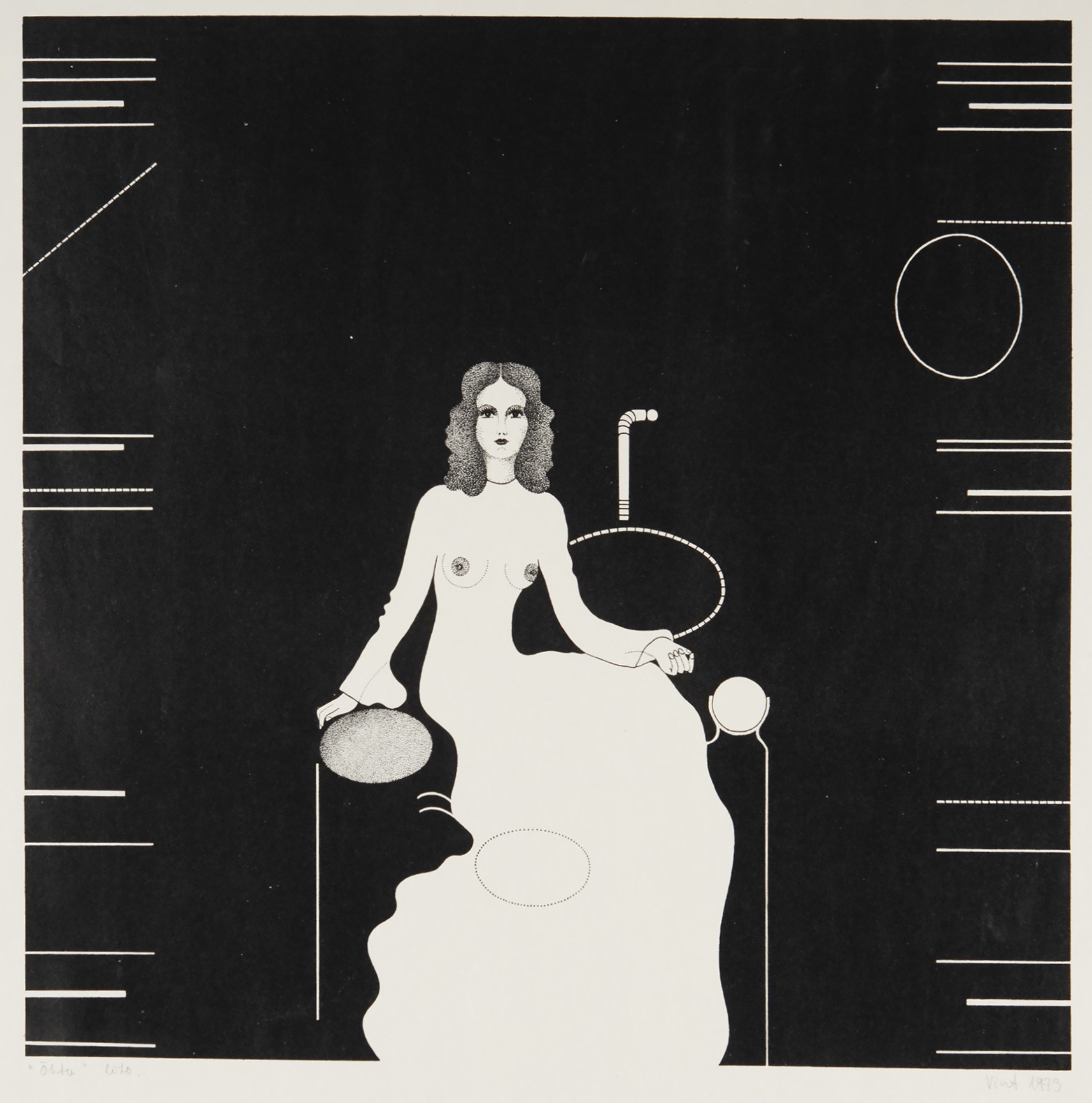
The Evening, 1973. Lithograph on paper, 42.9 × 43.1 cm (16 7/8 × 16 15/16 in.). Norton and Nancy Dodge Collection of Nonconformist Art from the Soviet Union. D02985
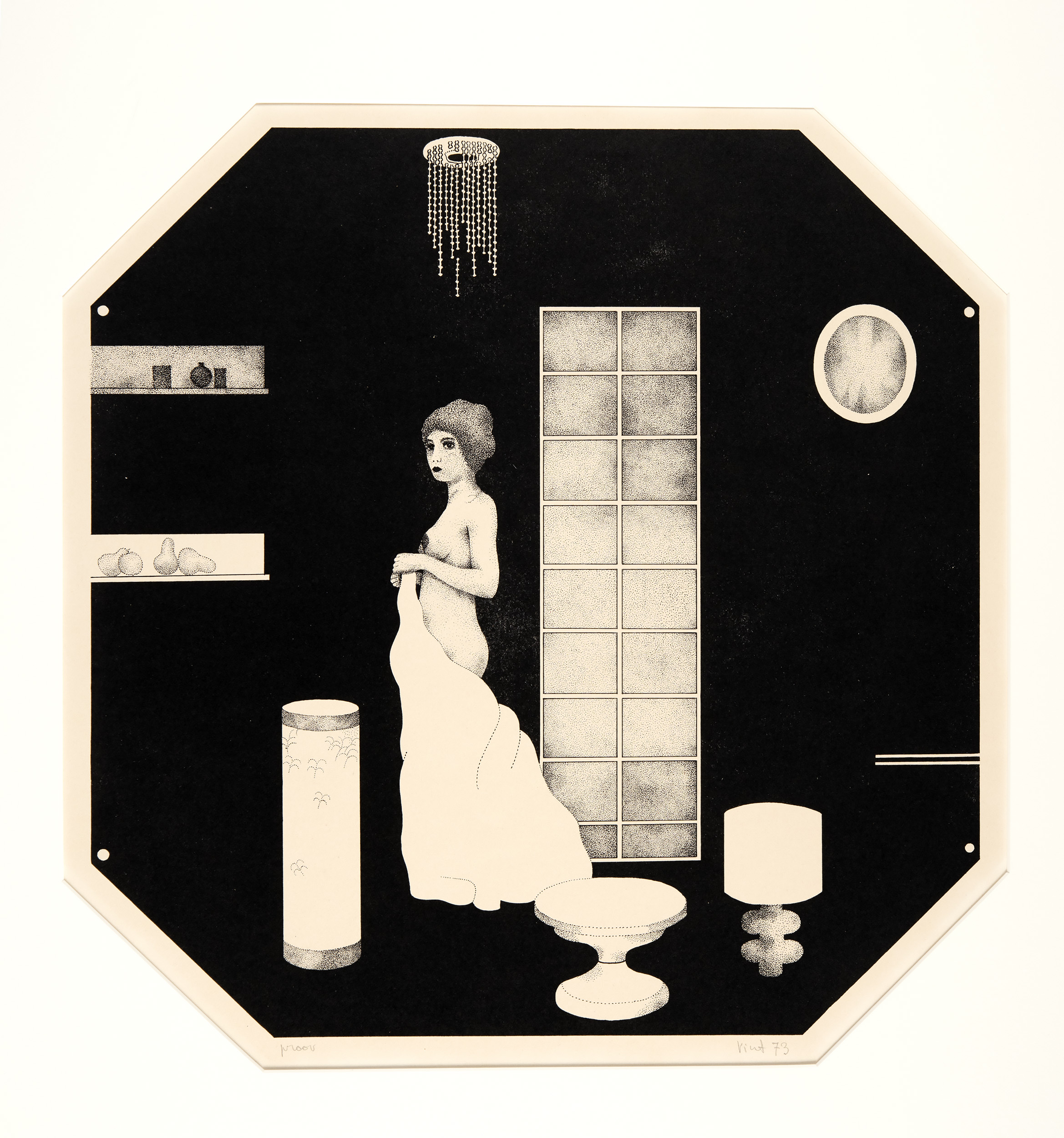
Room I, 1973. Lithograph on paper, 67 × 65 cm (26 3/8 × 25 9/16 in.). Norton and Nancy Dodge Collection of Nonconformist Art from the Soviet Union. D05637
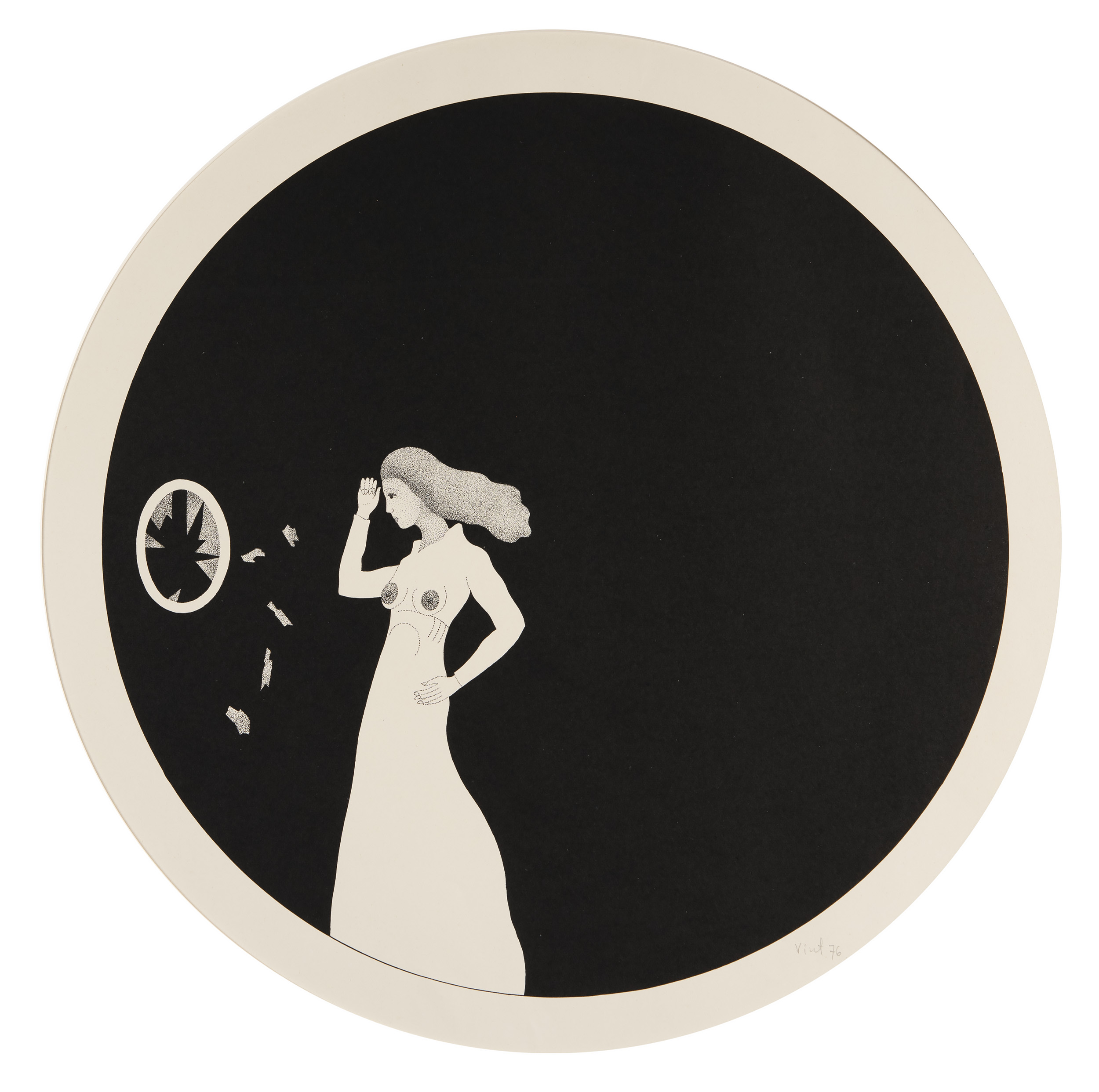
Mirror, 1976. Lithograph on paper, 46.2 × 46.2 cm (18 3/16 × 18 3/16 in.). Norton and Nancy Dodge Collection of Nonconformist Art from the Soviet Union. D07053
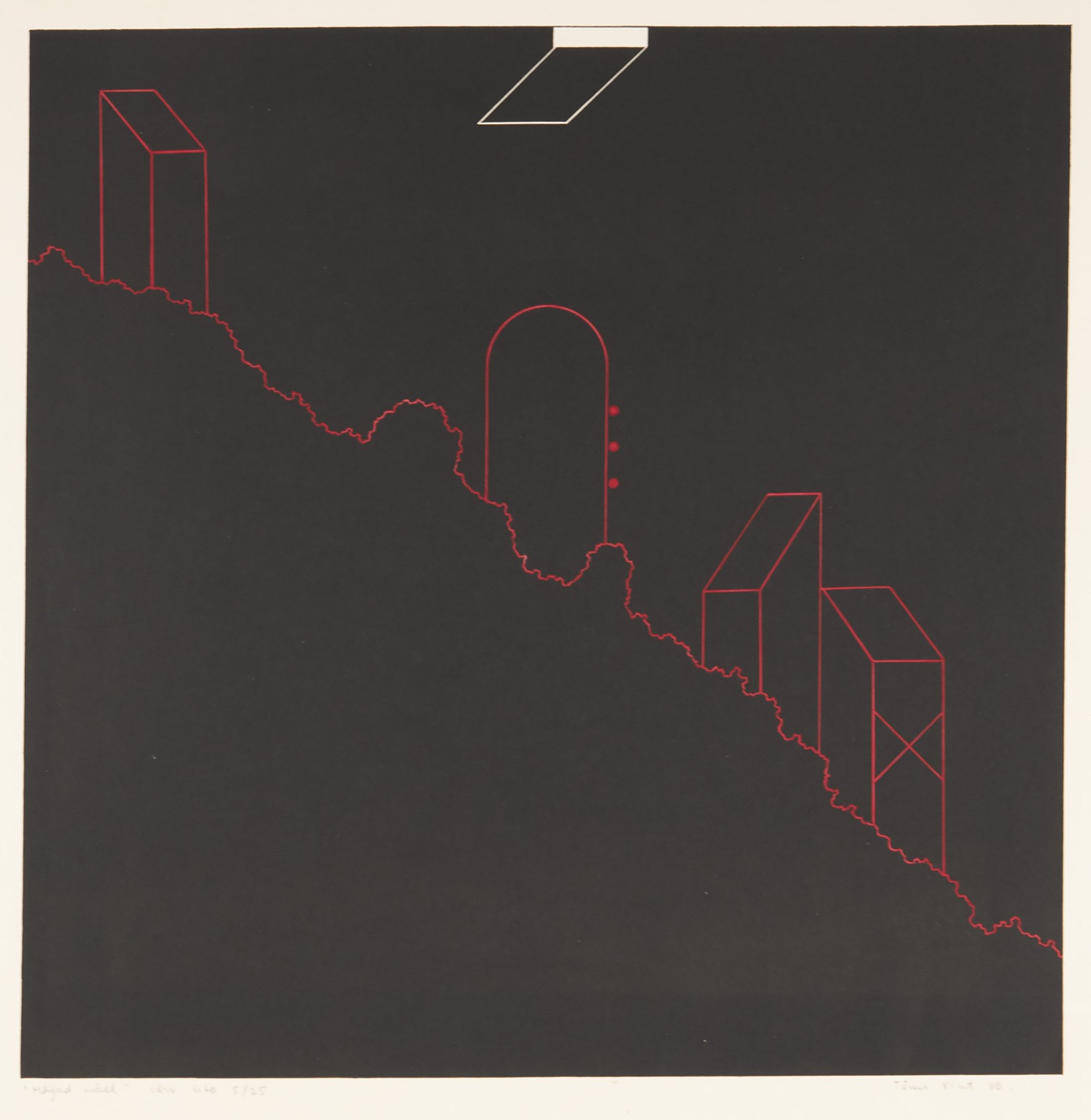
House on the Mountain Side, 1980. Gouache over lithograph on paper, 43.2 × 43.2 cm (17 × 17 in.). Norton and Nancy Dodge Collection of Nonconformist Art from the Soviet Union. D09549
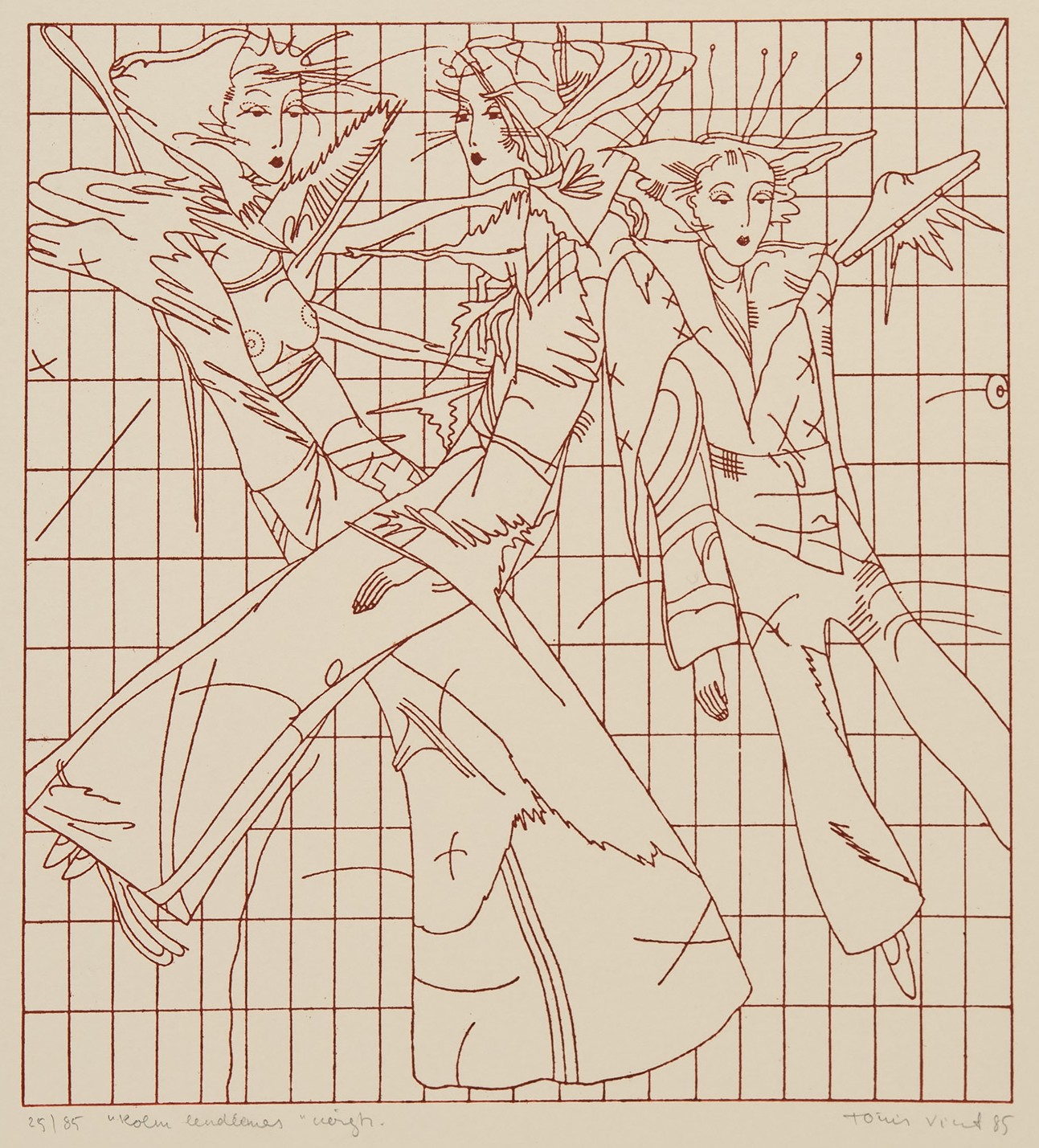
Three Flying, 1985. Relief print on paper, 23.9 × 21.9 cm (9 7/16 × 8 5/8 in.). Norton and Nancy Dodge Collection of Nonconformist Art from the Soviet Union. D08255