
03/12/2016 - 07/21/2016

1941 — Rapla county (Estonia). Works in Tallinn (Estonia)
Raul Meel was one of the more radical and experimental artists in Estonia during the 1970s. He is an autodidact, having no formal artistic education. His early works refer to Western conceptualism, an art style that was not accepted inside the Soviet system. His work was soon recognized even by other Estonian avant-garde artists as something very radical in the Soviet Estonian context.
For his earliest works from the 1960s, Meel used a typewriter to replace pictorial iconography with text. He applied seriality and repetition to his works—a trait of his oeuvre that has continued to this day. Some of his typewriter art can be compared to concrete poetry, which first emerged in 1950s Brazil, reaching great popularity in the 1960s, when Meel started what he called his “typewriter drawings.” Although he was not able to publish his manuscripts of typewriter art, he did exhibit them in a larger print format at unofficial exhibitions and gained recognition for them.
Meel studied electrical engineering in the Tallinn Polytechnic Institute (now Tallinn University of Technology) from 1959 to 1964. After his studies, he did obligatory military service from 1964 to 1967 in Severomorsk in Kola Peninsula, Russia. There, he discovered that the typewriter could be used to create images out of letters. The painter Toomas Vint, who served in the same unit with Meel, described these typewriter experiments as art.
In Soviet Estonia during the 1960s and 1970s, the more radically minded avant-garde artists aimed to deconstruct artistic traditions. They viewed painting as a restrictive medium, finding more freedom and possibilities for innovation in graphic arts. The influential artist and theorist Tõnis Vint served as something of a father figure for a diverse group of artists, who frequently met at his apartment to exchange ideas and listen to Vint’s lectures. From 1968 to 1972, Meel was a part of those gatherings, learning from and guided by Tõnis Vint. He opposed Vint’s philosophy of art and life, however, and the art historian Eha Komissarov has called him “the disobedient son.” [1]
While Meel’s lack of formal training may have contributed to his artistic freedom and radical abandonment of pictorialism, it also hindered his public activity. Unable to register himself as an artist or join the Union of Artists (he was accepted only in 1987), he could not buy art supplies or participate in official state-controlled exhibitions. Nevertheless, he was able to smuggle his art into nine international exhibitions between 1971 and 1974. His works were well received internationally and he was awarded prizes, but he could never actually receive them, fearing exposure for exhibiting in the West. Later on, as the Soviet state increasingly clamped down on cracks to the Western world, Meel and other artists in Estonia could no longer even send their works secretly to international exhibitions.
Meel was one of few Estonian artists in the 1970s to include social criticism in their artworks. Officially, one could not criticize the Soviet ideology. Using phrases from Soviet propaganda (such as those translating “Progress-Regress,” “I Give, I Take,” “I Share,” and “I Rule”), he critically reflected on their meaning.
In 1969 Meel created the first interactive artwork in Estonia. Täring 1–6 [Dice 1–6] consisted of six big dice that bore concrete poems on their sides instead of numbers and could be turned by the viewer to form different series of poems. Just as he had turned away from uniqueness and originality in his work, here he radically experimented with the relationship between the audience and the artwork, giving visitors freedom to touch and play and to create an artwork themselves—a radical idea even in the local artistic avant-garde circles.
During his early artistic period of the 1960s to 1980s, Meel worked at the Institute of Planning, Technology, and Design calibrating liquid gas tanks. This vocational background influenced his artistic practice in the 1970s and 1980s, when he incorporated into his creative work the diagrams and graphs familiar to him from his engineering experience. The series Taeva all [Under the Sky] (1973, ZAM, D03666, D00088), based on these technical diagrams or relay schemes, consists of about three thousand screenprints. Its blue-black-white color scheme alludes to the Estonian national flag—whose colors were forbidden under the Soviet regime. Similarly, a later serigraph series, Aknad ja maastikud [Windows and Landscapes] (1986–92), presents silhouettes of the map of Estonia behind bars.
The artist subsequently started using gridlike structures that place his works in the neo-avant-garde framework. He superimposed different grids to create movement, repetition, and endless abstract patterns, while maintaining lightness and finesse. In his series Muunded [Transformations] and Elumuunded [Transformations of Life] (1970s), for example, he used film to create airy, abstract forms.
Meel was in contact with the artists now called the Moscow Conceptualists and fostered a long-term friendly relationship with Ilya Kabakov. Though their artistic output differed significantly, they shared an interest in Western conceptualism. Meel’s connections with the Moscow Conceptualists were regarded suspiciously by the Soviet officials, and he fell under even closer supervision when it was alleged in 1976 that an official from the US embassy in Moscow had offered him an escape to the free world and he had refused.
After the collapse of the Soviet Union and the restoration of the independence of the Republic of Estonia in 1991, Meel could fully enjoy the recognition he deserved as an avant-garde icon. The decade of the 1990s was an active period for him, when he exhibited widely and reinterpreted and further experimented with his serial art. His series grew in scale and number of works. Meel also started arranging his previous serial works in monumental displays and began to publish his artist books and his autobiography. At the turn of the century, he became interested in shamanism and a mystical take on nature, presenting fire performances.
Ragne Soosalu
Photo portrait: Raul Meel, c. 1985–95. Photo by Endel Tammepõld. Art Museum of Estonia. EKM j 57503 FK 1627
Notes
1. E. Komissarov, R. Nukk, R., and R. Kelomees, eds., Dialoogid lõpmatusega [Dialogues with Infinity] (Tallinn: Art Museum of Estonia, 2014).
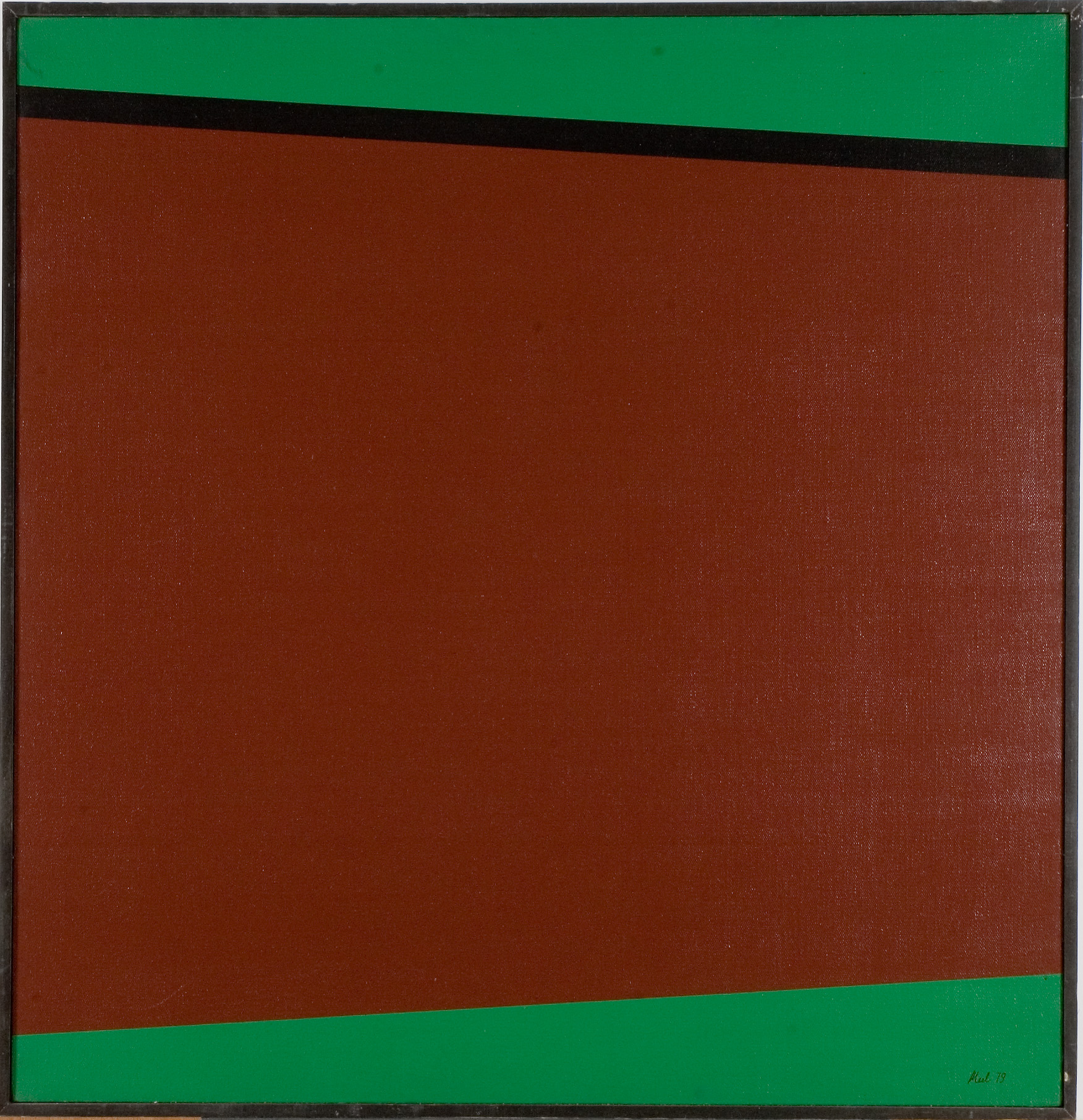
Traveling into the Green I from the series Traveling into the Green, 1973-1979. Acrylic on canvas, 103 × 100 cm (40 9/16 × 39 3/8 in.). Norton and Nancy Dodge Collection of Nonconformist Art from the Soviet Union. D05404.001
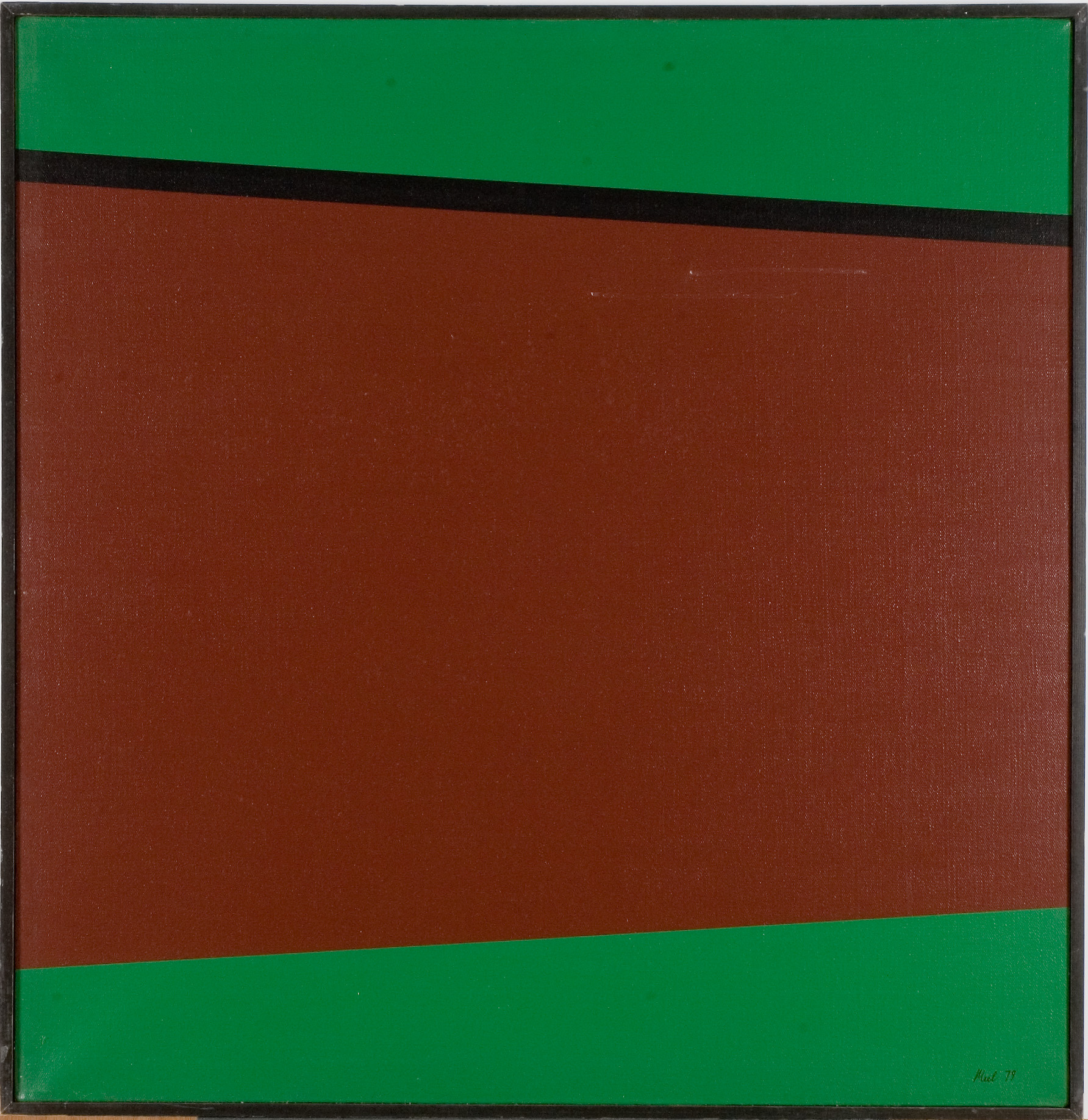
Traveling into the Green II from the series Traveling into the Green, 1973-1979. Acrylic on canvas, 103 × 100 cm (40 9/16 × 39 3/8 in.). Norton and Nancy Dodge Collection of Nonconformist Art from the Soviet Union. D05404.002
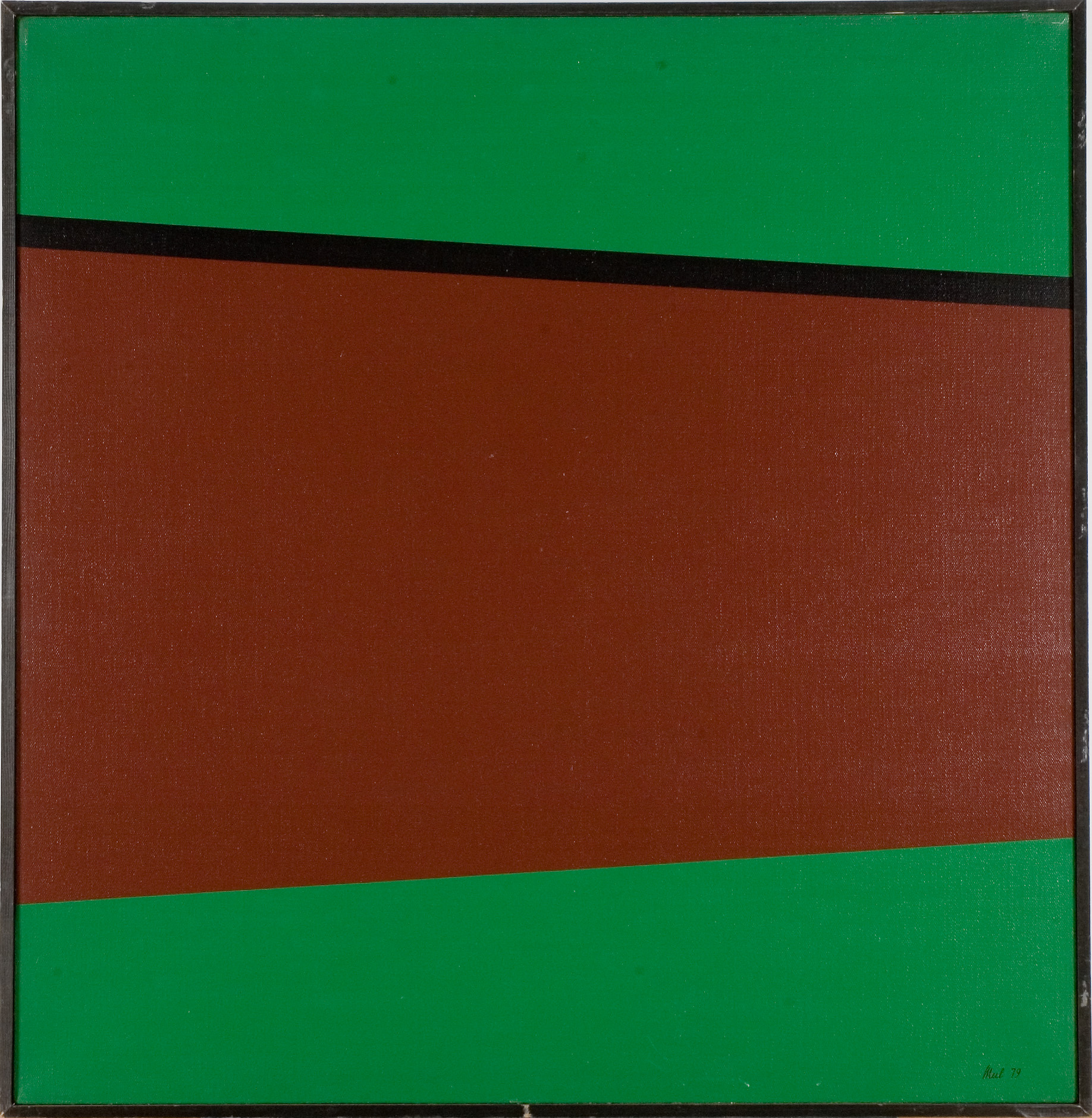
Traveling into the Green III from the series Traveling into the Green, 1973-1979. Acrylic on canvas, 103 × 100 cm (40 9/16 × 39 3/8 in.). Norton and Nancy Dodge Collection of Nonconformist Art from the Soviet Union. D05404.003
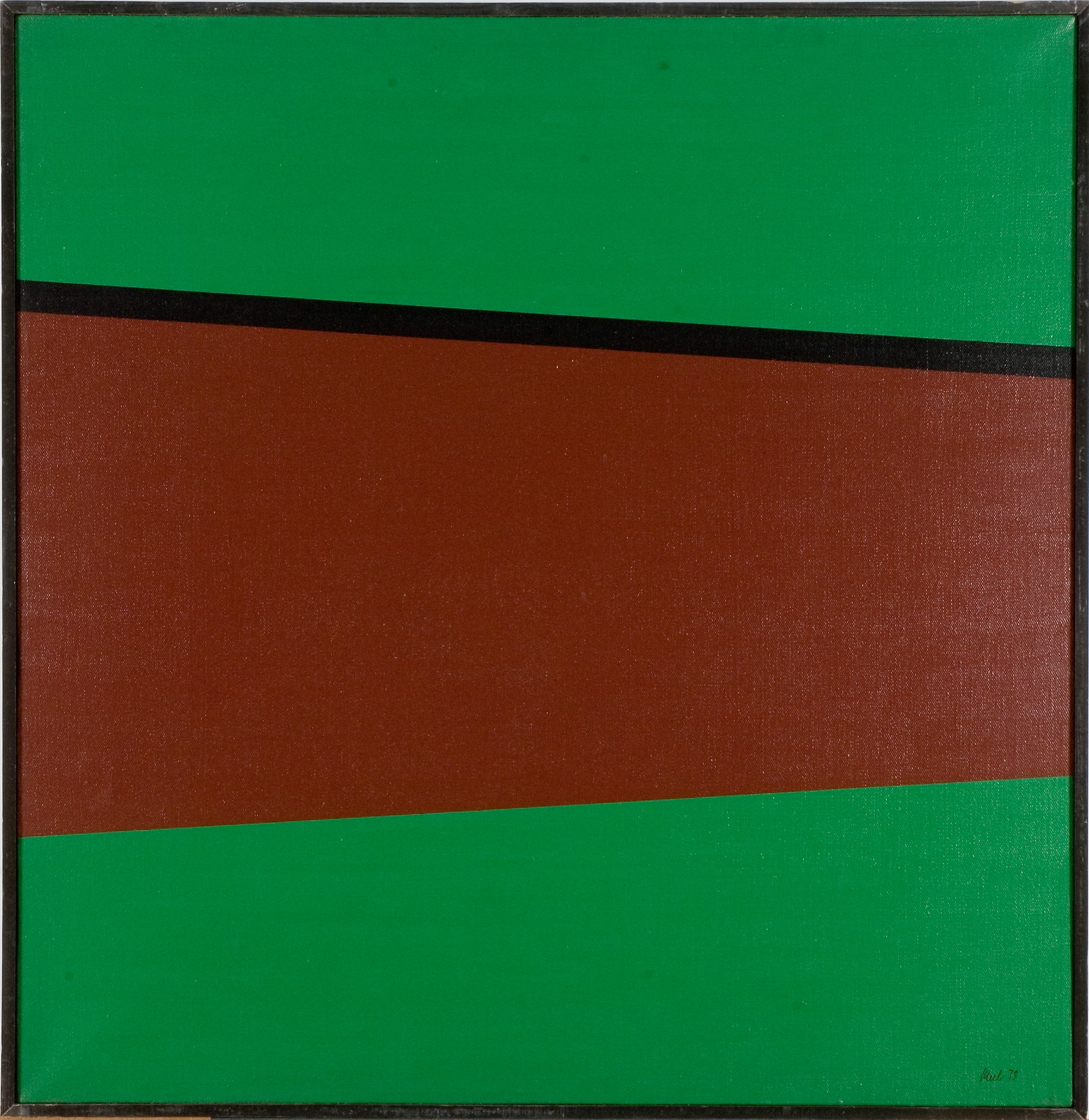
Traveling into the Green IV from the series Traveling into the Green, 1973-1979. Acrylic on canvas, 103 × 100 cm (40 9/16 × 39 3/8 in.). Norton and Nancy Dodge Collection of Nonconformist Art from the Soviet Union. D05404.004
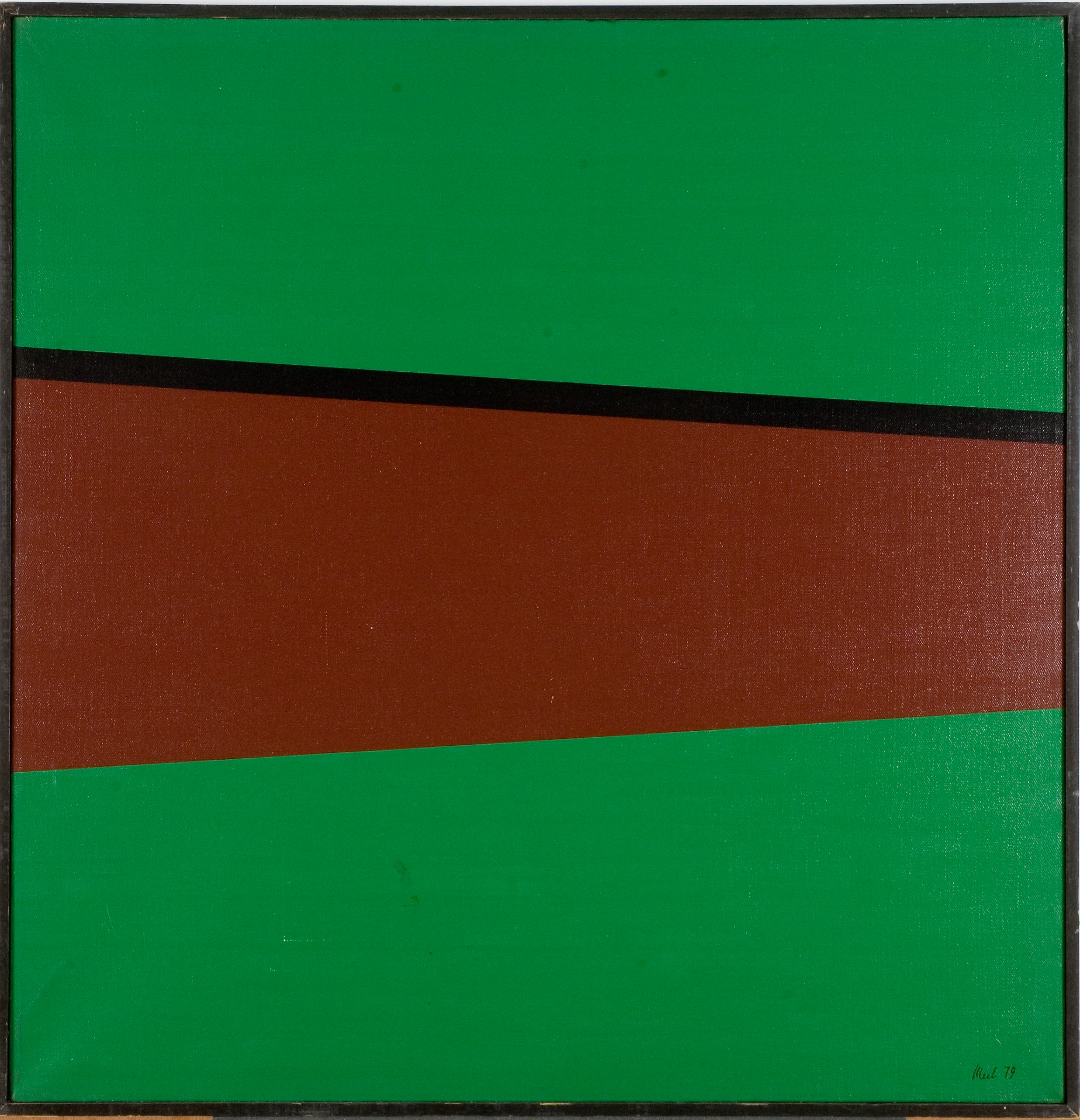
Traveling into the Green V from the series Traveling into the Green, 1973-1979. Acrylic on canvas, 103 × 100 cm (40 9/16 × 39 3/8 in.). Norton and Nancy Dodge Collection of Nonconformist Art from the Soviet Union. D05404.005
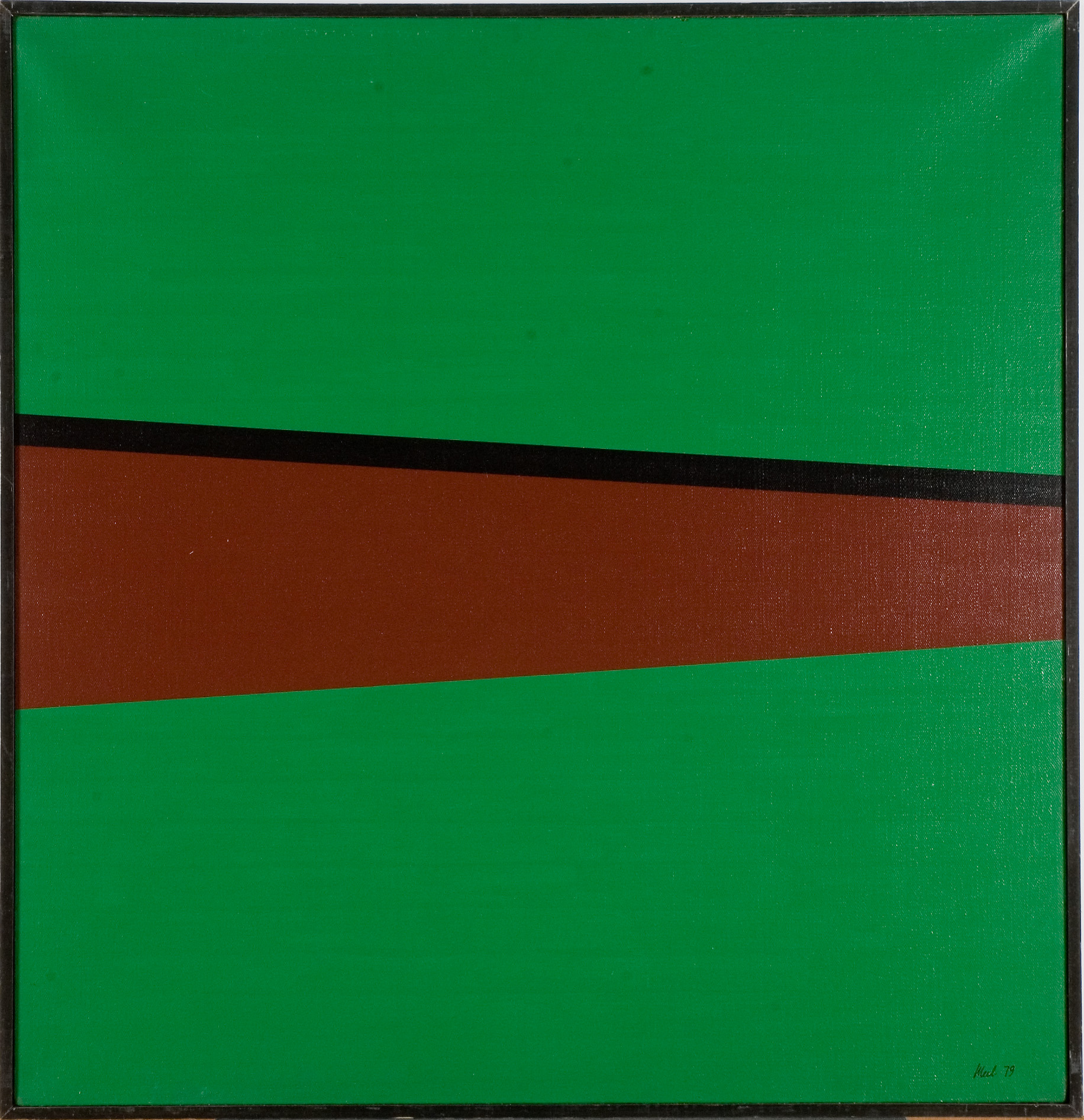
Traveling into the Green VI from the series Traveling into the Green, 1973-1979. Acrylic on canvas, 103 × 100 cm (40 9/16 × 39 3/8 in.). Norton and Nancy Dodge Collection of Nonconformist Art from the Soviet Union. D05404.006

Traveling into the Green VII from the series Traveling into the Green, 1973-1979. Acrylic on canvas, 103 × 100 cm (40 9/16 × 39 3/8 in.). Norton and Nancy Dodge Collection of Nonconformist Art from the Soviet Union. D05404.007
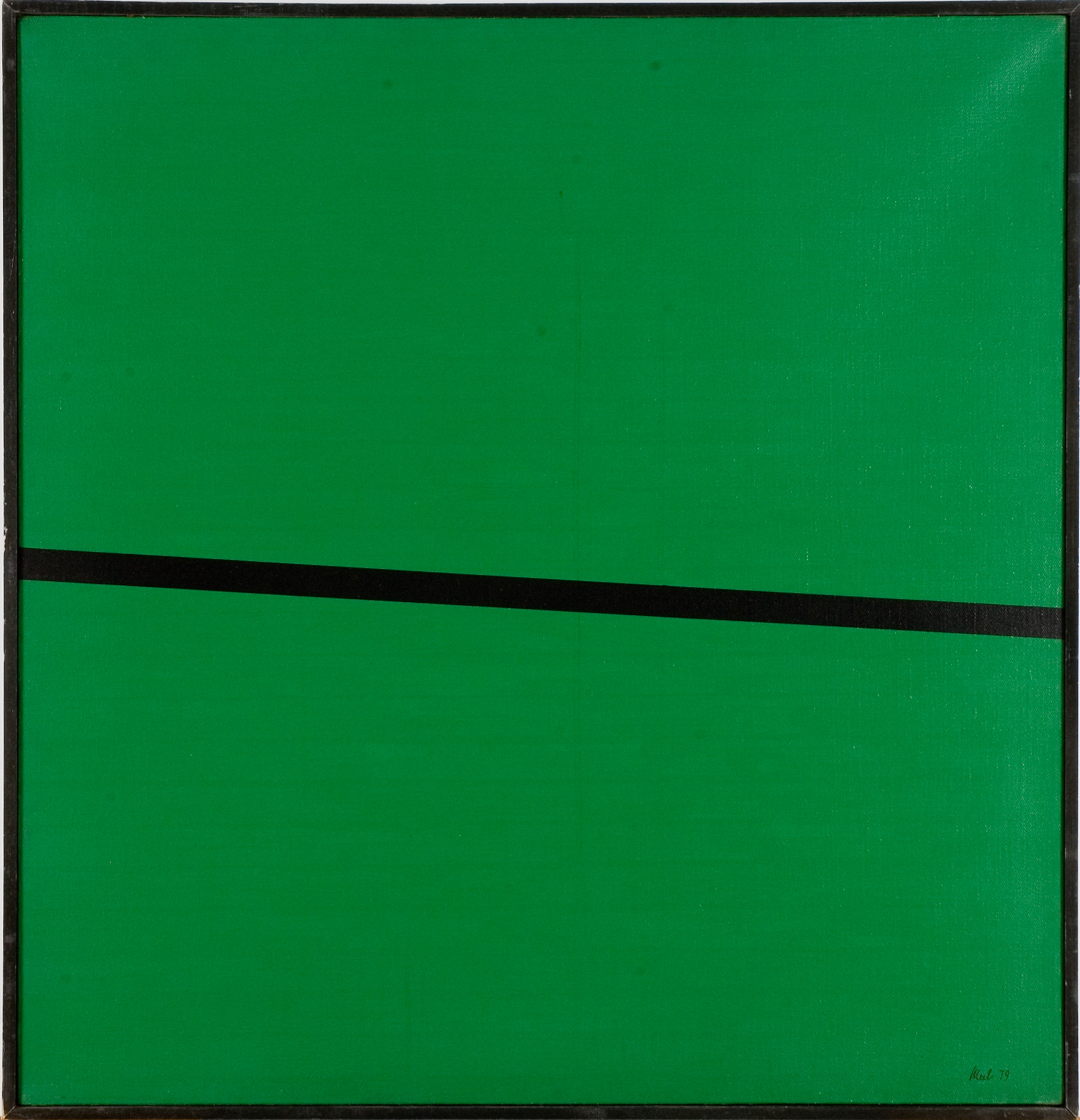
Traveling into the Green VIII from the series Traveling into the Green, 1973-1979. Acrylic on canvas, 103 × 100 cm (40 9/16 × 39 3/8 in.). Norton and Nancy Dodge Collection of Nonconformist Art from the Soviet Union. D05404.008
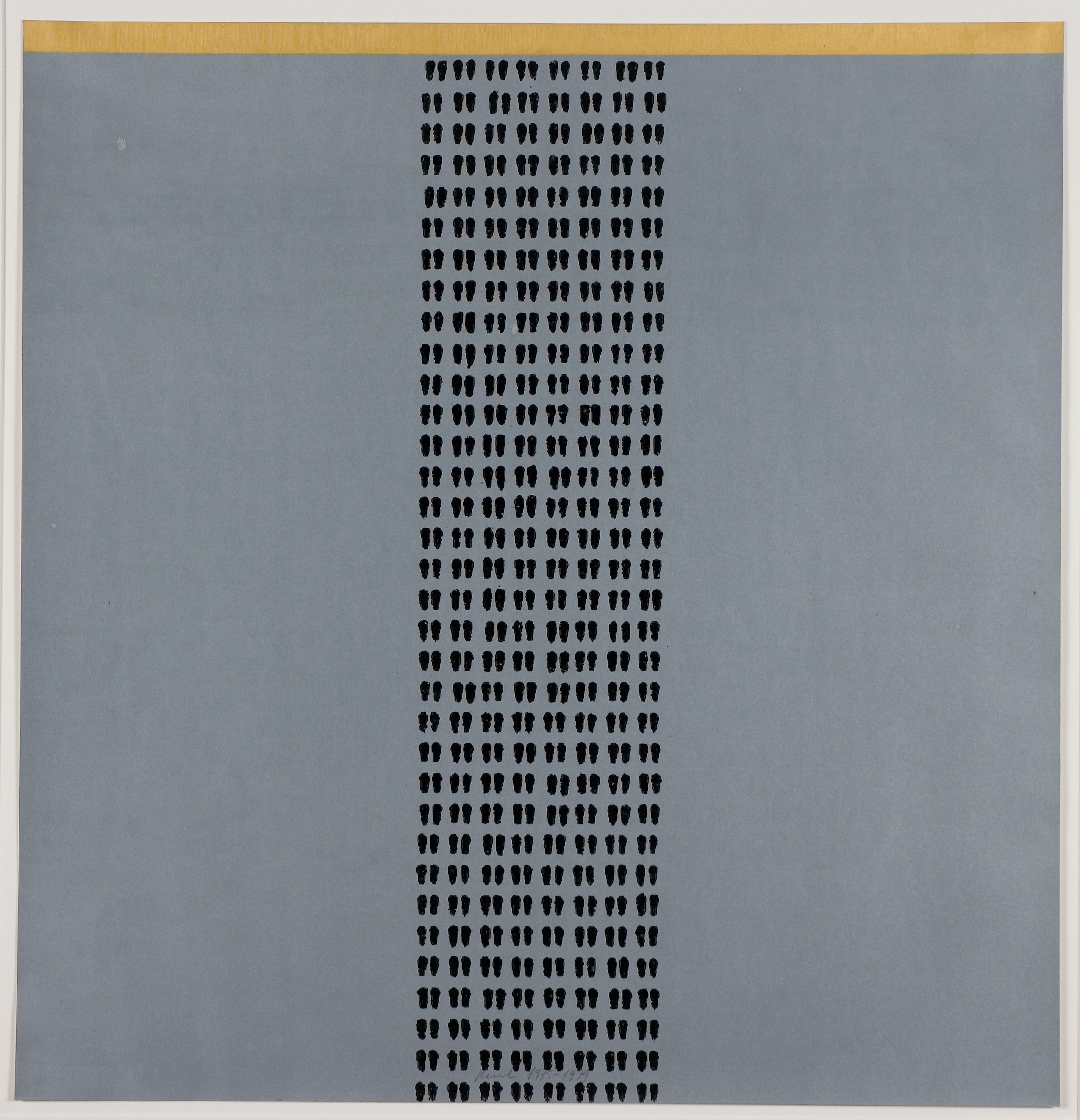
Gold Rush V, 1975-1979. Screenprint on paper, 61.5 x 59.5 cm (24 3/16 x 23 7/16 in.). Norton and Nancy Dodge Collection of Nonconformist Art from the Soviet Union. D06855
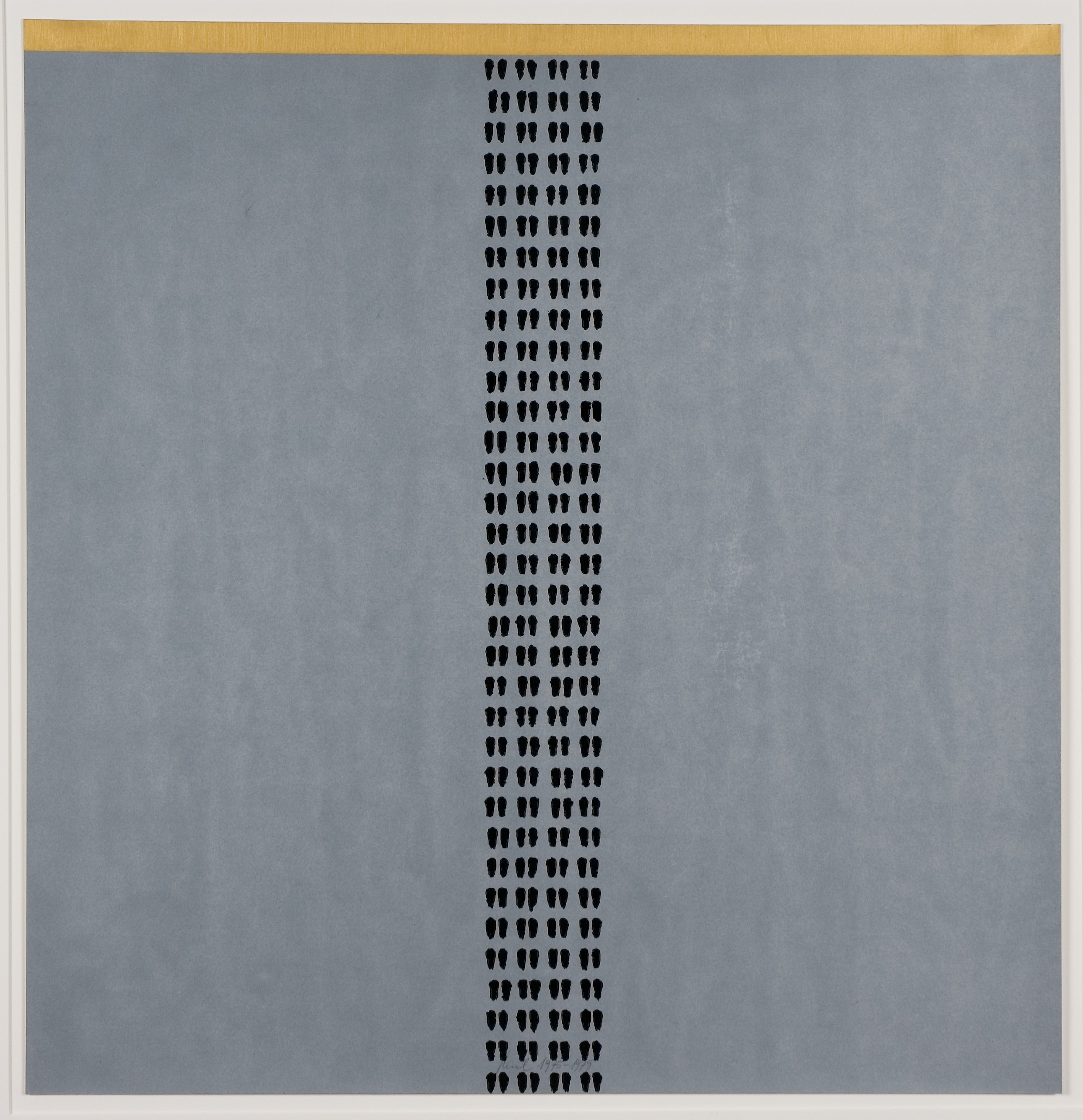
Gold Rush IV, 1975-1979. Screenprint on paper, 61.8 × 59.8 cm (24 5/16 × 23 9/16 in.). Norton and Nancy Dodge Collection of Nonconformist Art from the Soviet Union. D06856
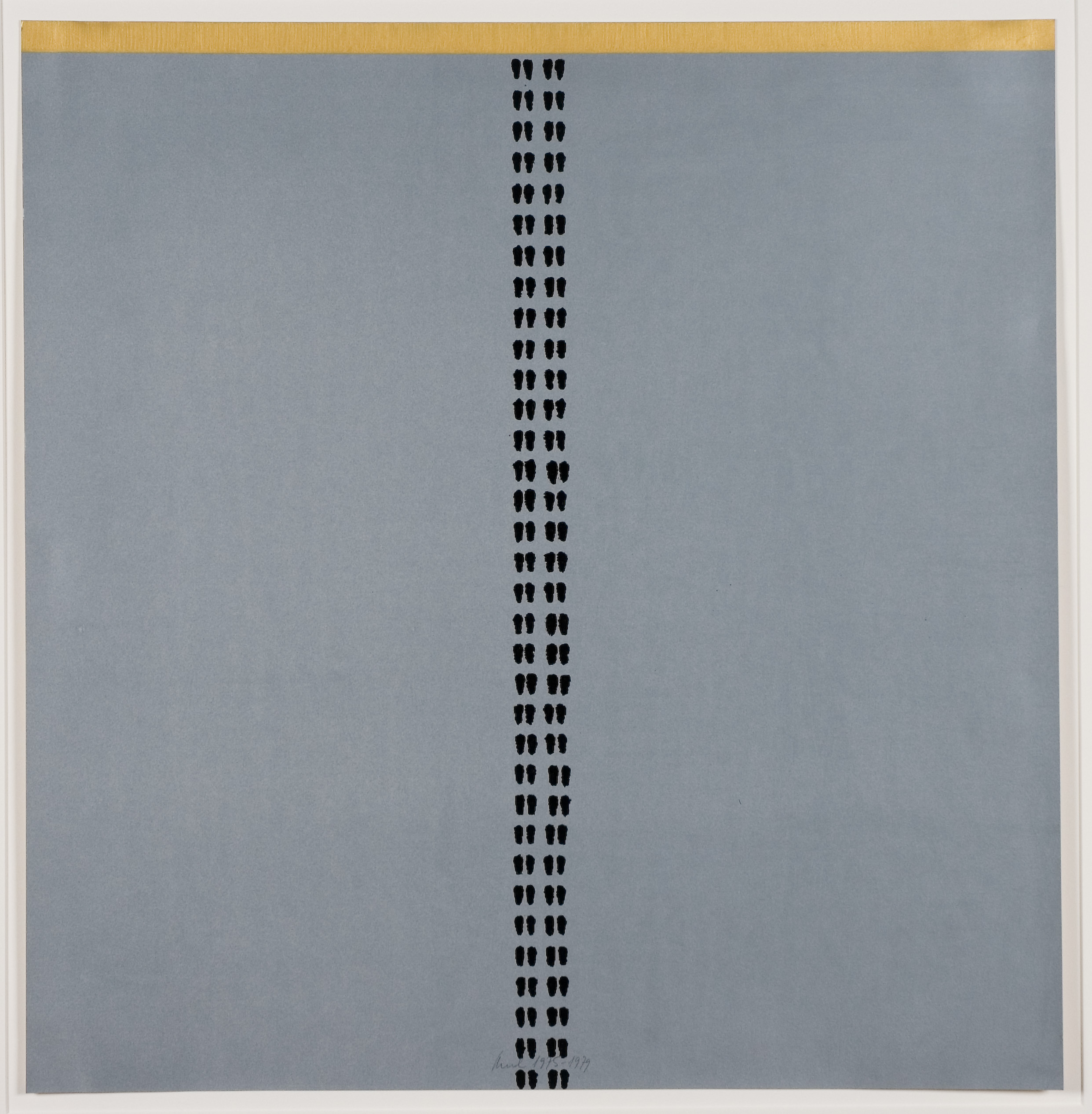
Gold Rush III, 1975-1979. Screenprint on paper, 61.9 × 59.7 cm (24 3/8 × 23 1/2 in.). Norton and Nancy Dodge Collection of Nonconformist Art from the Soviet Union. D06857
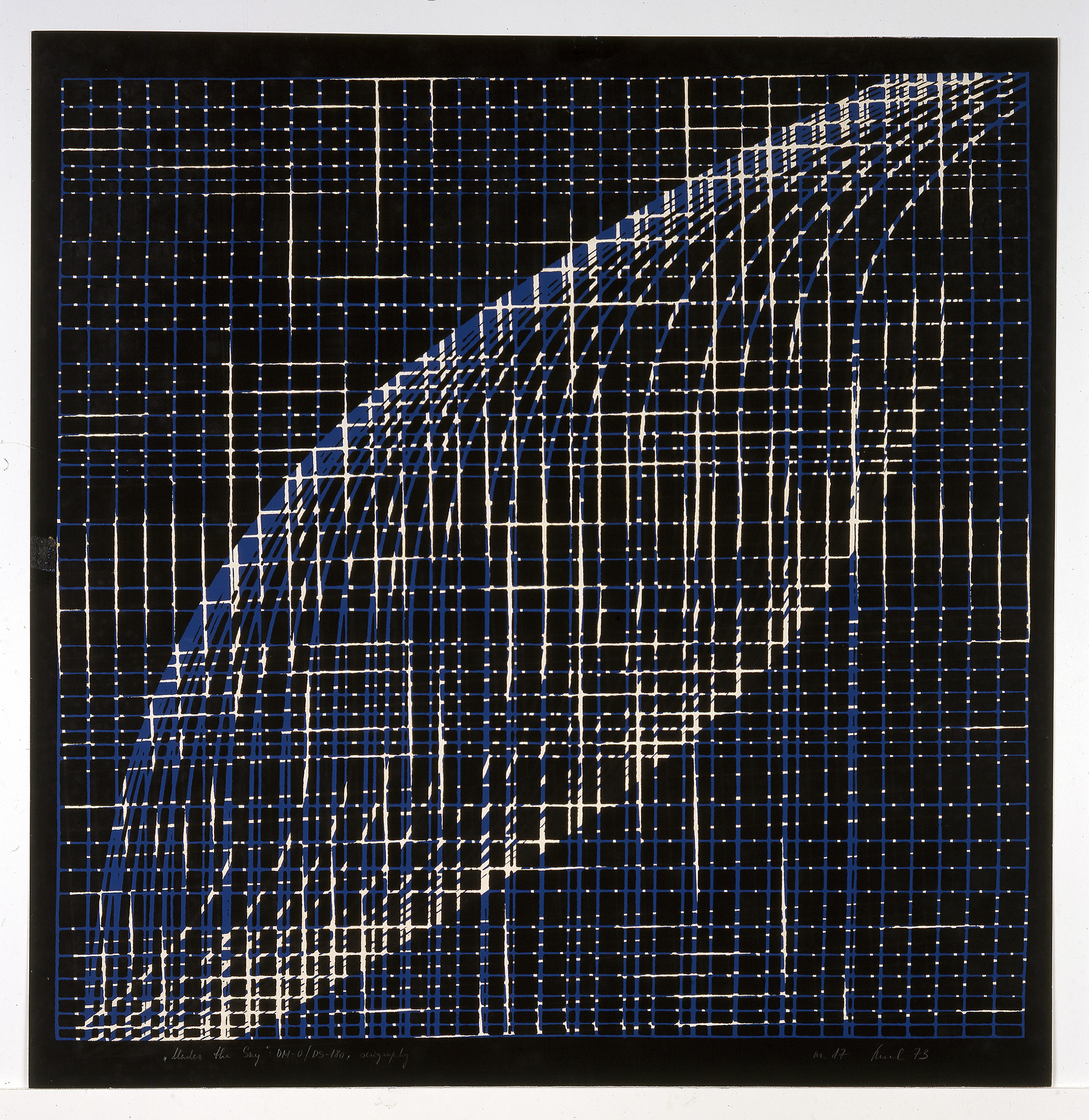
Under the Sky, 1973. Color screenprint on paper, 62 × 61 cm (24 7/16 × 24 in.). Norton and Nancy Dodge Collection of Nonconformist Art from the Soviet Union. D03666
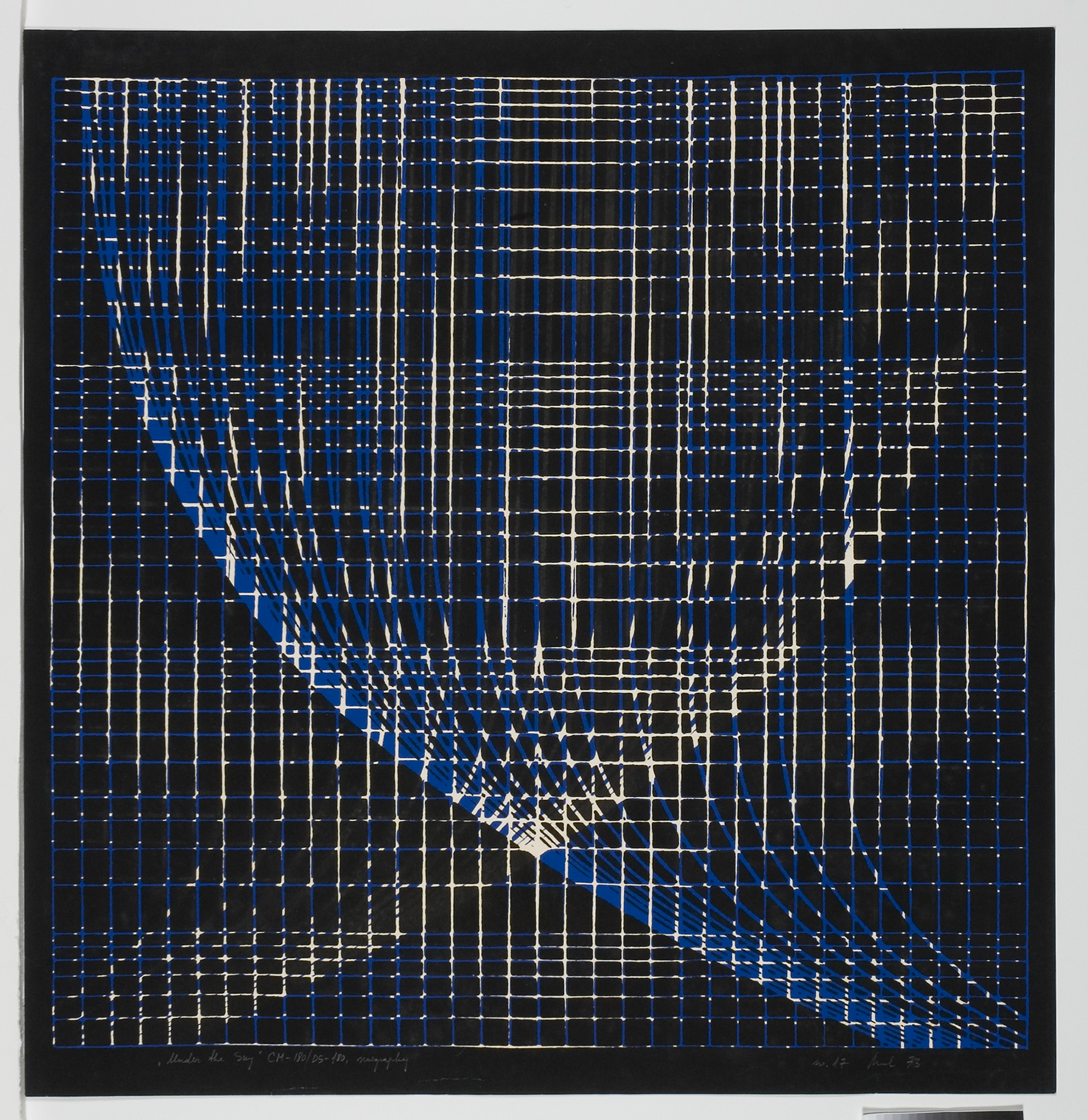
Under the Sky, 1973. Color screenprint on paper, 62 × 61 cm (24 7/16 × 24 in.). Norton and Nancy Dodge Collection of Nonconformist Art from the Soviet Union. D00088
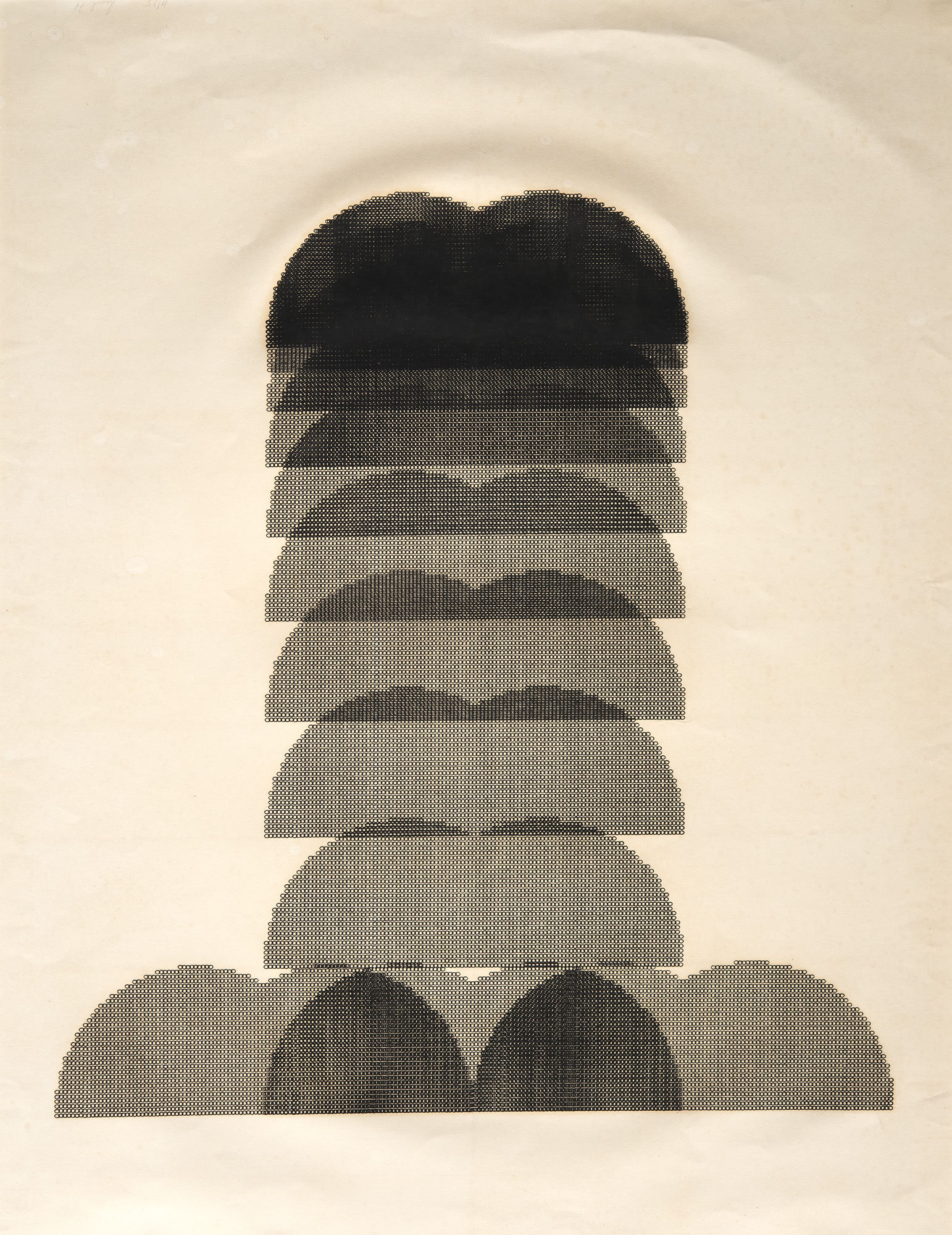
(Untitled), 1971. Screenprint, 82 × 66 cm (32 5/16 × 26 in.). Norton and Nancy Dodge Collection of Nonconformist Art from the Soviet Union. D06950
Selected Exhibitions
1970 Cafe Pegasus, Tallinn (solo)
1971 Ljubljana Biennial of Graphic Arts, Slovenia
1972 Venice Biennale, satellite print art exhibition, Italy
1979 World Art Competition: New Talent and Ideas, Boston, USA
1989 Art Museum of Estonia (solo)
1994 Raul Meel and Leonhard Lapin, Musée Matisse, Nice, France
1995 From Gulag to Glasnost: Nonconformist Art from the Soviet Union, Zimmerli Art Museum, Rutgers University, USA
2000 Realities and Utopias, Zimmerli Art Museum, Rutgers University, USA
2004 Ilja & Emilia Kabakov and Raul Meel, Tallinn Art Hall
2014 Raul Meel: Dialogues with Infinity, Kumu Art Museum, Tallinn, retrospective
2022 Mõtlevad pildid [Thinking Pictures], Kumu Art Museum, Tallinn
Selected Publications
Canwell, J. “System, Terminus and Time: The Mystical Art of Raul Meel.” Zimmerli Journal, no. 4 (Fall 2006): 88–103.
Komissarov, E., R. Nukk, R., and R. Kelomees, eds., Raul Meel: Dialoogid lõpmatusega / Raul Meel: Dialogues with Infinity. Tallinn: Art Museum of Estonia, 2014.
Meel, Raul. Minevikukonspekt [Conspectus of the Past]. Tallinn, 2002. Artist’s autobiography.
Meel, Raul. Kana lendab [Chicken Flying]. Tallinn: Tuum, 2004. Book of visual and sound poetry.
Turine, R. P. Pour saluer Raul Meel: d’Art et d’Estonie. Alentours: Editions Tandem, 1993.
