
Peeter Ulas
1934 — Tallinn (Estonia) | 2008 —Tallinn (Estonia). Worked in Tallinn (Estonia)
Peeter Ulas was born in Tallinn, in the suburb of Nõmme, on April 7, 1934. His siblings have recalled how they survived the horrors of World War II bombings and the fears of deportation as young children. In 1952, at the end of the Stalinist era, Ulas graduated from the High School No. 10 and started studying ceramics at the State Art Institute of the Estonian SSR (now the Estonian Academy of Arts). He changed his area of specialization after the first year to printmaking, but under the Soviet regime, he was not allowed to carry out the rough and expressive plywood prints he had originally planned as his graduation work. A great influence on his career was the 1959 trip he took soon after his graduation to the Russian part of Karelia with Herald Eelmaa, a fellow printmaker. These were followed by trips to Moldova in 1961 and to the Kola Peninsula in 1964. After graduation in 1959, Ulas was active as a freelance artist, participating in his first youth exhibition the same year. He also started making caricatures for the humor magazine Pikker. In 1963 Ulas began a thirty-five-year career at the Tallinn Pedagogical Institute (currently Tallinn University), becoming a lecturer in 1973 and a professor in 1992 before serving as head of the Art Department from 1994 to 1998.
Like many young artists of the time who fought against the restrictions and requirements of socialist realism that they had been taught, Ulas went through a period of modernist explorations. His earliest severe-style works are reminiscent of the linocut maps by the students and teachers of the Pallas Higher Art School in the 1920s. His preferred techniques, from linocut and plywood prints to lithography, complemented the roughness and expressiveness of his works (e.g. Excavator, 1965; Restaurant, 1968). In the 1960s Ulas was already called the “postwar Kristjan Raud,” referring to a celebrated artist from the first half of the twentieth century, and his reputation only grew in subsequent years. In 1968, less than a decade after graduation, Ulas won the main prize at the first Tallinn Printmaking Triennial and was recognized with second prizes or special prizes in the following five triennials.
In the 1970s Ulas’s works moved away from expressionism, becoming lighter and increasingly dreamlike, many associated with surrealism (e.g. Waves on the Parquet, 1979). He also started using “softer” techniques such as mezzotint and especially soft-ground etching, sometimes introducing embossing, as in Snowfall in the City (1980). Distorted urban elements increasingly replaced his earlier focus on nature in works such as Interior (1971), Building (1973), and The Plaza (1980), although the latter subject matter did not completely disappear (e.g. Distant Arch, 1977). In addition to his printmaking, Ulas was an accomplished draftsman, using mainly pastels and charcoal. In 1976 he was named the Merited Artist of the Estonian SSR.
In the following decade, Ulas had solo exhibitions at both the Art Museum of Estonia (1981) and the Tartu Art Museum (1983) and saw the publication of a book about his oeuvre by the noted art historian Boris Bernstein (1984). In the 1980s he also turned back to nature subjects and started making “epic landscapes,” large compositions incorporating images printed from numerous smaller plates. The component images appear in different vertical arrangements of bars or registers, with some printed in different colors or even embossed. These works were inspired by a Mark Rothko exhibition at the Guggenheim Museum that Ulas saw in 1978 during the trip he made to North America with his wife. In 1983 he received the Kristjan Raud Prize for the 1982 prints Airs, Airs, Airs and Airs, Lands and Waters. During the same years, he made the series Festive Prints, whose almost-black bands suggest exaltations of night.
Ulas was one of the founding members of the surrealist artists’ group PARA ’89 [1] and participated in its original exhibitions, including the 1993 group show at the Södertälje Konsthall in Sweden. The art historian Mai Levin has said that works by Ulas, Jüri Palm, and Elo Järv formed the most surrealist part of the exhibition [2]. Although printmaking fell out of fashion in the 1990s in Estonia, five collections of reproductions of bookplates and drawings by Ulas were published by the art collector Mart Lepp during the decade. From 1998 Ulas started making increasingly abstract compositions consisting of small, nonrectangular etched or drypoint plates in different soft colors. Most of these works were individual unique prints rather than editions. Ulas intentionally avoided symmetrical abstraction and sought organic forms. In the 2000s, he was recognized with the Eduard Wiiralt Prize (2004) and the Estonian State Cultural Award (2005, for the overview exhibition The Story of the Growing Shapes).
In addition to being a printmaker, Ulas was active as an illustrator, focusing extensively on Estonian folktales and literary mythology, starting with Eno Raud’s 1960 children’s adaptation of stories from the Estonian national epic, Kalevipoeg. Ulas primarily illustrated works collected or written in the nineteenth century by such Estonian writers as Friedrich Reinhold Kreutzwald, Friedrich Robert Faehlmann, and Jakob Hurt. His most notable illustrations were for the 1986 publication of Kreutzwald’s Paristaja-poeg, where he successfully managed to introduce a contemporary colorful and expressive approach that departed from the usual illustrative style for folktales or, indeed, children’s books. For this, he was awarded the 1987 Jaan Jensen Book Design Award for children’s illustration. Over the years, he mostly illustrated fiction (by August Kitzberg, Jüri Parijõgi, Andres Vanapa, Eduard Vilde) and poetry (by Alexander Blok, Jaan Kaplinski, Debora Vaarandi).
Boris Bernstein concluded his overview of Ulas: “We have somebody who is spontaneously, primally, naively shocked by the miracle of being, the abundance and significance of life; somebody who infects us with a feeling of partaking in the general fermentation of life, thereby fulfilling an important artistic mission.” [3]
Peeter Ulas died on December 15, 2008, in Tallinn. He was married to fellow printmaker Concordia Klar (1938–2004). Their daughter, Maria-Kristiina Ulas (b. 1965), also became a printmaker.
Peeter Talvistu
Photo portrait: Peeter Ulas, c. 1970. Photo by Rein Maran. Art Museum of Estonia
Notes
1. After a call for rehabilitating surrealism by Ilmar Malin, the group was founded in Tallinn on May 19, 1989. It included artists from both Tartu and Tallinn, with Ulas being a representative of the latter. After a brief intensive period of group exhibitions, the activities of the group became less frequent. Ilmar Malin’s death in 1994 can be seen as the end of its existence, although the latter’s son, Jaan Malin, tried to revive it in the 2000s.
2. Mai Levin, ed., Peeter Ulas: Ühe põhjamaa kunstniku fantaasialend (Tallinn: Maria-Kristiina Ulas, 2015), 90.
3. Boris Bernstein, Peeter Ulas (Tallinn: Kunst, 1984), 39.
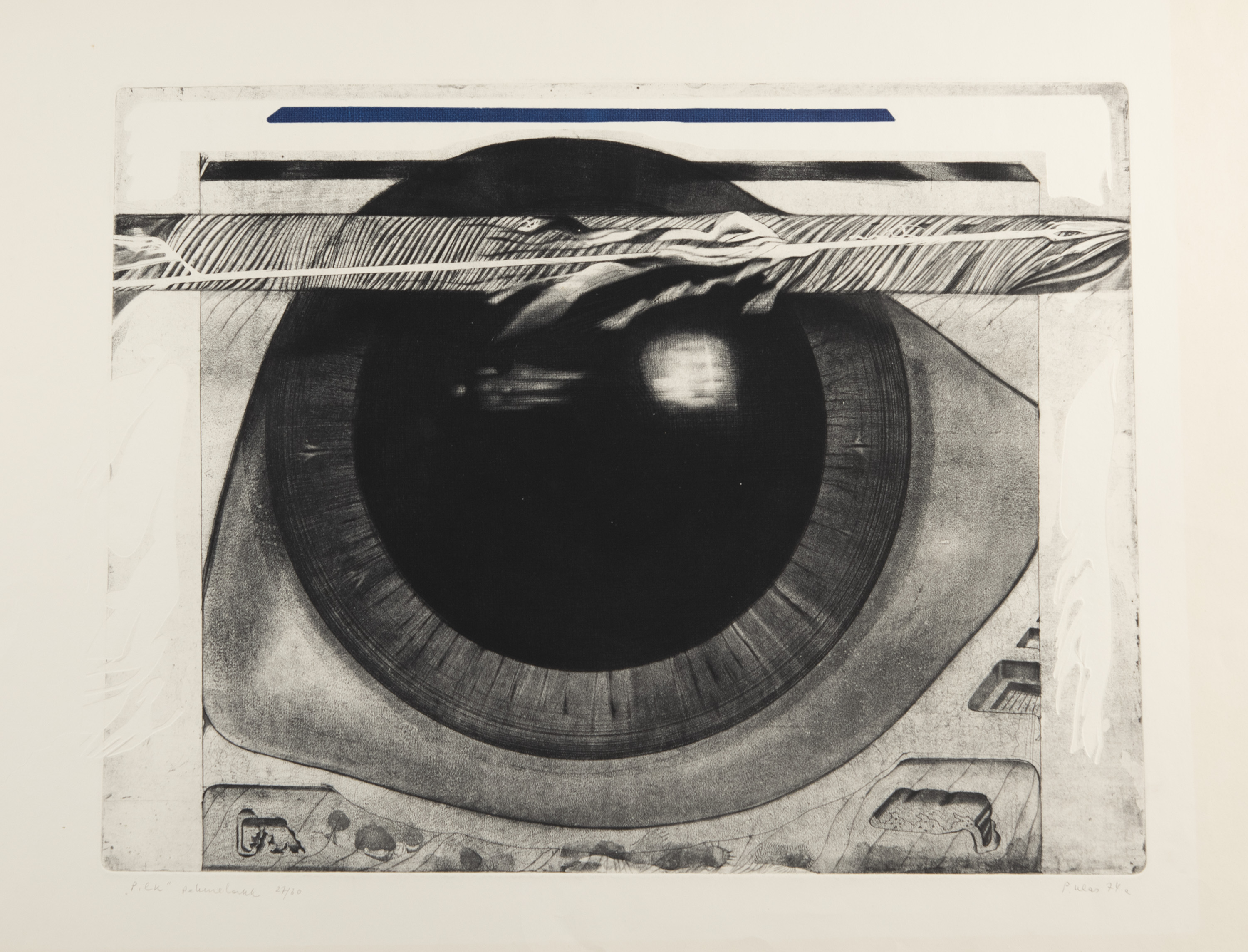
Look, 1974. Soft-ground etching on paper, 49.9 × 64.5 cm (19 5/8 × 25 3/8 in.). Norton and Nancy Dodge Collection of Nonconformist Art from the Soviet Union. D02505
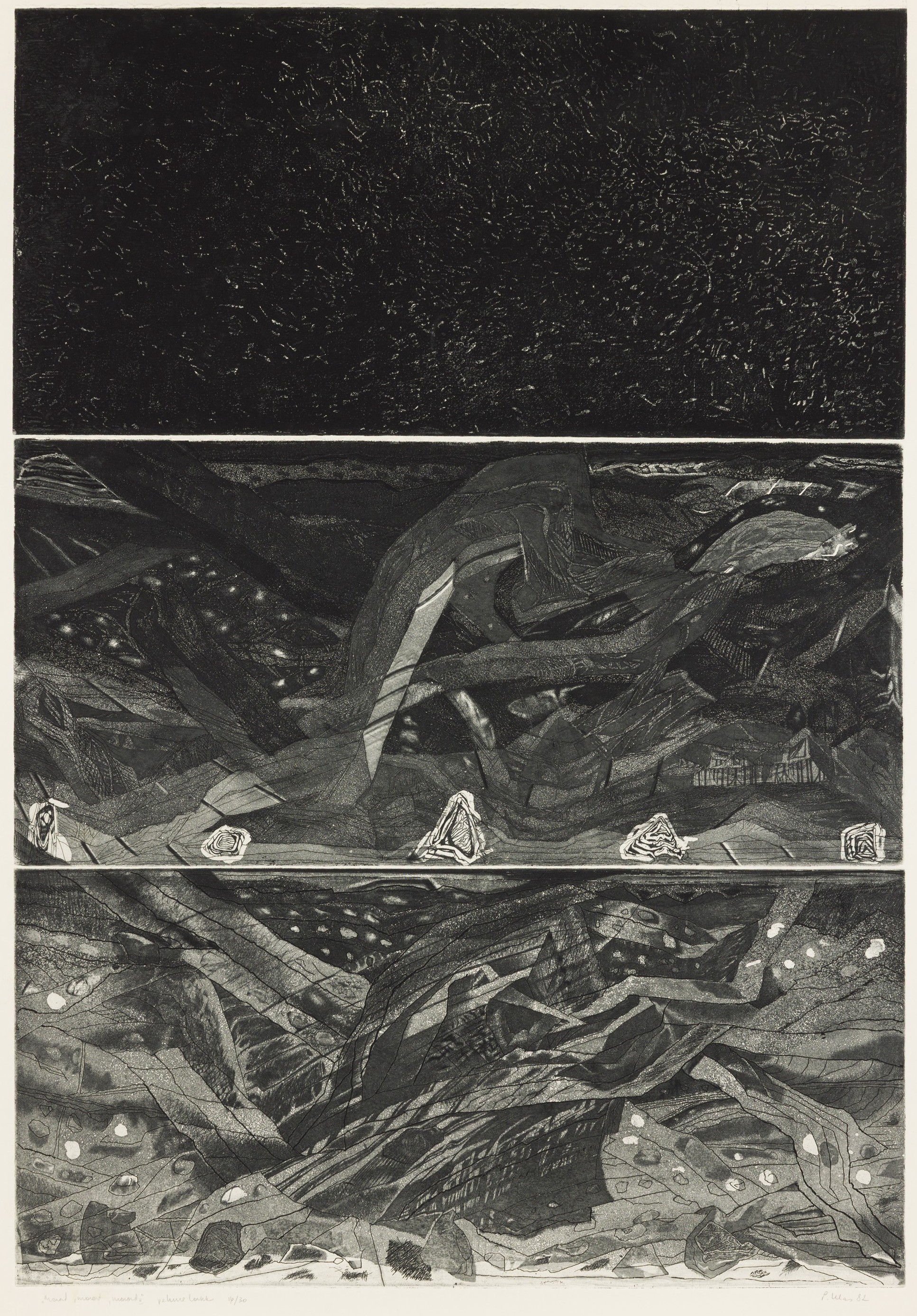
Earth, Earth, Earth II, 1982. Soft-ground etching on paper, 91 × 63.5 cm (35 13/16 × 25 in.). Norton and Nancy Dodge Collection of Nonconformist Art from the Soviet Union. D04036
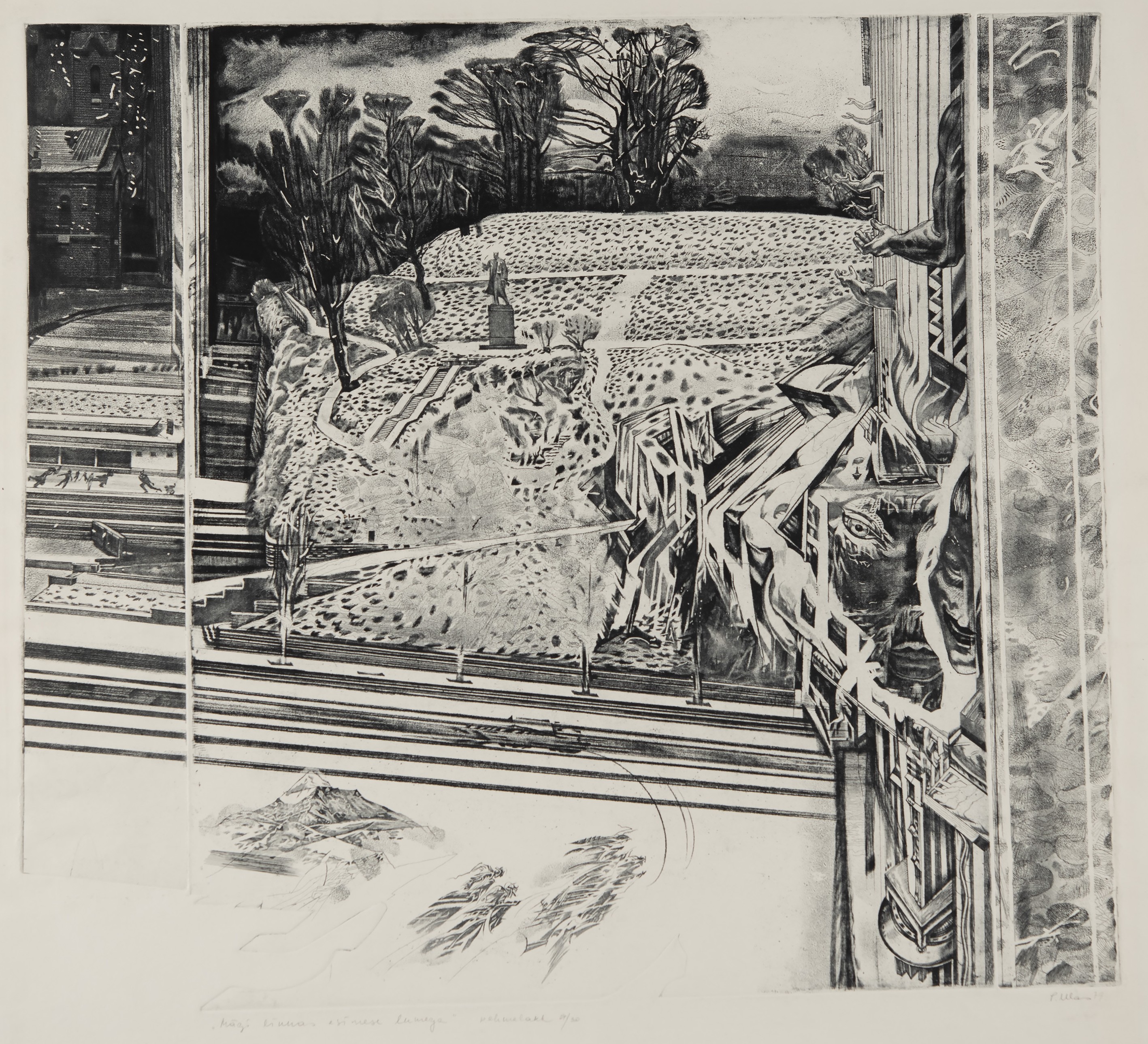
Hill in the Town under the First Snow, 1979. Soft-ground etching on paper, 63.9 × 68.1 cm (25 3/16 × 26 13/16 in.). Norton and Nancy Dodge Collection of Nonconformist Art from the Soviet Union. D05834
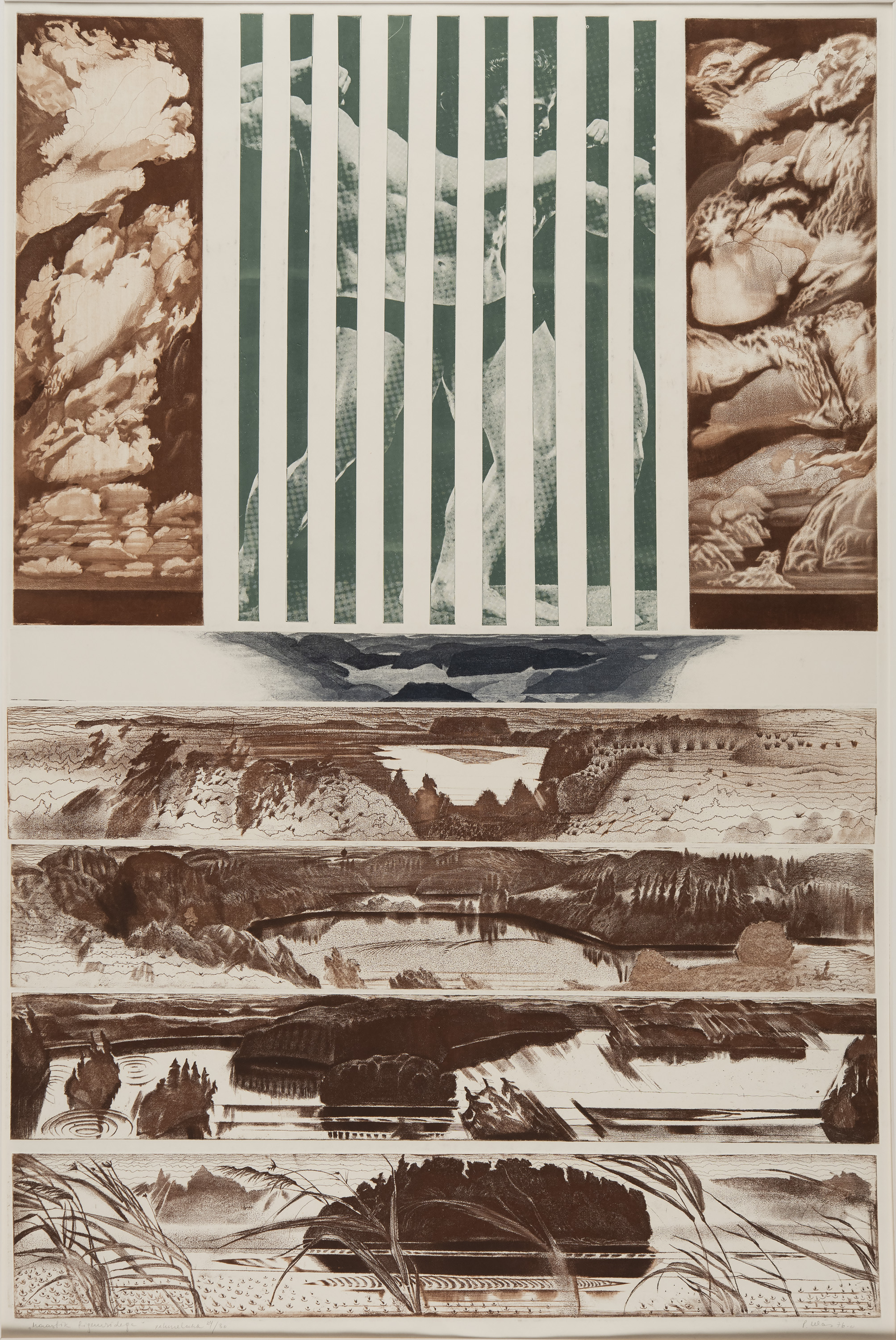
Landscapes with Figures, 1976. Soft-ground etching on paper, 89 × 58.5 cm (35 1/16 × 23 1/16 in.). Norton and Nancy Dodge Collection of Nonconformist Art from the Soviet Union. D07080
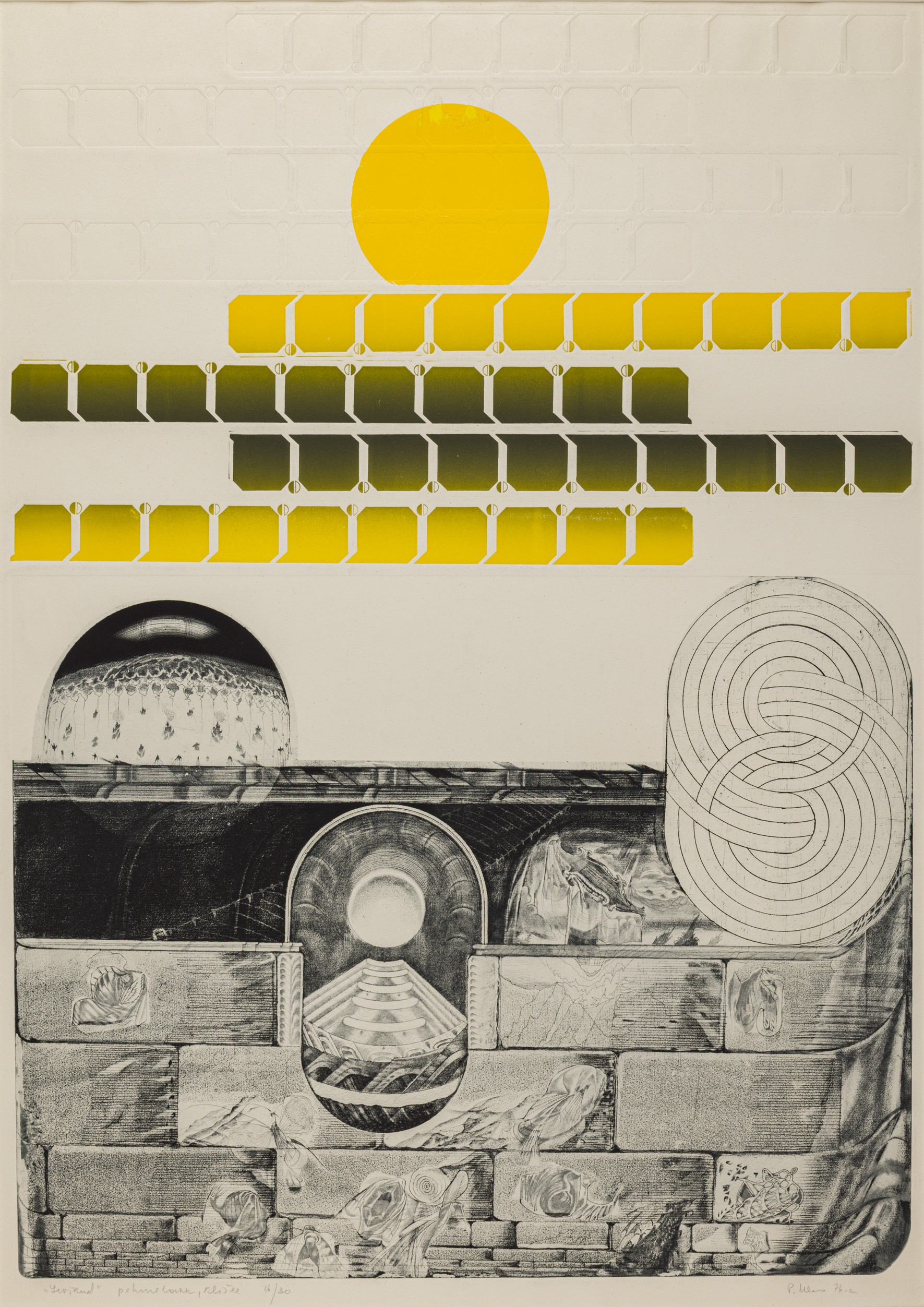
Propagations, 1976. Etching and stereotype on paper, 90 x 63.2 cm (35 7/16 x 24 7/8 in.). Norton and Nancy Dodge Collection of Nonconformist Art from the Soviet Union. D07083
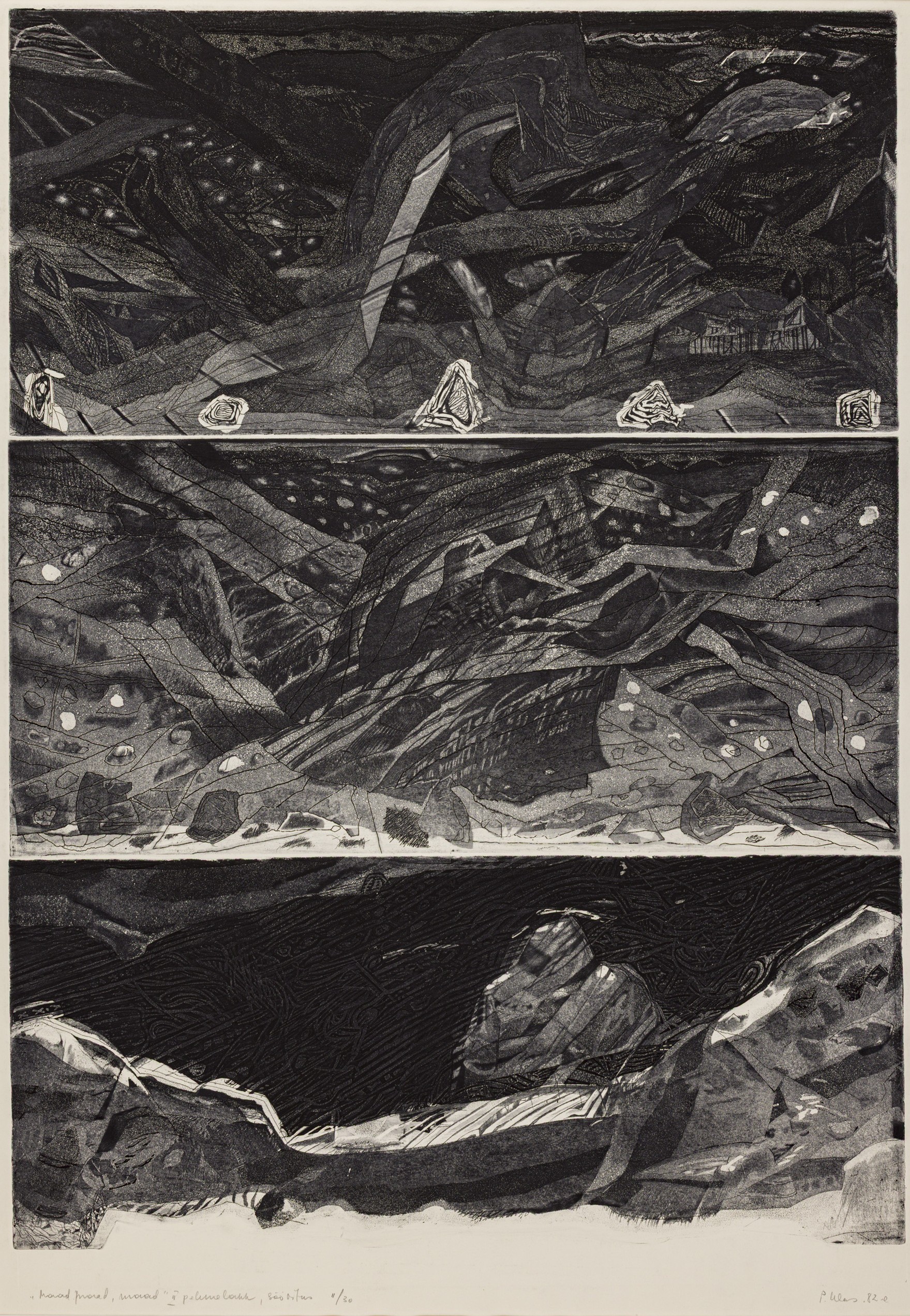
Lands, Countries, Landscapes Earth II, 1982. Etching and aquatint on paper, 91.5 × 64 cm (36 × 25 3/16 in.). Norton and Nancy Dodge Collection of Nonconformist Art from the Soviet Union. D07084

Impulse, 1974. Soft-ground etching on paper, 49.7 × 63.5 cm (19 9/16 × 25 in.). Norton and Nancy Dodge Collection of Nonconformist Art from the Soviet Union. D09521
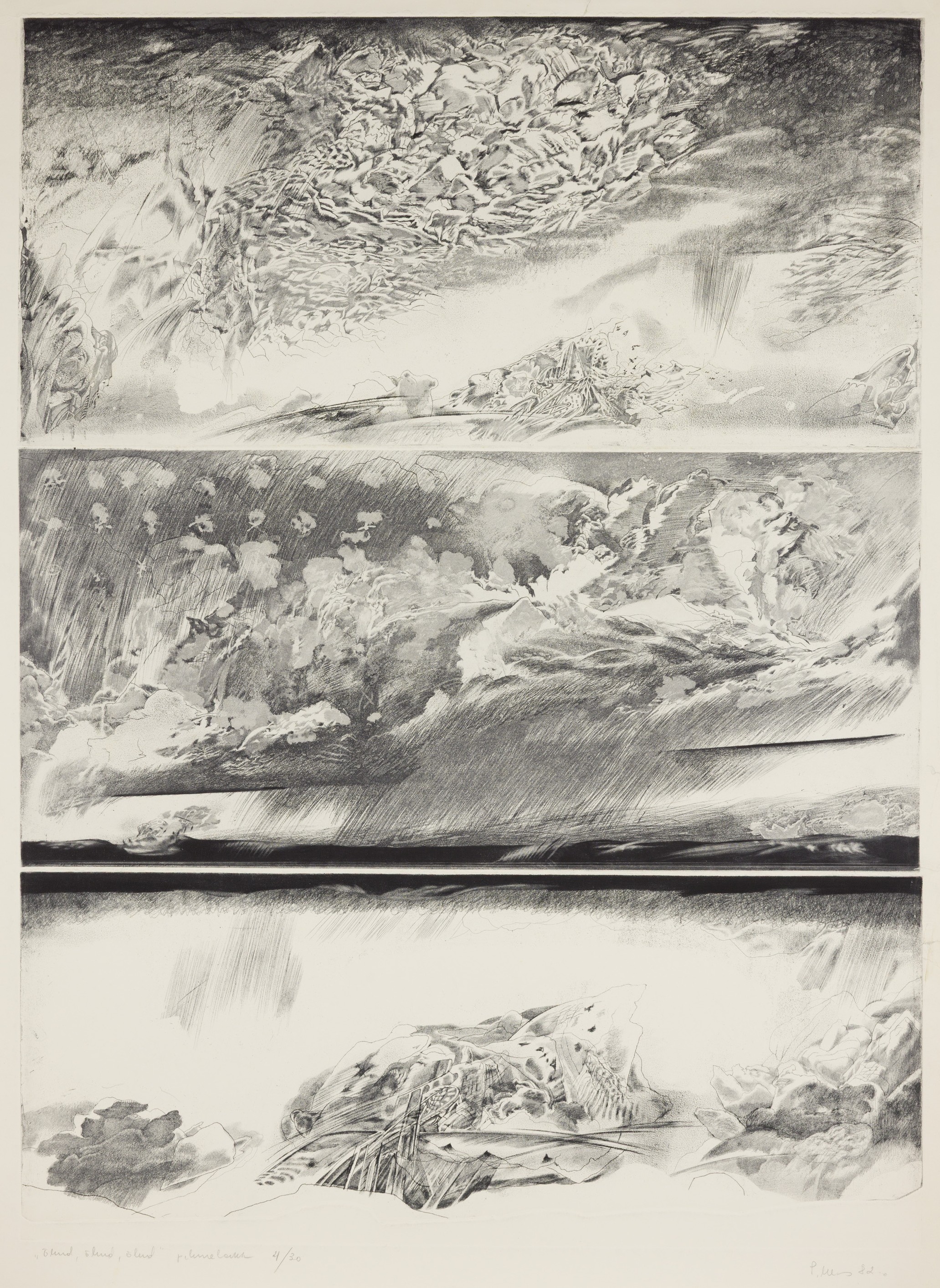
Air, Air, Air, 1982. Soft-ground etching on paper, 87 × 64.2 cm (34 1/4 × 25 1/4 in.). Norton and Nancy Dodge Collection of Nonconformist Art from the Soviet Union. D09543
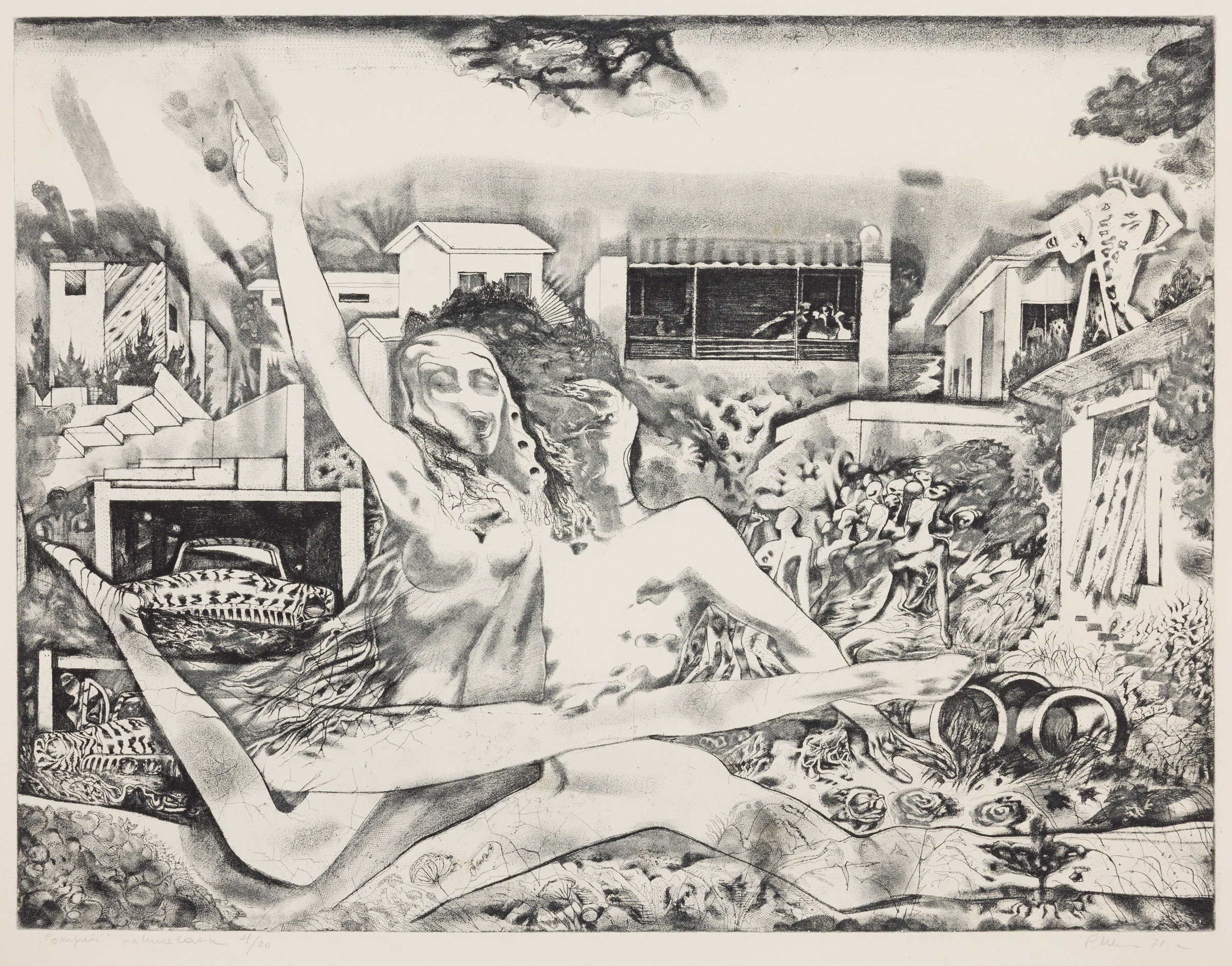
Pompeii, 1971. Soft-ground etching on paper, 49.2 × 64.5 cm (19 3/8 × 25 3/8 in.). Norton and Nancy Dodge Collection of Nonconformist Art from the Soviet Union. D09779