
Oleg Maliovany
1945 — Rubtovsk, Altai Krai (Russia). Worked in Kharkiv (Ukraine) and, since 2022, Sheptytski, Lviv region (Ukraine)
Oleg Maliovany is a photographer, teacher, and, as a cofounder of the Время (Vremia, Time) collective in the early 1970s, a representative of the first generation of the Kharkiv School of Photography. Prior to Russia’s invasion of Ukraine in 2022, he lived and worked in Kharkiv, but the intense shelling of the city by Russian troops forced him to move to Sheptytski, where he currently lives and works.
Maliovany was born in 1945, toward the end of World War II, in Rubtovsk, Altai Krai, in the Russian Soviet Federative Socialist Republic (now the Russian Federation), where his family had been evacuated from Kharkiv. Like most members of the semiofficial circle of photographers in Kharkiv during the late Soviet period, Maliovany was an engineering graduate. His dramatic career change did not happen by chance; he had been involved with photography since his school days. While studying at the Kharkiv Polytechnic Institute, he worked as a photojournalist for the university newspaper, Lenin’s Shots. After graduating, he began work at the Stankinprom Design Institute as a metallurgist, and within two years, he was promoted to head of its color photography laboratory. Over his career, Maliovany has created illustrations for the Prapor publishing house and made photographic reproductions for artists, and for several decades, he has undertaken photographic work at the Institute of Soil Science while nominally holding the position of “engineer” there.
Throughout the 1970s, while spending most of his working hours performing routine technical photography for institutions, Maliovany carefully cultivated an image as a “photo artist,” providing a role model for many other photographers in Kharkiv. He took part in several dozen foreign salons and exhibitions, particularly those organized by the International Federation of Photographic Art (FIAP). Despite the absence of an art market in the Soviet Union, as well as the extremely low status of photography in the hierarchy of arts there, Maliovany was able to sell his work to private individuals—a unique achievement for a Soviet photographer or photo-artist, and an indicator of unequivocal success.
Maliovany received his initiation to the “art of seeing” (as he later put it) from the artist Volodymyr Hryhorov (b. 1936), who was in turn a student of Vasyl Yermilov (1894–1968), a prominent representative of the Kharkiv early twentieth-century avant-garde. Maliovany and Hryhorov met at one of the photo clubs that flourished in socialist countries in the mid-1950s alongside the broader movement of amateur photographers. In the early 1970s, in another such club, Maliovany met a group of young, ambitious, and daring photographers who dreamed of radically dissociating themselves from socialist realism in photography and its main genre, photo reportage. In 1972 Anatoliy Makiyenko (b. 1949), Boris Mikhailov (b. 1938), Evgeniy Pavlov (b. 1949), Jury Rupin (1946–2008), Oleksandr Sitnichenko (1948–2018), Oleksandr Suprun (b.1945), and Gennadiy Tubalev (1944–2006) formed the group Time (Vremia). These young people therefore laid the foundation for a large-scale photographic movement that would become known as the Kharkiv School of Photography by the second half of the 1980s. At a time when visual forms were becoming increasingly repetitive, monotonous, and dogmatic, they formed a community striving for a complete reboot of photography. In an attempt to free themselves from the rigid aesthetics of socialist realism, the members of the Vremia group invented various strategies to subvert socialist realism’s prohibitions. Among these strategies were “useless” formal and technical experiments, as well as the use of the nude and erotic motifs.
In the Soviet Union, “formalism”—the interest in exploring the plastic qualities of an artwork as opposed to its ability to tell a story and convey information—was considered a Western trend that was typical of bourgeois art and irrelevant to ordinary people’s lives, and therefore doomed to stigmatization and prohibition. Significantly, it is formal and technical experiments that define Maliovany’s photographic practice. Working serially, he unites groups of his works based on the technique used. In the mid-1960s, Maliovany created his first works using solarization and posterization techniques, which allowed him to increase the expressiveness of the photographic image and its impact on the viewer despite the defective quality of photographic materials and their constant shortage. This emphasis on expressiveness and impact was shared by most of the Vremia members, who developed a guiding principle for their photographic practices known as the “theory of impact.” This was the idea that a photograph should be like a fist in the face for the observer, knocking them out of their stupor and state of automatic perception.
Since 1969 Maliovany has had an interest in color equidensity technique, an extremely complex and laborious photographic method. His equidensities are a scientific technique adapted for artistic expression, in which each area of gray receives a color defined by the photographer rather than copied from reality. When this technique is used for scientific purposes, black-and-white images become more informative, allowing the viewer to differentiate different shades of gray that are difficult for the eye to distinguish. In artistic photography, the technique helps to create spectacular images with bright and unrealistic colors, to which Maliovany sometimes adds an optical collage. Achieving a single print could take more than a week of full workdays, through sustained experimentation and repeated adjustments until the photograph begins to resemble a graphic work. Indeed, the transformation that photographs undergo as a result of these techniques is so radical that it becomes a real challenge to establish a connection between the image itself and the reality it is conveying. The equidensities (e.g., The Age of Beauty [1972], Phantom [1974]) revisit themes from Maliovany’s first solarizations and montages—revitalization and monstrosity. In addition, during this period of Cold War tension, a premonition of catastrophe runs like a red thread through his works.
In 1969 the main news on the Kharkiv photography scene was Gravity, a newly created series by Maliovany that consisted of five collages: Premonition, Gravity (ZAM, D14100), Boomerang (ZAM, D14096), Boomerang 2 (ZAM, D14099), and Exodus (ZAM, D10871). In all of them, the central subject is a naked female figure curled up in a strange position on the ground, in an apocalyptic, fantastical landscape. Despite all its ambitions, humankind in the era of the split atom and space flight finds itself subjugated by the unsolved forces of the universe. If Soviet mythology is based on the opposition between humans and nature, where the hero of socialist labor seeks to master the natural world, then Maliovany introduces a two-sided view of relations with the cosmos: on the one hand, insecurity and a lack of human control, and on the other, humankind’s inevitable responsibility for its impact on the environment. The artist partially attributes his interest in the latter topic to his everyday experience of the degraded environmental situation in industrial Kharkiv, where dense smog remained the constant reality.
One of Maliovany’s favorite techniques is known as “sandwiches,” a method known in the West thanks to Mikhailov, another representative of the Kharkiv school. The method consists of superimposing several colored slides in a single frame. Together, the translucent images create a complex composition full of ambiguous associations and suggestions, in direct opposition to the unambiguity of Soviet propaganda photography. The “sandwich” technique was a huge success in the Vremia group, whose members employed it in different ways. In Mikhailov’s work, for example, the whiteness of bodies clashes and conflicts with recognizable objects of Soviet everyday life, creating a sense of the absurdity of its world order. When used by Maliovany, by contrast, “sandwiches” demonstrate the artist’s interest in the interplay of colors, textures, shadows, and other formal issues. In these works, bodies become eroticized in a world of fantasy and dreams. Given the shortage of the necessary color materials and the complexity of the process of printing from slides to paper, the most common way to demonstrate “sandwiches” was to project them. The contemplation of these works was a collective experience reserved for a limited number of people, generally in student coffee shops or during apartment exhibitions. The “sandwiches” thereby acquired an additional cinematic and performative dimension.
The issue of color is especially significant in both artistic and sociopolitical contexts. Whereas in the West, color photography struggled to enter the walls of museums and the discourse of “artistic photography” in the 1970s, the Kharkiv School’s use of color emphasized photography as art through its approximation of painting. This is one reason for the fascination that surrounded the explosive, bright colors of Maliovany’s equivalents and “sandwiches,” with their sensual and fantastic scenes and a deliberately excessive palette, at odds with the visual conventions of mainstream Soviet print media.
The development of color printing and the general improvement of quality were important not only for photographers, but also for a wide range of professionals in the field of photography in the Soviet Union. This technocratic orientation led to a paradoxical situation: Despite the struggle against “formalism,” some of Maliovany’s works were recognized even by official representatives of photography. In 1976 Sovetskoe foto [Soviet photo] magazine, the only specialized photography magazine in the Soviet Union, published on its back cover the photograph Old Tallinn (1974), which was later presented at the large-scale exhibition Interpressphoto-77 in Moscow, and included in the anthology “Photo 77.” Maliovany’s skill and passion for laboratory experiments and photographic technique responded to the technical needs of the Soviet photographic field. Despite the success of his photography of urban landscapes of the Baltic states, however, his major works crossed the threshold of tolerance for experimentation and remained outside the official public sphere. Moreover, his practice of photographing the nude led to an unspoken ban on sending his works through the mail, making it impossible for him to participate in international salons and exhibitions.
As is often the case with representatives of Soviet “nonconformism,” the dictatorship’s policies and Maliovany’s art were less irreconcilable than the artist might like to admit. Maliovany’s work and late Soviet aesthetics are inextricably related and cannot be described in terms of the dichotomous opposition of “dissent” versus “conformism.” The influence of official Soviet photography on Maliovany’s work cannot be dismissed or ignored. In fact, it is precisely these complex interrelationships that allow us to better understand the specificity of his work in the context of the broader history of photography.
With the advent of independent Ukraine, Maliovany created works that correspond to the classic genre of Kharkiv photography: staged performance for the camera. These series consist of sequences, mostly shot with a static camera. In the series of poses, the theatrical plasticity of the models’ bodies is given primary importance (as in Chursin Living in a Stool [1991], Drinking Flights [1991], and Ihor Showing Oleg How to Properly Uncork a Bottle [1991]), and only briefly reveals the artist’s more experimental ideas (such as the relationship between a man and a woman in the series Two in the Interior [1992] and the grotesque subversion of clichés of masculine physicality in the Blue Series [1992]). However, with the exception of these series, experimentation with photographic materials and techniques remains the mainstay of Maliovany's work.
Nadiia Bernard-Kovalchuk
Translated from Ukrainian by Ada Wordsworth
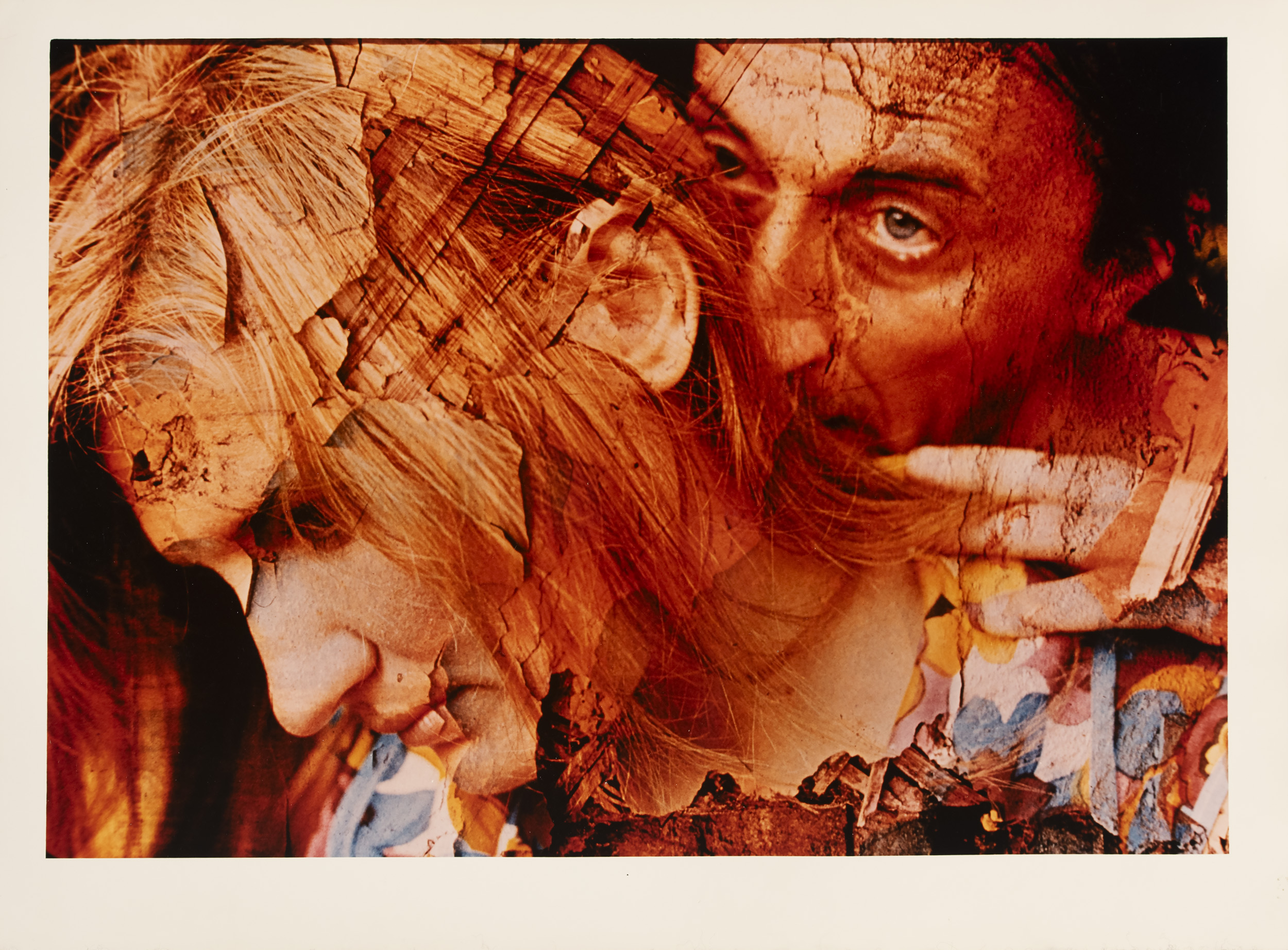
Fresco, 1973. Photograph, 25.9 × 37.4 cm (10 3/16 × 14 3/4 in.). Norton and Nancy Dodge Collection of Nonconformist Art from the Soviet Union. D10877

Untitled from the series Overlays, 1975. Photograph, 30.4 × 44 cm (11 15/16 × 17 5/16 in.). Norton and Nancy Dodge Collection of Nonconformist Art from the Soviet Union. D14130
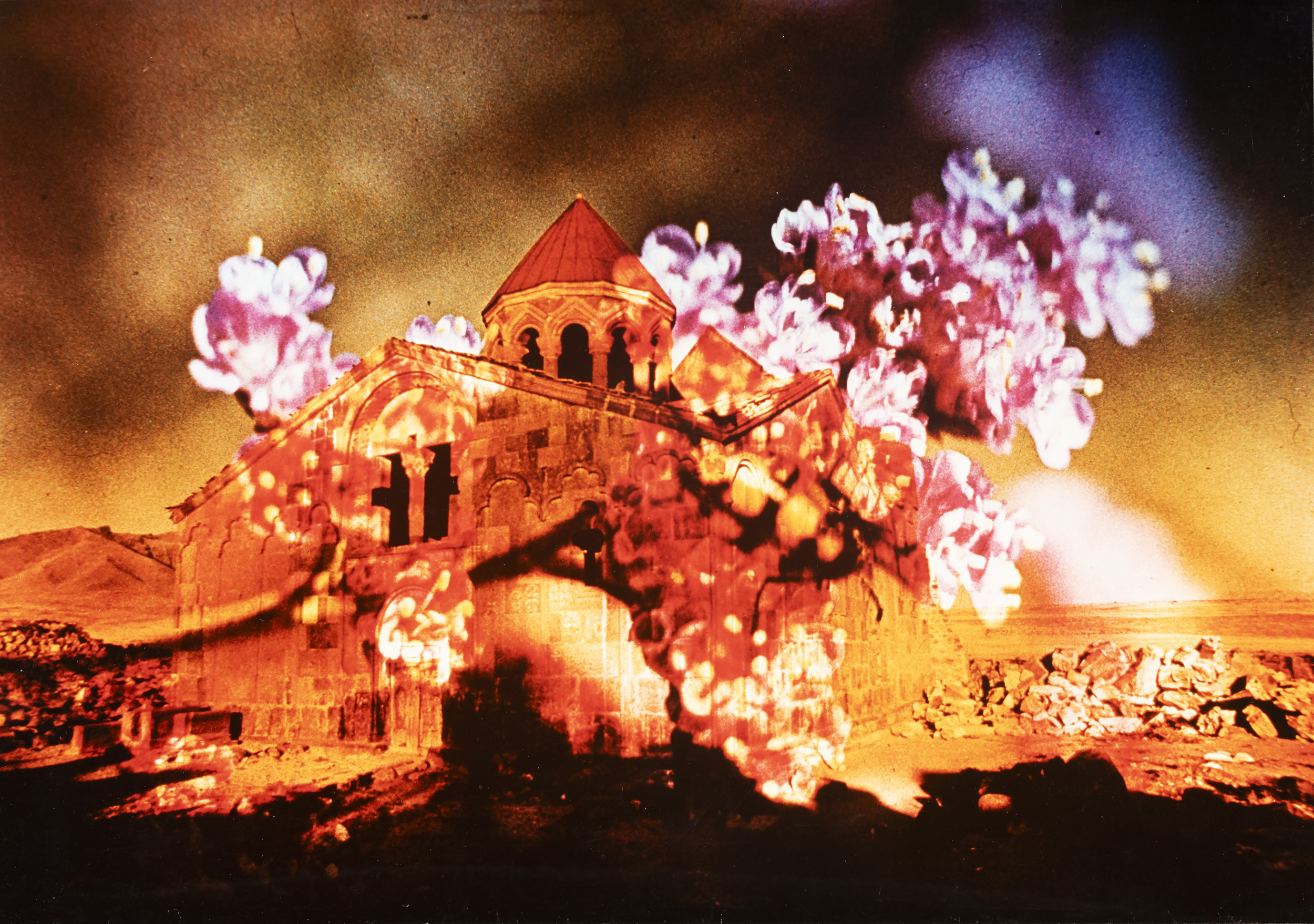
Remembering Armenia from the series Overlays, 1973. Photograph, 29.8 × 42.6 cm (11 3/4 × 16 3/4 in.). Norton and Nancy Dodge Collection of Nonconformist Art from the Soviet Union. D14131
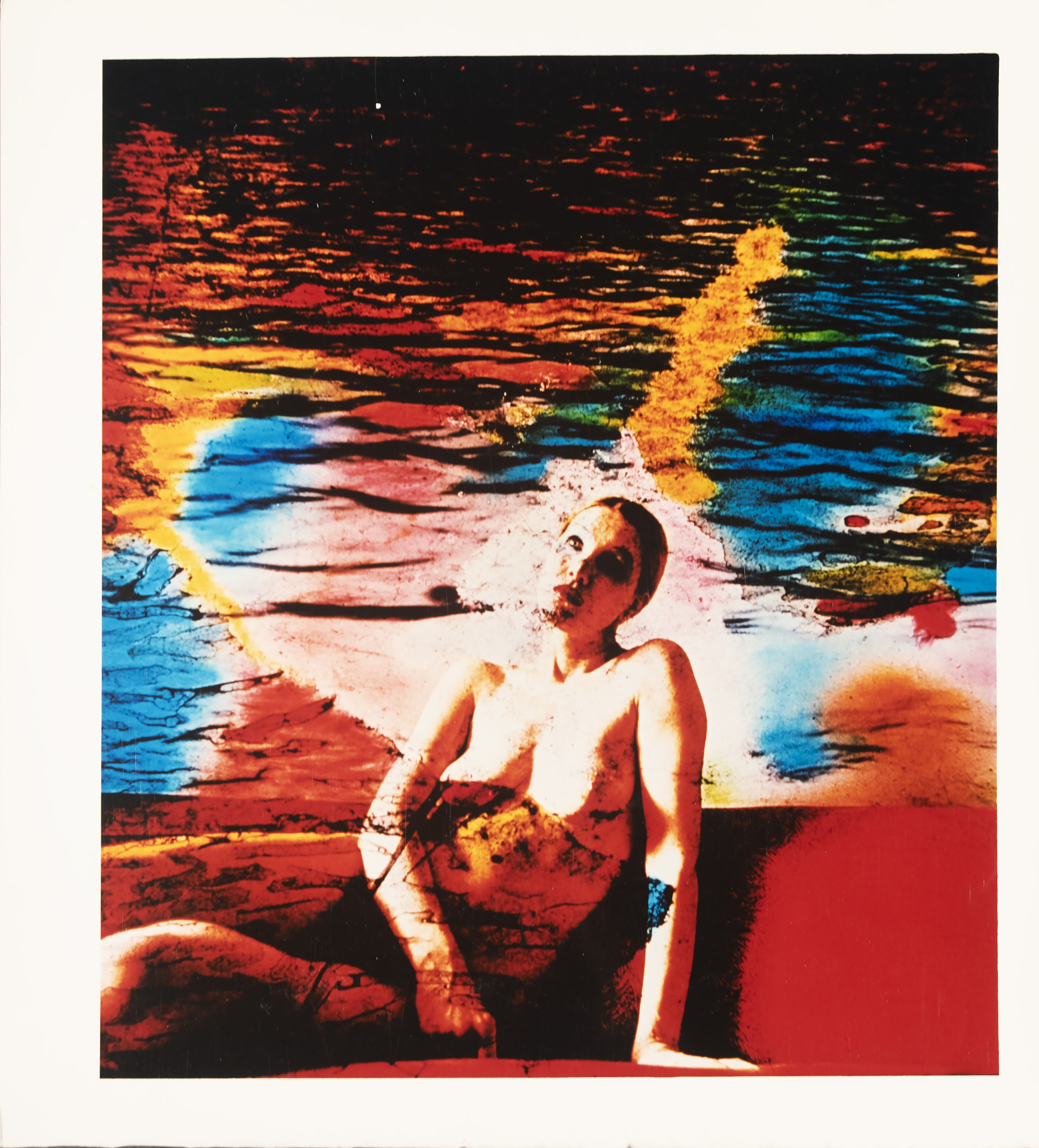
Untitled from the series Burned Time, 1980. Photograph, 29.5 × 26.2 cm (11 5/8 × 10 5/16 in.). Norton and Nancy Dodge Collection of Nonconformist Art from the Soviet Union. D14105
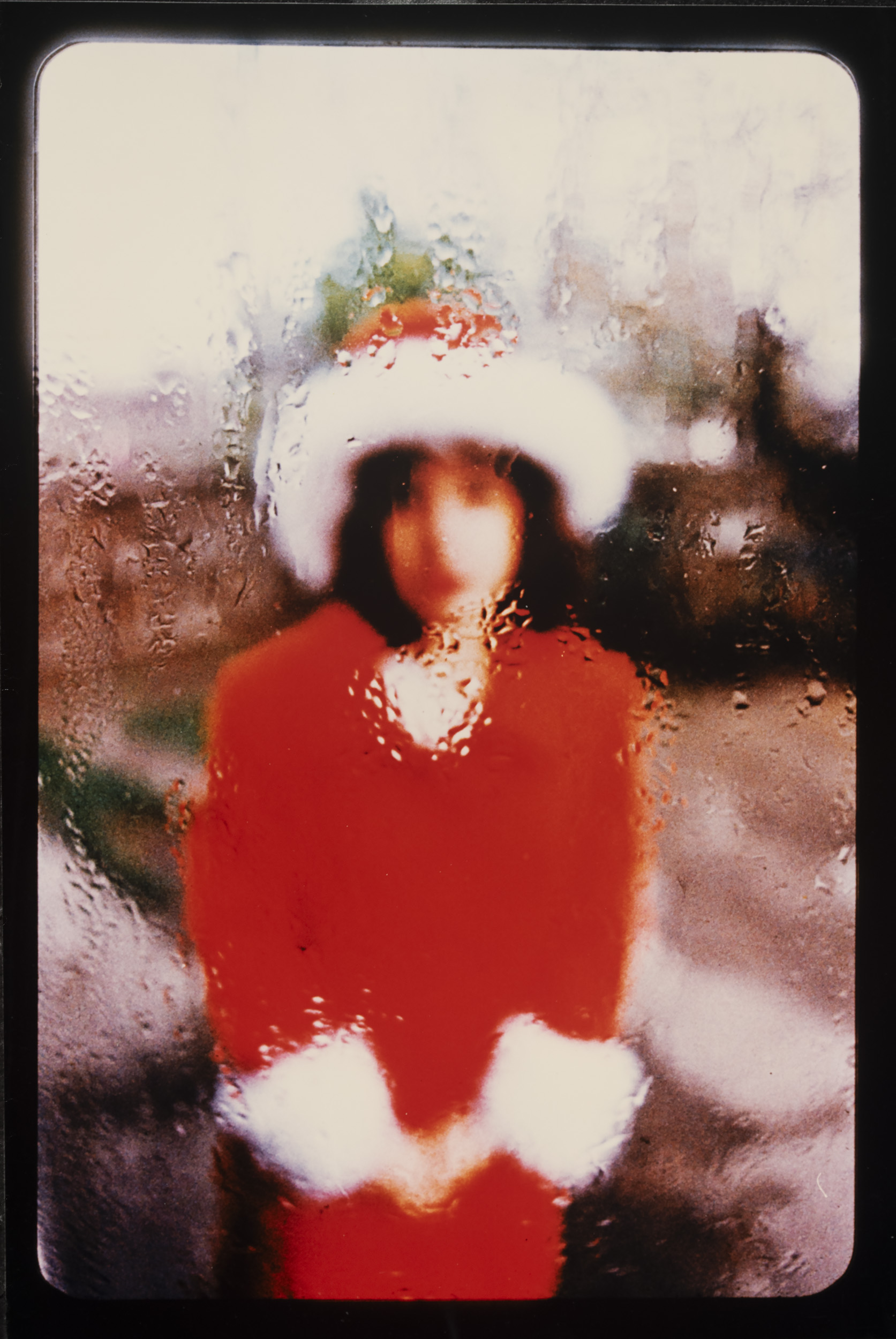
Window I from the series Overlays, 1975. Photograph, 43.3 × 29.5 cm (17 1/16 × 11 5/8 in.). Norton and Nancy Dodge Collection of Nonconformist Art from the Soviet Union. D14133
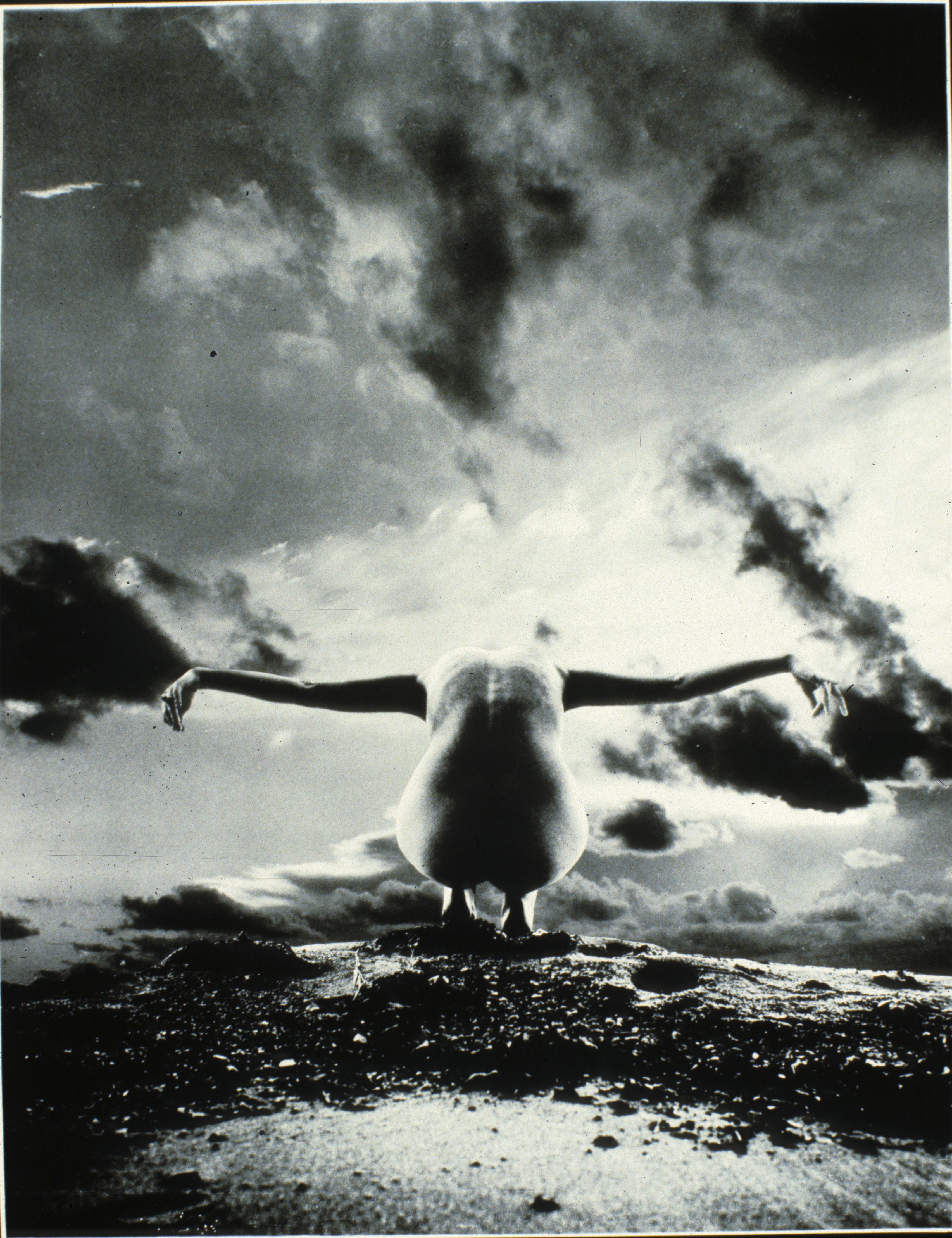
Takeoff, 1977. Photograph, 39.5 × 28.4 cm (15 9/16 × 11 3/16 in.). Norton and Nancy Dodge Collection of Nonconformist Art from the Soviet Union. D14098
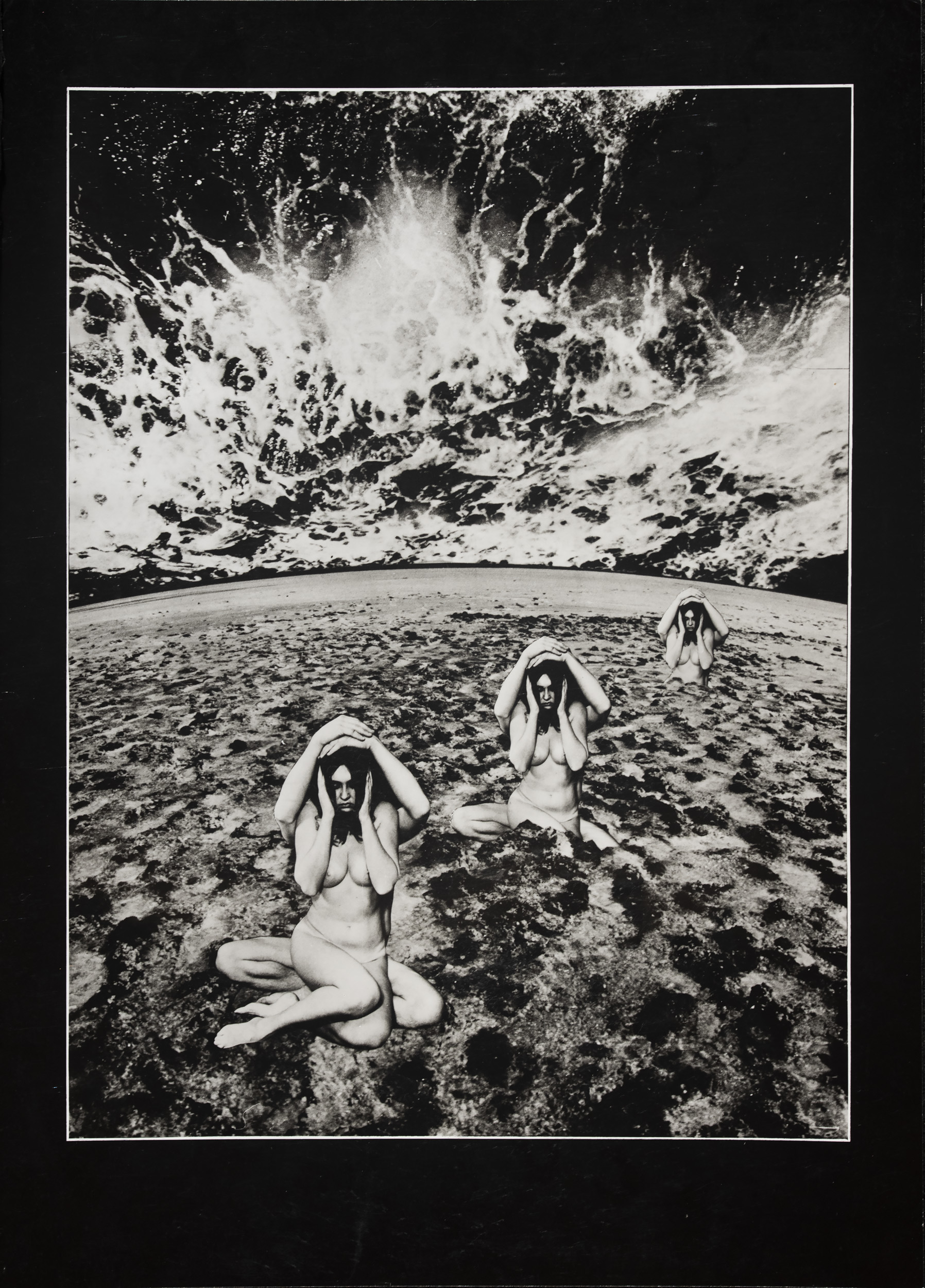
Gravitation from series Gravitation, 1976. Photograph, 39.4 × 28.2 cm (15 1/2 × 11 1/8 in.). Norton and Nancy Dodge Collection of Nonconformist Art from the Soviet Union. D14100
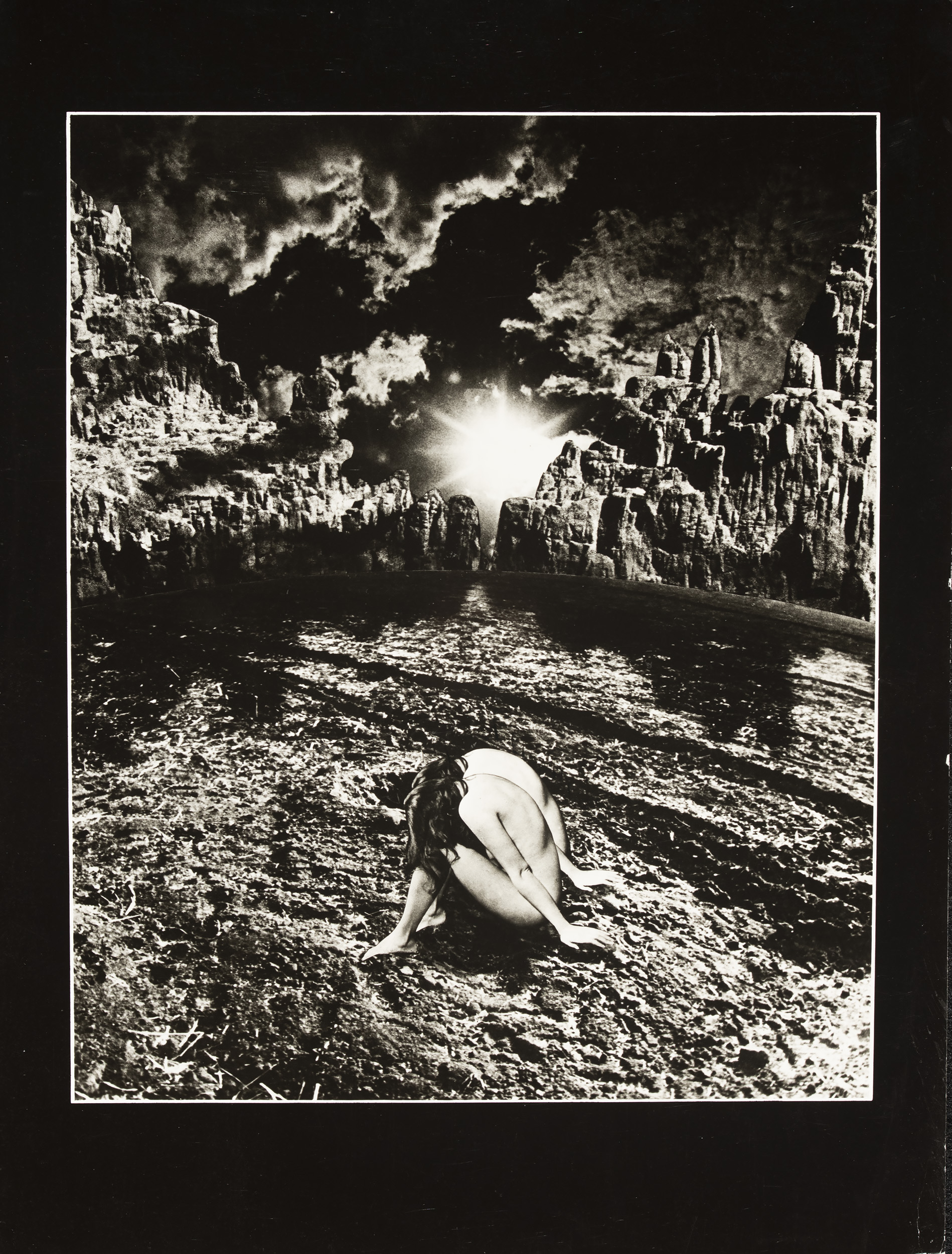
No. 4 from series Gravitation, 1976. Photograph, 30.3 × 24.8 cm (11 15/16 × 9 3/4 in.). Norton and Nancy Dodge Collection of Nonconformist Art from the Soviet Union. D10871
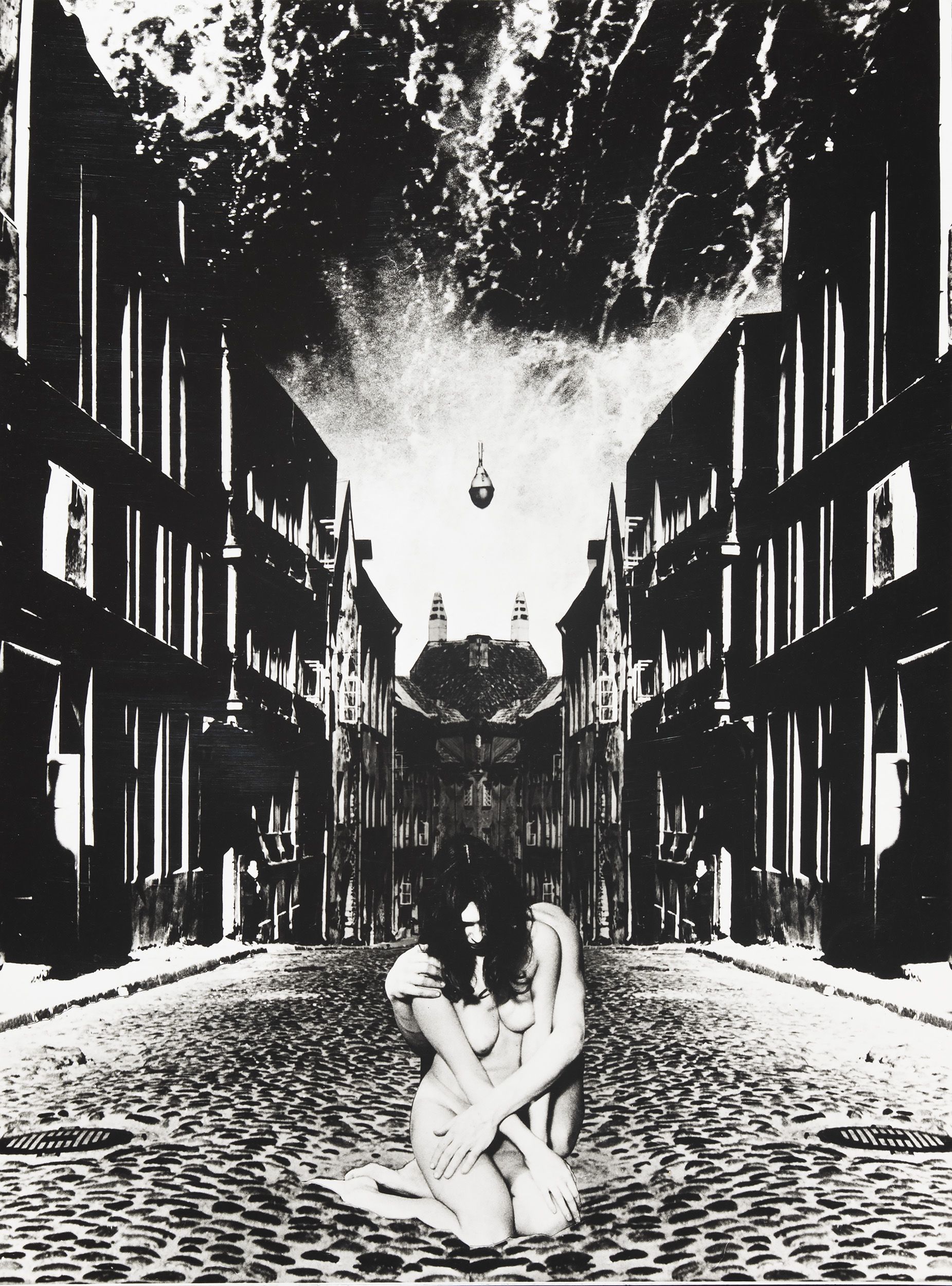
Misgiving No. 1 from series Gravitation, 1976. Photograph, 32.4 × 24.6 cm (12 3/4 × 9 11/16 in.). Norton and Nancy Dodge Collection of Nonconformist Art from the Soviet Union. D10876