
Māra Brašmane
1944 — Liepāja (Latvia). Worked in Riga (Latvia) and Rundāle (Latvia); currently works in Riga (Latvia)
Māra Brašmane has been photographing since 1962. She initially learned the craft on her own and later expanded her knowledge at the Photo Club Riga. The network of clubs was the most popular way to learn photography, as well as to exhibit. When the Riga Technical School of Culture and Education Employees (currently Latvian College of Culture at the Latvian Academy of Culture) established a Photo–Cinema Department, Brašmane joined it to extend her theoretical knowledge, graduating in 1984 at the age of forty.
For most of her professional life, Brašmane worked as a museum photographer. Starting in 1973, her first job as a photographer was at the Rundāle Palace Museum, Latvia’s most important baroque palace, which was then beginning to be renovated and needed photographs of restoration works and objects. From 1984 she worked for twenty years as a staff photographer at the Latvian SSR State Art Museum (now the Latvian National Museum of Art), where she photographed works of art for reproduction in albums and catalogues. For many years she also taught photography at the Riga Building College (1995–2022).
Brašmane has gained recognition for her black-and-white documentary photographs from the 1960s and ’70s, which were not intended for public exhibition but captured observations of everyday life that were important for herself. These pictures depicting people, urban scenes, and the pace of life are documentations of a bygone era that have not lost their power even today, as they capture the spirit of an era that was at once different and kindred on both sides of the Iron Curtain.
Having kept these works in her archive for several decades, Brašmane began to exhibit them only in the early 2000s, with her solo exhibition The City of My Youth (2001) at the Latvian Artists’ Union Gallery and the publication of a photo album of the same name (Riga: Neputns, 2005).
The time, environment, and people documented in her photographs reveal themselves as a parallel reality to the officially depicted life under socialism. Apart from people in their daily routine, the most frequent motifs in these pictures are the cityscapes of Riga and other Latvian cities, streets, houses, roofs, courtyards, and everyday life in the center, suburbs, and the market. The people in the photos are often her family, friends, and acquaintances, many of them artists, musicians, and poets who belonged to the alternative culture of the postwar generation. Brašmane’s photographs reveal their youthful romanticism and search for private freedom and creativity. The images capture creative life and events of alternative culture, members of the then-popular Riga Pantomime ensemble, meetings in cafés and apartments, and reflections of the flower-power era, including hippies in June 1968 in the Old Town, who gathered there in symbolic protest against the Soviet invasion of Czechoslovakia and other events.
While working at the Rundāle Palace Museum, she photographed palace balls dedicated to different historical styles and cultures; their improvised stagings, created alongside informal art actions and performances, were also a refuge from Soviet reality. Brašmane also photographed several performances and happenings by Andris Grinbergs (b. 1946), the pioneer of a nonofficial artform in Latvia. Romeo and Juliet (1969) took place at the eternal flame in Riga’s Brothers’ Cemetery, where gatherings were forbidden at the time. [1] The Wedding of Jesus Christ (1972) was the occasion of Grinbergs’s marriage to Inta Jaunzeme (1955–2022) and at the same time a free interpretation of the motifs of the Bible and the rock opera Jesus Christ Superstar. In the happening Old House (1977), held in an abandoned but once luxurious mansion, in the center of Riga, she documented the improvisations of its participants as they bid farewell to the house and its empty interiors, where past and timeless existence had surreally merged.
Brašmane’s photographic vision differed from the aesthetics of Soviet photography that dominated in the 1960s and ’70s. Her mundane and restrained yet emotional depiction of the life around her has been compared to the tradition of Riga’s poetic documentary cinema [2], because it has an artistic sensibility that endows the observation of everyday life with a deeper understanding or empathy and captures a mood that transcends time. The mundane aesthetic and the method of documenting life in these photographs are close to the postwar humanist movement in the international history of photography. Her work also vividly confirms the importance of the gaze of female photographers during the Soviet period, despite the fact that it was marginalized in the Latvian photography scene because it did not correspond to the canons of the male-dominated sphere. In her photographs, this was mainly revealed through a more nuanced and empathetic view of the people and environment she documented, an interest in mundane moments, as well as an unwillingness to follow the leading trends in photography at the time, such as symbolism and aestheticizing the image.
Since the 1990s Brašmane has also been working with color photography, and since 1992 she has held more than twenty solo exhibitions in Riga and elsewhere in Europe, and has participated in numerous group exhibitions. In these, she has exhibited not only her widely acclaimed photographs from the 1960s and ’70s of people and urban environments, but also other series and motifs including travel; nature, its moods and people’s connection to it; water; as well as significant events of historical change—for example, the Barricades in Riga in January 1991, an act of nonviolent resistance to safeguard Latvia’s emerging independence from hardline Soviet troops.
Several of her exhibitions have been devoted to the environment and people associated with her professional workplaces. Her solo exhibition Museum People (2005) at the State Museum of Art was dedicated to the museum staff she had met over the years, from restorers to guards, who remain largely invisible in the daily work of the museum. In her solo exhibition Time of Change (2014), she documented the main building of the National Art Museum before major renovations; at a time when the art collection had already been removed from the building and the staff had left, her photographs revealed both visually striking and elusive traces of time. The solo exhibition Looking Back (2020) at the Latvian Museum of Photography brought together works made between 1964 and 2013; once again sifting through her extensive archive, she highlighted images capturing the passage of time and life as a constant change to be seen in hindsight.
Her work has also been featured in major exhibitions such as Gender Check at Mumok (the Museum of Modern Art) in Vienna and Zacheta in Warsaw (2010), which examined the role of gender in Eastern European art since the 1960s, and We Don’t Do This: Intimacy, Norms and Fantasies in Baltic Art at the MO Museum in Vilnius (2024). Brašmane’s photographs are also often used in visualizing documentary studies of the 1960s, or to bring to life their moods and urban contexts. For example, they are a significant part of the book Uncensored. Alternative Culture in Latvia, 1960s and 1970s. In 2007 theater director Alvis Hermanis included them in the New Riga Theatre’s performance Sounds of Silence, a poetic interpretation about the 1960s and youthful romanticism, while in 2021 they were part of the visuality for the annual new theater festival Homo Novus, held in Riga’s Vidzeme Market as a symbolic place where people meet and interact.
Ieva Astahovska
Photo portrait by Jānis Saliņš
Notes
1. Brothers’ Cemetery is a memorial and burial ground for thousands of Latvian soldiers who were killed between 1915 and 1920 in World War I and in the Latvian War of Independence (1918–20). Since this memorial ensemble retained its significance as a symbol of national identity also during the Soviet era, it was forbidden to gather at its eternal flame monument.
2. The tradition of Riga’s poetic documentary film was characterized by a unique style that paid special attention to its poetic visual language, while also addressing social themes.

The Wedding of Jesus Christ Performance by Andris Grīnbergs and Inta Grīnberga, 1972. Vintage gelatin silver print on paper, 18 × 24.4 cm (7 1/16 × 9 5/8 in.). Norton and Nancy Dodge Collection of Nonconformist Art from the Soviet Union. D12231.01
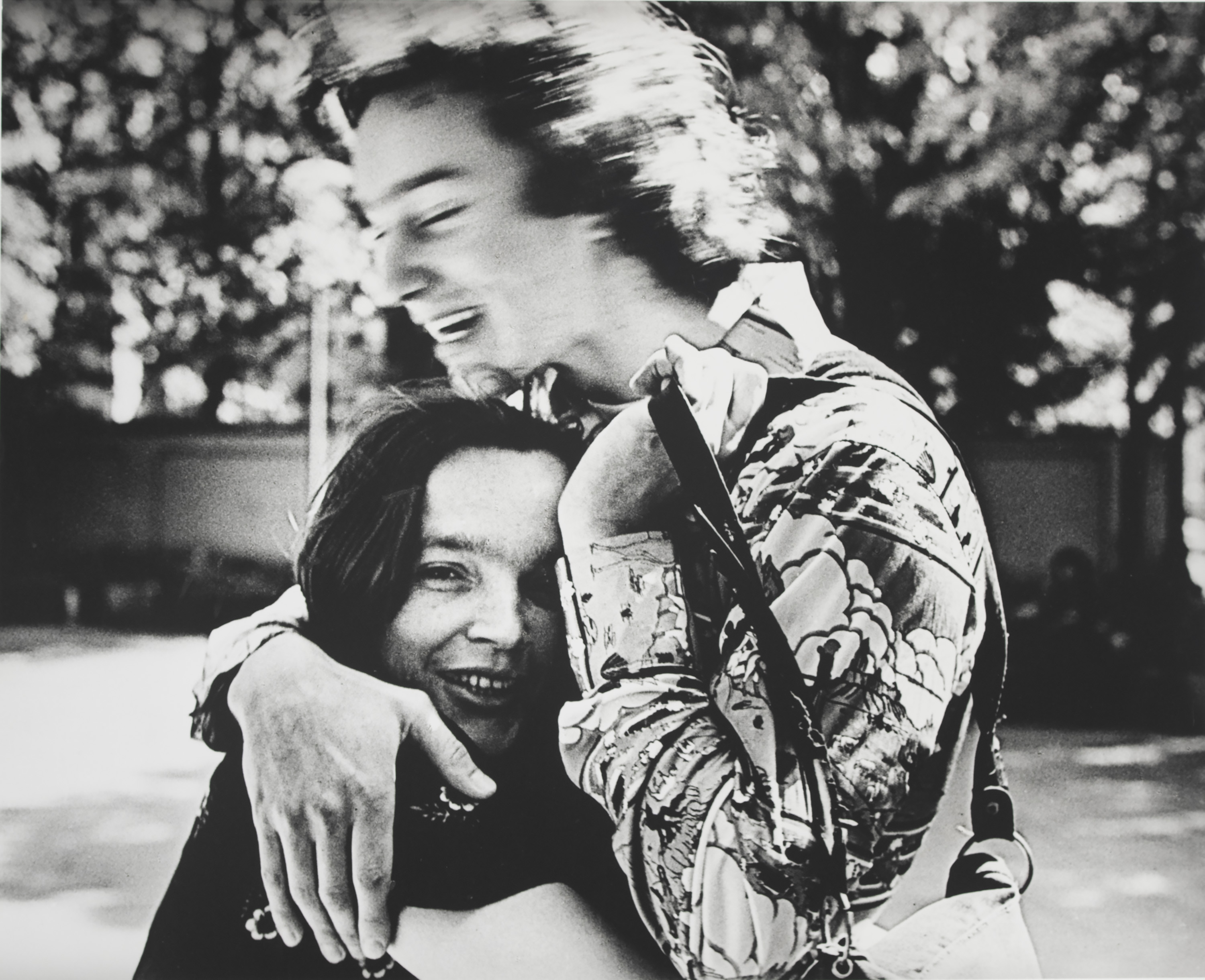
Untitled, 1977. Photograph on paper, 30.5 × 40.6 cm (12 × 16 in.). Norton and Nancy Dodge Collection of Nonconformist Art from the Soviet Union. D16601
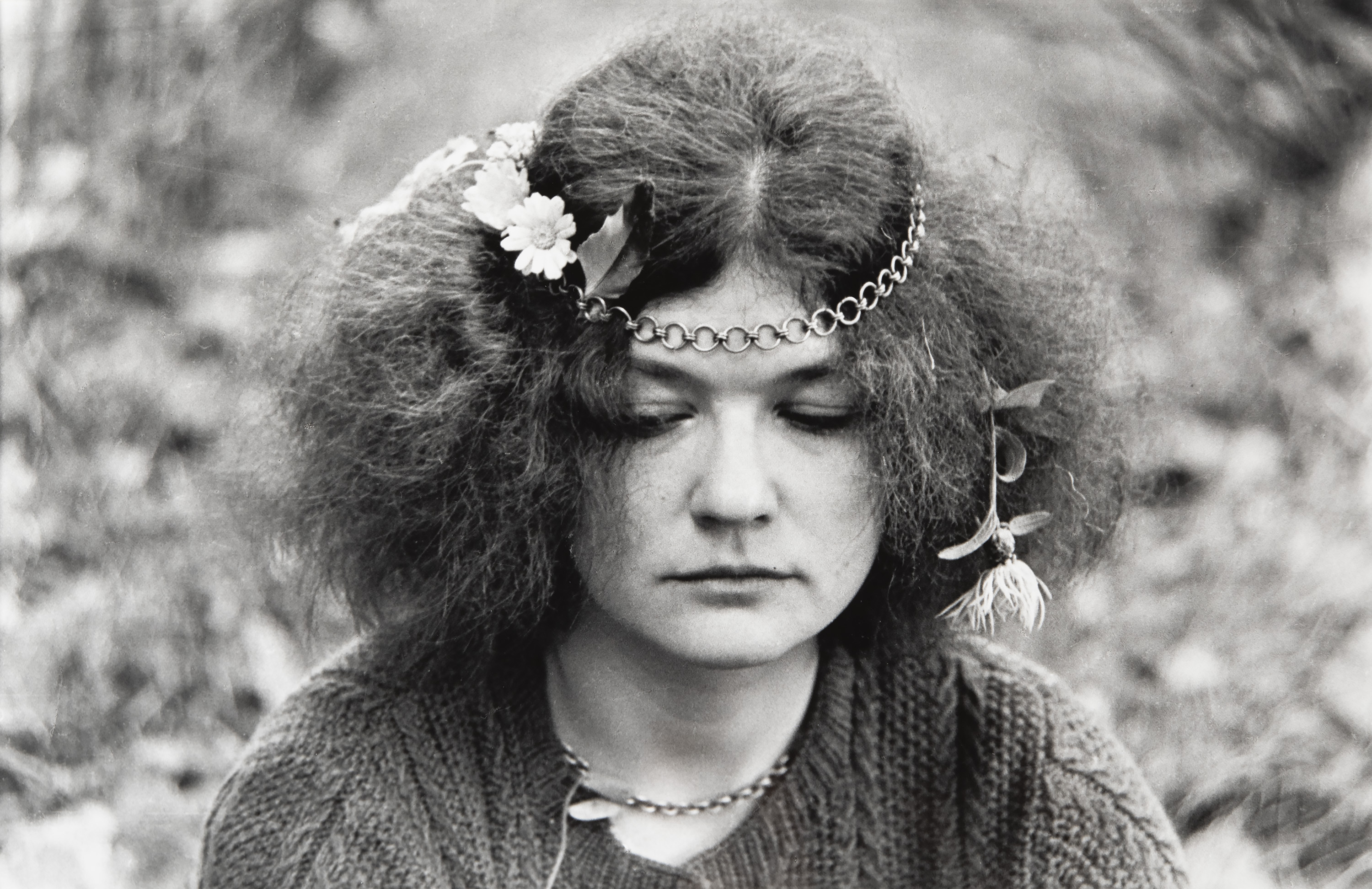
leva, 1968. Gelatin silver print on paper, 33.9 × 50.5 cm (13 3/8 × 19 7/8 in.). Norton and Nancy Dodge Collection of Nonconformist Art from the Soviet Union. D16603
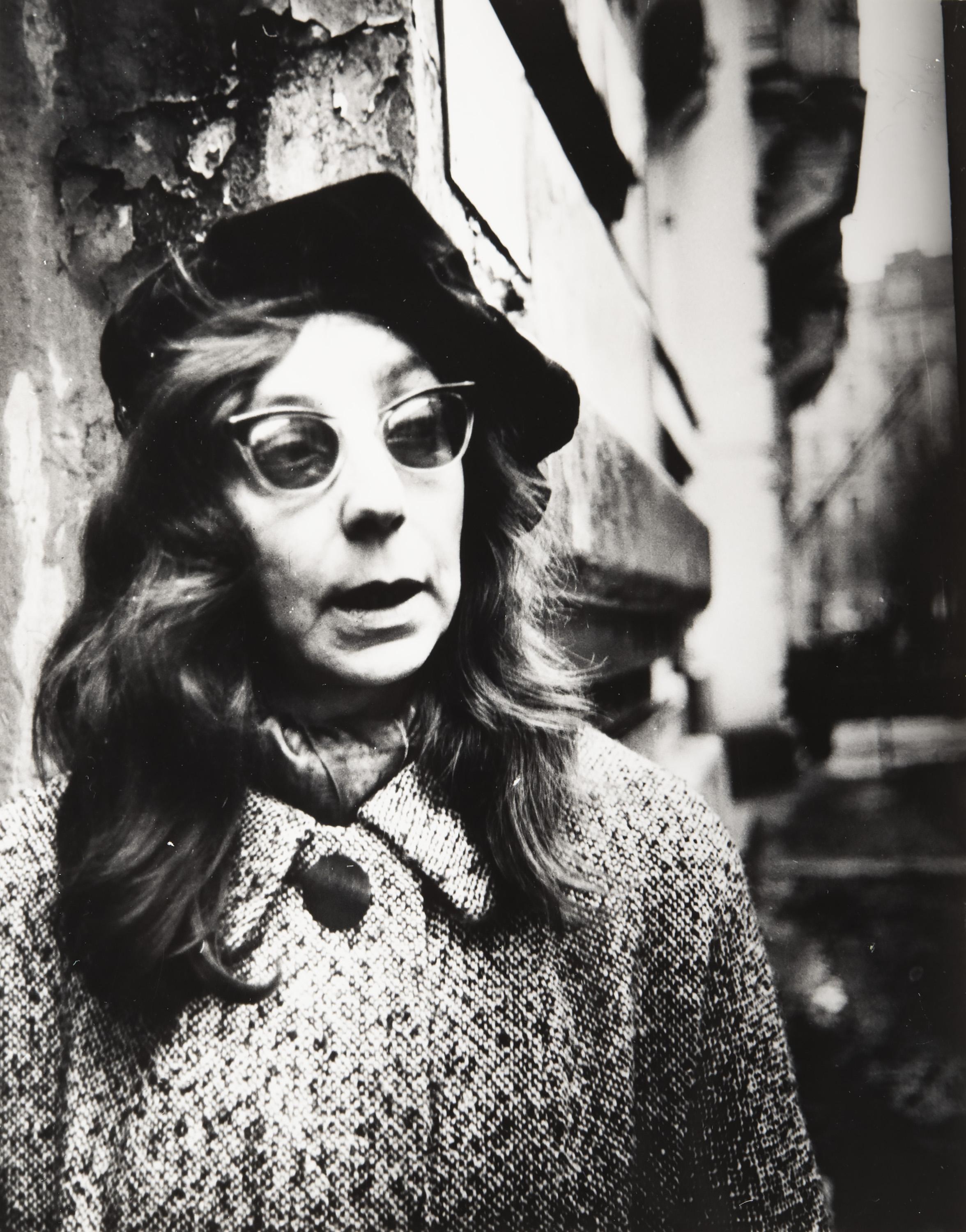
Maija Silmale, 1970. Gelatin silver print on paper, 29.9 × 22.7 cm (11 3/4 × 8 15/16 in.). Norton and Nancy Dodge Collection of Nonconformist Art from the Soviet Union. D16701

Cabbages, 1972. Gelatin silver print on paper, 39.8 × 24.2 cm (15 11/16 × 9 1/2 in.). Norton and Nancy Dodge Collection of Nonconformist Art from the Soviet Union. D19045