
Kaja Kärner
1920 Tartu (Estonia) — 1998 Tartu (Estonia). Lived and worked in Tartu and Tallinn (Estonia)
Kaja Kärner (née Otsason) was born on August 3, 1920, in Tartu. She began her art studies in Tallinn, where she studied at the State School of Arts and Crafts from 1937 to 1939. From 1940 to 1941, she studied at the Konrad Mägi Higher State School of Art; from 1941 to 1943, at the Higher Art School Pallas; and from 1944 to 1948, at the Tartu State Art Institute. In 1941 she married a fellow student, the talented young artist Ülo Kärner (1915–1941), who was killed in World War II later that year. Their son, Olavi (1942–2016), who later became a renowned mathematician and atmospheric physicist, was born in early 1942.
Kärner graduated from the Tartu State Art Institute in 1948 as a student of Ado Vabbe, one of the most famous avant-gardists in Estonia during the first half of the twentieth century. As a talented graduate, Kärner was appointed a lecturer at the Tartu State Art Institute and, as an artist who had already exhibited, she was immediately accepted as a member of the Union of Artists.
Kärner belonged to a generation that entered the art arena in the late 1940s with great vigor but became one of the most devastated generations in Estonian art history owing to Stalin’s repressions. On fabricated political charges, a large number of her friends and schoolmates were sent to Siberian prison camps in late 1949. Kärner stayed in Tartu but had a hard time with the authorities. In 1950, as political repressions continued, the prominent teachers Ado Vabbe, Anton Starkopf, and Aleksander Vardi were forced to leave the Art Institute and Kärner was dismissed. She was also expelled from the Union of Artists, making it practically impossible for her to buy art supplies. In the following years, she worked as a sign painter at Tartu Market Department. She began to exhibit again in 1958.
After the denunciation of Stalinism in 1956, the artists of the legendary Tartu circle began to return home from the Siberian prison camps. The first Estonian postwar group—the 1960 Art Group—emerged from the reunited students and kindred spirits: the “boys” who had been released from prison camps and the “girls,” as they called themselves, who had survived the repressions in their homeland. Active from 1956 to 1970, the group included Kärner, Valve Janov, Silvia Jõgever, Lembit Saarts, Lüüdia Vallimäe-Mark, Heldur Viires, and Ülo Sooster. It acquired its name from an exhibition organized in 1960 on the premises of Tartu 8th High School—the first unofficial art exhibition in Soviet Estonia, where such self-organized exhibition practices were not allowed. The exhibition was banned and taken down, causing a political scandal. After this fiasco, the creative activities of the Tartu circle were mostly hidden from the public. Some of the most avant-garde works of Estonian art of the period were created out of sight in the homes of a circle of friends in Karlova, a suburb of Tartu. These artists worked intensively, inspiring and supporting one another and discussing art theory together. They drew inspiration from Ülo Sooster, who had settled in Moscow in 1957 and was in close contact with the informal circle of artists there. Kärner’s depictions of these gatherings of friends, together with her portraits of individual members of the group, give an intimate view of friendship and people who dedicated their lives to art in defiance of social political oppression (Listening to the Voice of America, 1959; Picture Viewers, 1971). Sooster’s first visit to Tartu is captured in Kärner’s painting Conversation (1958).
Kärner and the other members of the group were passionately engaged in searching for an informal artistic language and a new modern means of expression, as well as preserving prewar liberal artistic life and aesthetics. However, the predominantly underground work of the majority of the group’s members reached the public very slowly. Kärner’s first major exhibition, with her fellow group member Valve Janov, was held at the Tartu Art Museum only in 1971.
Kärner’s talent emerged early on, and her compositions from the war years reveal her as a sharp observer with a strong sense of color. She was able to use spare elements and notional imagery to convey the oppressive anguish of the war and subsequent occupation (Tartu, 1945; Horse Market, 1948). She created some of the keenest and most sensitive evocations of the moods of the 1950s. With a few strokes of her brush, she depicted situations that are very real but at the same time produce a distinct sense of dislocation, a haunting unreality, and a generous dose of situational comedy (Occupants in Kuressaare, 1957; Tiina and the Bread Transporters, 1957; In the Sauna, 1961). With their subtle color and edgy irony, her works offer insight into everyday life at the time, captured within an almost metaphysical world of her own (On the Armoire, 1961; Setting Moon, 1957; The Ruins of the Theatre Vanemuine, 1958; Salme Street at Night, 1975).
Kärner was one of the first artists in Estonia to take up abstraction in the postwar period, starting in 1956–57. Abstract art, a special chapter in the whole of Soviet-era Estonian art, was the first and strongest opposition to official socialist realism, and especially in the early 1960s, it became an almost forbidden art form. Needless to say, abstract works were not shown at the exhibitions of the time.
Kärner included abstract works and collages in her first solo exhibition at the Tartu Art Museum in 1971, but this part of her work was unmentioned in articles about the show. Indeed, it was not until the beginning of the 1990s that abstract art from this period became part of the overall picture of Estonian art history. For this reason Eda Sepp, a Canadian art scholar with Estonian roots, considers Kärner’s abstract tempera, watercolor, oil, and gouache paintings and color drawings quite exceptional for Estonia. It is in these works that Kärner’s masterly use of color is highlighted (Untitled, 1964–66), although color was important to the artist throughout her career. Her rhythmic, sometimes mosaic-like, and well-balanced compositions are characterized by a multiplicity of colors and tones. In her abstract compositions, Kärner sometimes used figures that appear to be silhouettes (Untitled, 1958–61), as well as urban architecture. Although the collages in the first solo exhibition received no press attention, Kärner, as a passionate bricoleur, had been creating exciting collages from 1957 onward, using all kinds of materials and photographic elements (Composition with a Clock, second half of the 1950s; Untitled, 1958–61).
The artist’s work also included a surrealist touch, especially in her india-ink drawings of the early 1960s. Her later paintings continued to include still lifes cityscapes, and genre scenes in subtle colors, including noteworthy large, slightly naive figural compositions of beach and summer scenes. In the 1970s and 1980s, Kärner devoted herself to landscape painting, spending many summers in southern Estonia capturing motifs of the hilly landscape. With her distinctive coloristic painting style, she holds an important place in the broader context of Estonian landscape painting. Open to new artistic directions, she was also briefly fascinated by hyperrealist painting in the 1980s, achieving her most interesting and dynamic result in Inspection (1983).
In 1984 Kärner again became a member of the Estonian Union of Artists, and from 1989 she was a member of the Tartu Art Society. She also taught the Long-Distance Visual Arts Courses of the Tartu Art Museum for many years and was one of the founders of the Tartu Art Society’s free academy-like art studio (Konrad Mägi Studio), as well as one of its main lecturers from 1988 to 1998.
Kersti Koll

Untitled, 1958–61. Watercolor and collage on paper, 34.3 x 27.1 cm (13 1/2 x 10 11/16 in.). Norton and Nancy Dodge Collection of Nonconformist Art from the Soviet Union. D18613
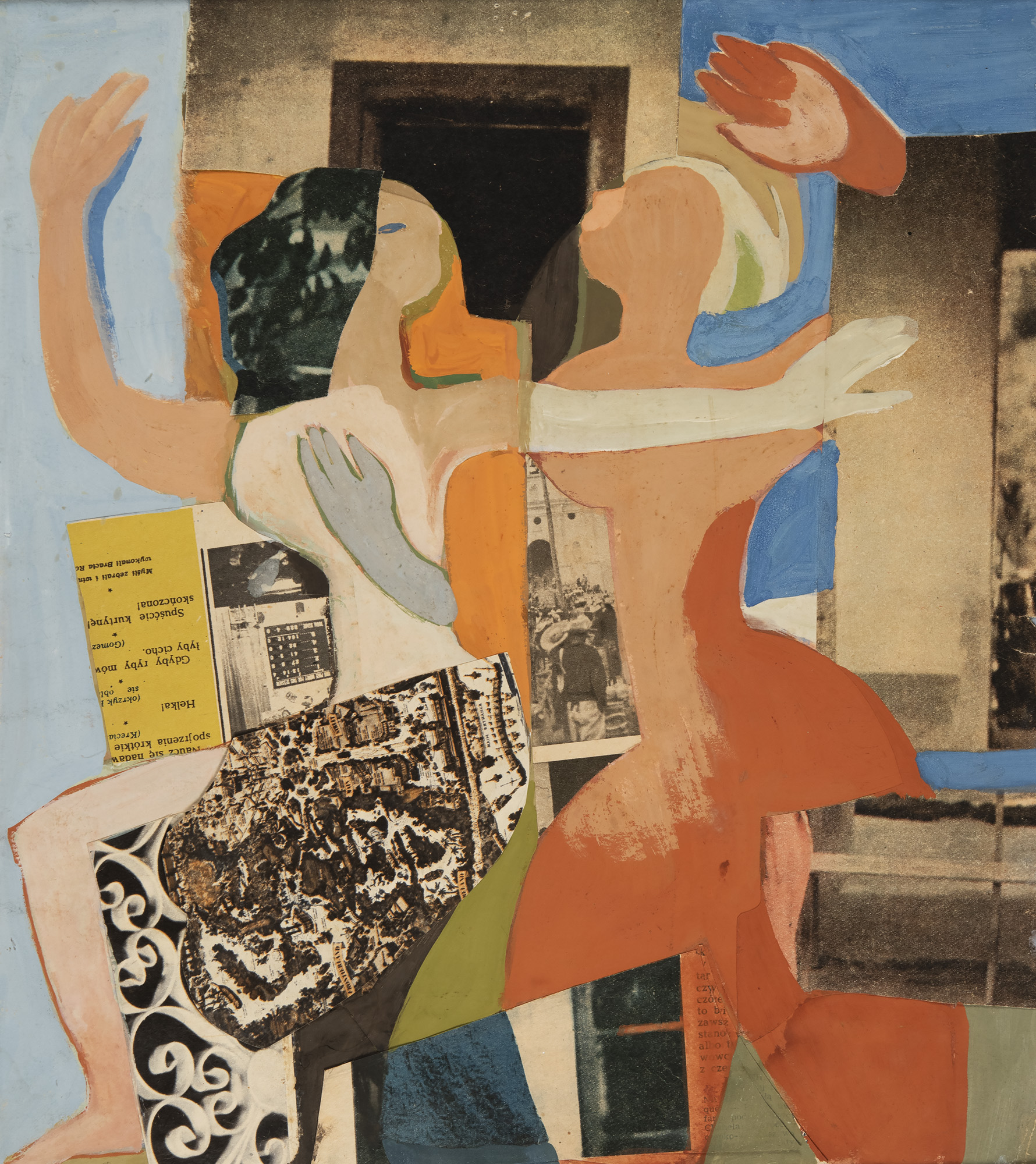
Untitled, 1958–61. Gouache and collage on posterboard, 40 × 35 cm (15 3/4 × 13 3/4 in.) Norton and Nancy Dodge Collection of Nonconformist Art from the Soviet Union. D18609
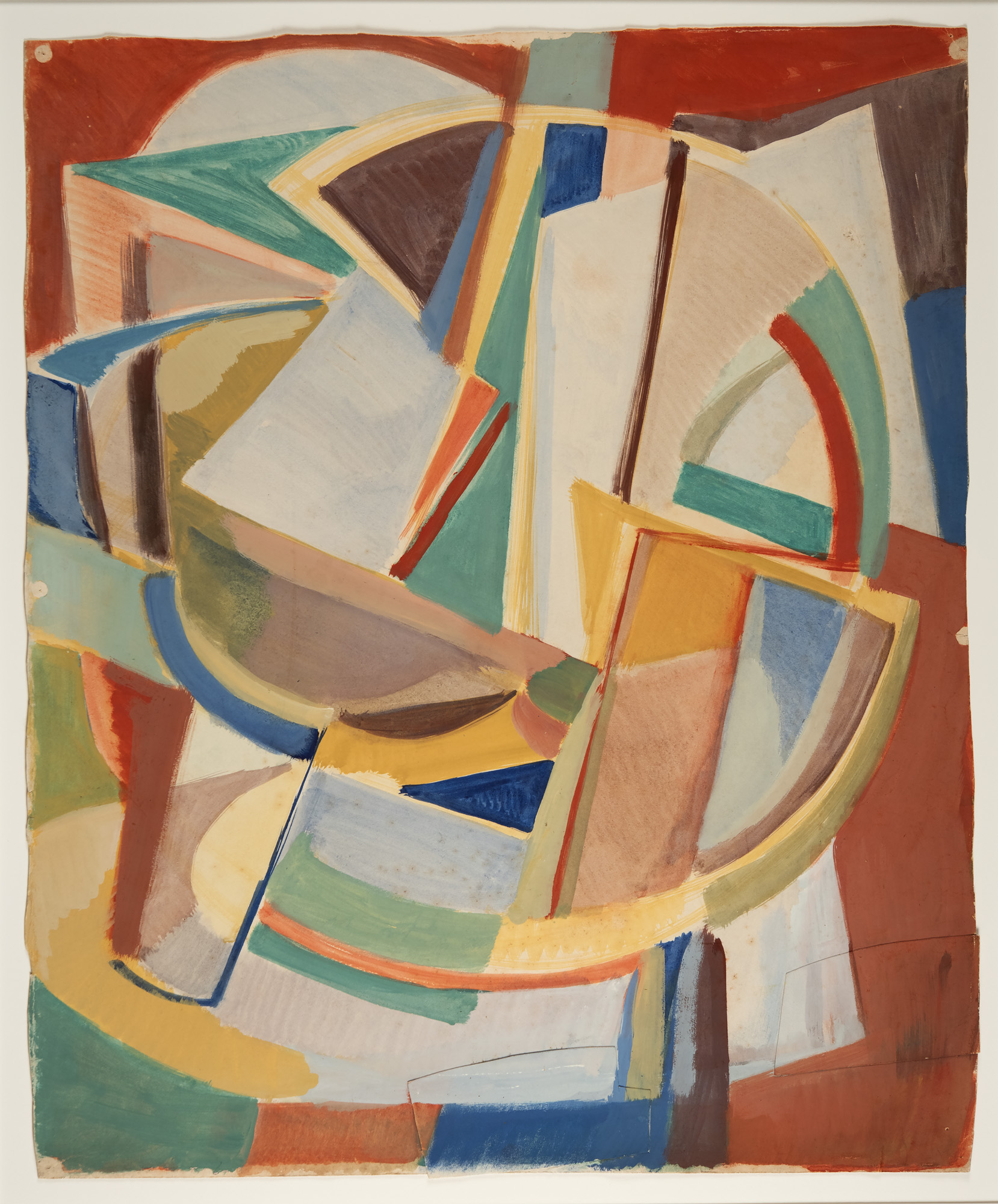
Untitled, 1964–66. Gouache and paper collage on paper, 65.5 × 55 cm (25 13/16 × 21 5/8 in.). Norton and Nancy Dodge Collection of Nonconformist Art from the Soviet Union. 2000.1025
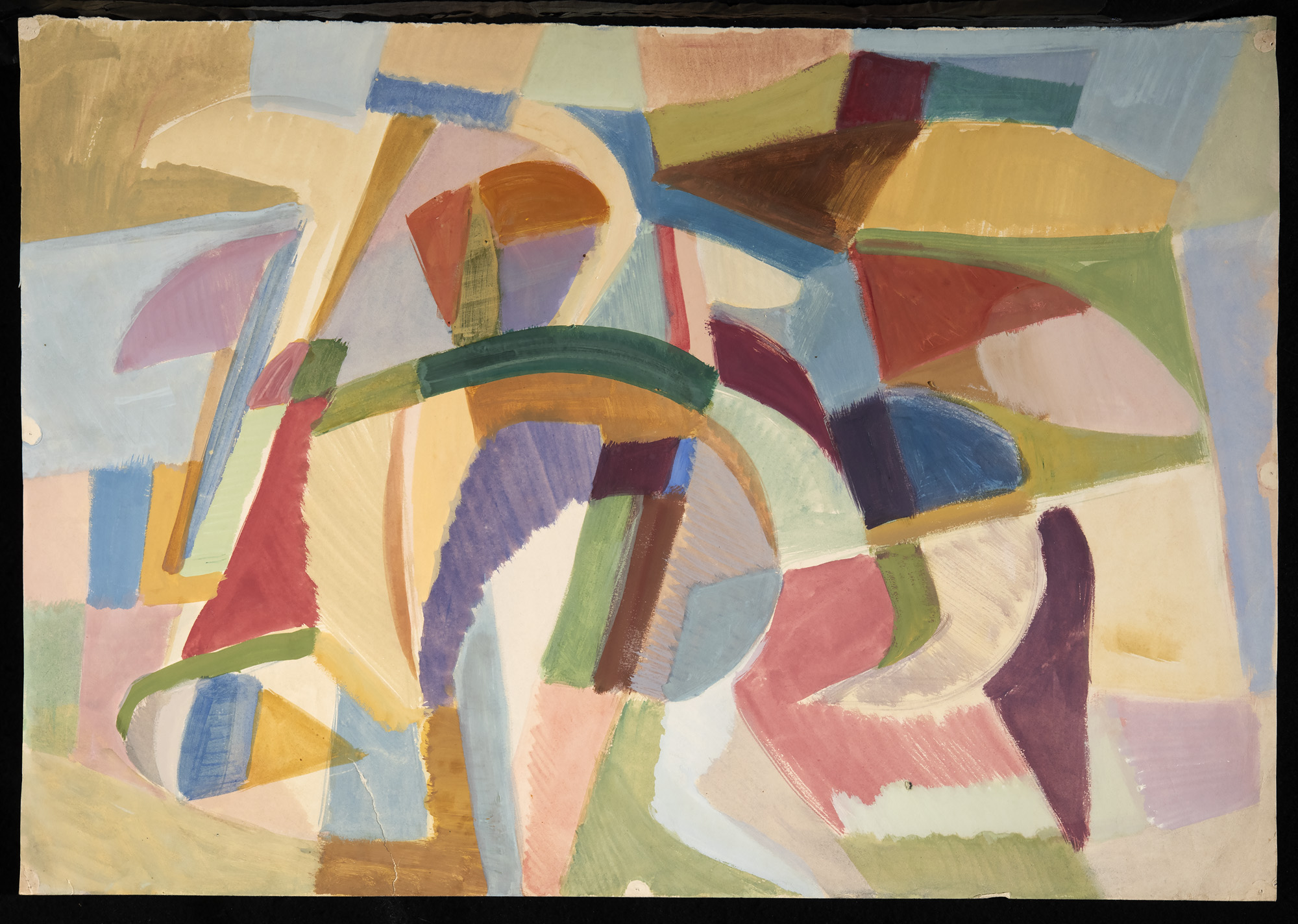
Untitled, 1964–66. Gouache and watercolor on paper, 64.8 × 44.9 cm (25 1/2 × 17 11/16 in.). Norton and Nancy Dodge Collection of Nonconformist Art from the Soviet Union. D18625
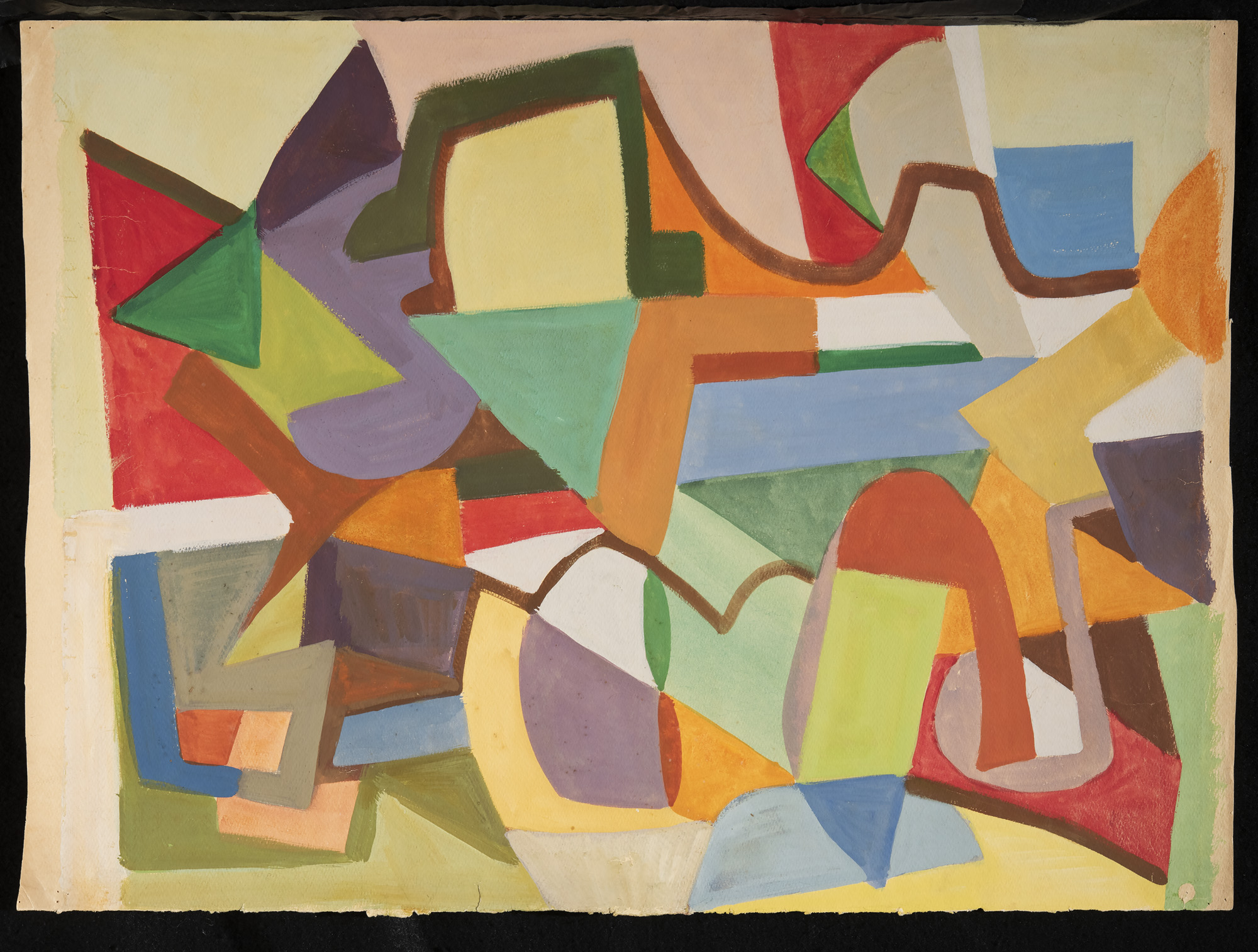
Untitled, 1964–66. Tempera on paper, 68.6 × 50.2 cm (27 × 19 3/4 in.). Norton and Nancy Dodge Collection of Nonconformist Art from the Soviet Union. 2000.1024
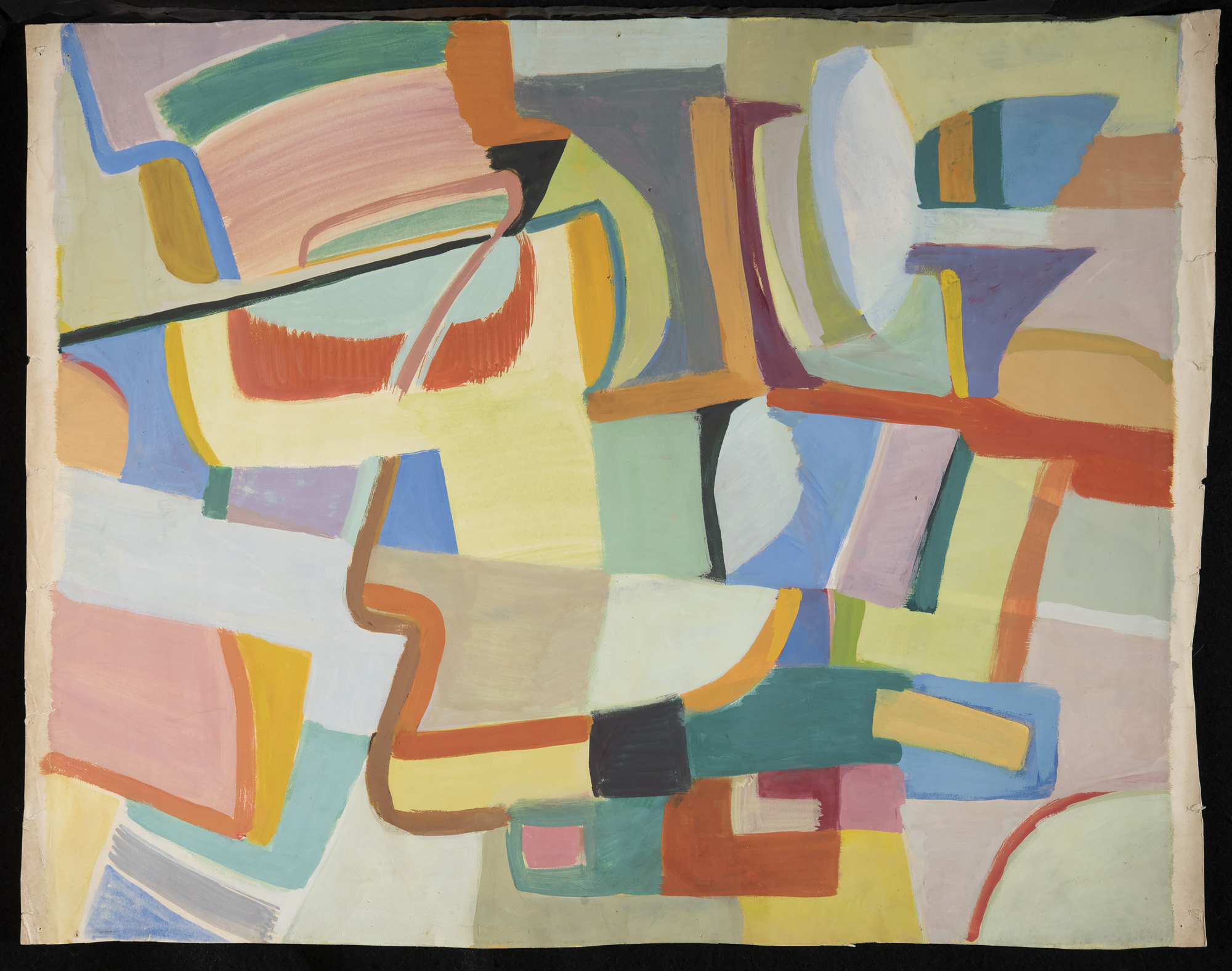
Untitled, 1964–66. Tempera on paper, 67.5 × 54.7 cm (26 9/16 × 21 9/16 in.). Norton and Nancy Dodge Collection of Nonconformist Art from the Soviet Union. 2000.1026