
Jüri Kask
1949 — Kolga-Jaani (Estonia). Currently works in Viljandi County (Estonia)
Jüri Kask has been one of the most consistent practitioners of geometric abstraction in Estonian art, despite early condemnation from Soviet officials. At the beginning of his studies, he had already realized that he wanted his art to solve formal questions. Looking back today, we can say that Kask has been fascinated by broad formal analyses. Even more, he strives for the absolute: the absolute purity, simplicity, and completeness of forms.
Kask studied design at the Tartu Art School from 1965 to 1969 and painting at the State Art Institute of the Estonian SSR (today’s Estonian Academy of Arts) in Tallinn from 1969 to 1974. He stated in an interview that the four years in Tartu were the happiest of his life, while the next five years in Tallinn were the most difficult ones: “Our painting teacher came from Leningrad. We had no freedom of speech, and, moreover, the Moscow Academy still controlled all higher schools in the Soviet republics. Further comments would be superfluous.” [1] After graduation he worked as a freelancer until 2011, when he began to teach drawing, painting, and composition at the University of Tartu, a role he held until the closure of its painting department in 2015.
Kask began to attract attention in the Estonian art world in the early 1970s through the monumentality and urban themes of his paintings, which depict the urban environment with its anonymous human faces and figures and with the energy and dynamism characteristic of cities.
Kask found that drawing came easily to him, whereas painting was a challenge and therefore more exciting. In his early period, from 1961 to 1971, drawing dominated his work. In formal terms, line alone provided numerous solutions. The central role of the pure line has also been realized in Kask’s paintings. This continued until the moment he “discovered” color: “I immersed myself in color, and it overwhelmed me; it was like transitioning from a silent film to a talkie,” he said in an interview in 1992. [2]
In the 1970s, Kask enthusiastically dived into geometric abstraction, a movement represented in Estonia by such artists as Leonhard Lapin (1947–2022) and Sirje Runge (b. 1950). In Kask's work from the 1970s, we see powerful color-based compositions and clear signs of pop art. This is evident both in his aesthetic solutions and in his themes of urban spaces, with their vices and charms, speed and energy, car accidents, colorful advertising posters, skyscrapers, stairs, and much more.
Gradually, Kask distanced himself from oil paint and started to use enamel and acrylics. Whilehuman figures were clearly present in Kask's works during the 1970s (for example, Ride, 1977, and Talk, 1978, both in the Art Museum of Estonia), he soon began to move away from recognizable narratives and motifs.
The end of his first major creative period can be marked by the 1981 group exhibition including his work, along with that of Ando Keskküla (1950–2008), Andres Tolts (1949–2014), and Rein Tammik (b. 1947), at the Tartu Art Museum. This exhibition showcased artists who had emerged onto the Estonian art scene in the 1970s as pop artists, in rebellion against traditional painting styles.
In the 1980s, Kask achieved pure geometric abstraction (for example, Untitled I, 1987; Untitled II, 1988, both in the Art Museum of Estonia). While the rhythms of the contemporary city characteristic of the previous decade were still perceptible, the keywords increasingly began to change: words, such as “harmony,” “order,” and “chaos,” come to the forefront. From the mid-1980s, Kask framed the color fields in his large-format paintings with sharp contours or fashioned them into independent networks, as if he were trying to structure and organize the space and room around him. Critics in the 1980s already referred to him as a painter who uncompromisingly continued to evolve in his own style. By the end of the decade, it was clear to the representatives of official Soviet art policy that the Estonian art scene was becoming increasingly uncontrollable, witnessed by the rise of abstract art, a style that had previously been unpopular, even forbidden. By that time, the fundamental principles of Kask's work had clearly emerged: a constructive and architectonic mindset, an interest in the structure of form and color, the use of pure colors on the spectrum, smooth paint surfaces, a sharp sense of rhythm, and spatial-planar relationships.
Reflecting on Kask’s artistic evolution, one can say that he did not really follow the mainstream of contemporary art of his time or allow himself to be influenced or swayed by anyone. On the contrary, he consciously followed his own chosen path, regardless of how much it was favored or criticized by the public. In 1991 the Estonian Artists’ Union offered him one of Estonia’s most prestigious exhibition venues: all the rooms of the Tallinn Art Hall and, additionally, the lower floor gallery. It was a significant gesture that marked both the complete liberation of artistic life from the previous oppressive political system and the absolute recognition of Kask’s work.
This major retrospective was followed by a scholarship bestowed by the artists’ union. In 1992 he received the oldest and most prestigious art award in Estonia—the Kristjan Raud Prize. In the same year, he also received the Estonian Cultural Prize. Such decisions and choices were in a way compensation for the opposition Kask faced during the Soviet period, when the abstract painting style he chose was in disfavor under socialist art policy. This disapproval took the form of “reportings” (in reality they were interrogations of Kask by both the KGB and officials of the Estonian SSR Art Institute) in the 1970s and 1980s, one reason why he still does not like giving interviews. [3]
Nowadays, Kask's paintings are distinguished by monumental dimensions, occupying ceiling as well as floor spaces. The unprecedented amplitude of his paintings requires time. Kask starts with sketches, which he gradually structures and refines. He then transfers them to tracing paper and subsequently onto large surfaces. In 2018 his painting Hitting the Ceiling (2017, 4 x 3 m) was exhibited at the Tallinn Art Hall (Annual Exhibition of the Estonian Artists’ Association). That same year, he received a second prestigious art award—the Konrad Mägi Prize—for this work and for the Slow and Steady exhibition.
Jüri Kask´s art is the expression of an endless process that seeks clarity in the world’s madness through a maze of lines and forms.
Kadri Asmer
Photo portrait: Jüri Kask, 1992. Photo by Kalju Suur. Art Museum of Estonia. EKM j 61638 FK 4756
Notes:
1. Roger Pierre Turine, “Le plaisir d'un puzzle sans fin” [The Pleasure of an Endless Puzzle], La Libre, November 16, 2005.
2. Jüri Kask: “Kunst on nagu keel, kaasasündinud vajadus suhelda, jälg jätta” [Jüri Kask: "Art Is Like a Language, an Innate Need to Communicate, to Leave a Mark”), Ants Juske’s conversation with Jüri Kask, Kunst 1 (1992): 34–37.
3. For example, Jüri Kask’s personal exhibition Slow and Steady, held at the large gallery of the Tartu Art House, September 22–October 15, 2017
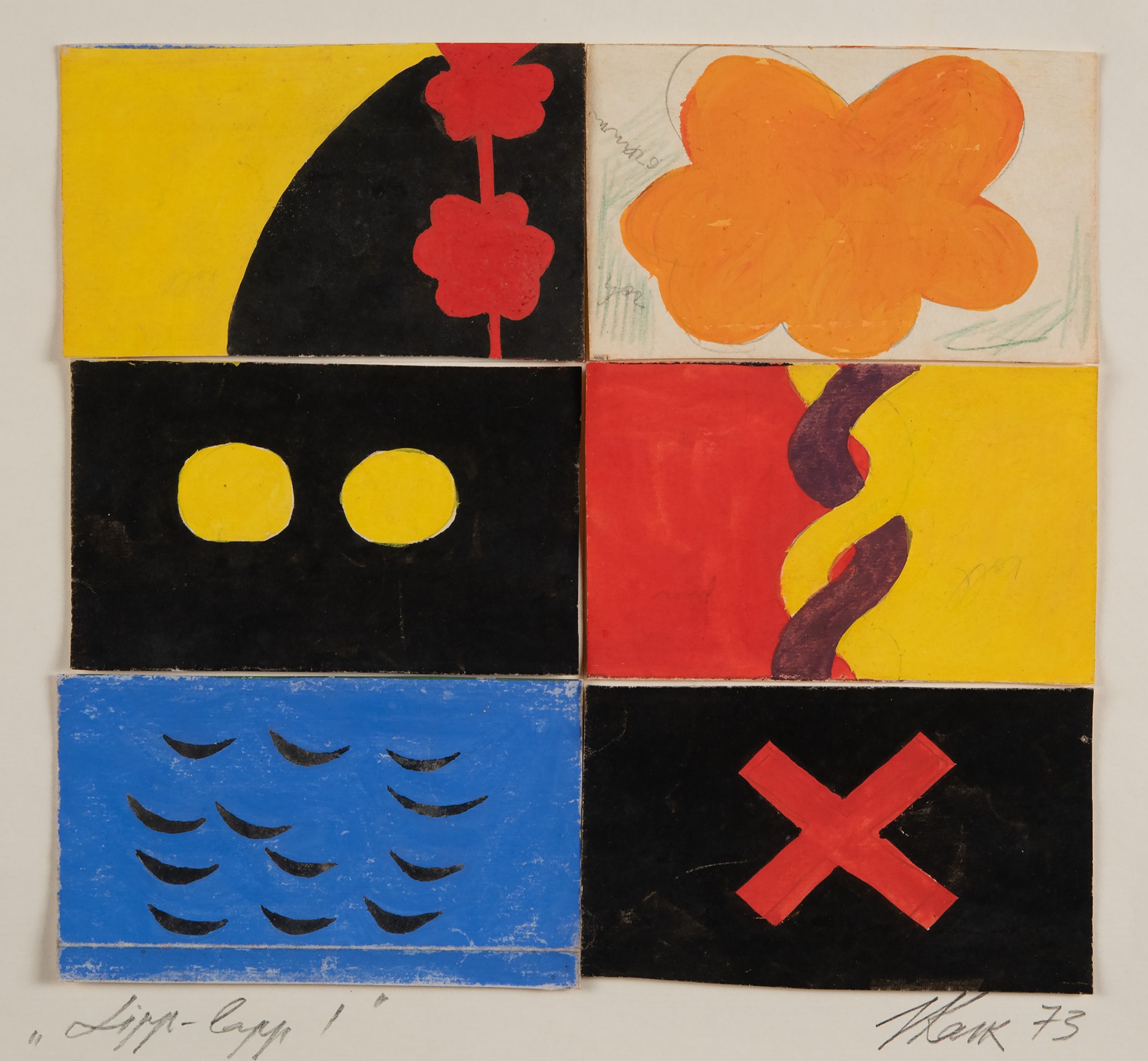
Patch On Patch 1, 1973. Collage and gouache on paper, 18 × 20 cm (7 1/16 × 7 7/8 in.). Purchased with funds donated by Norton Dodge and Nancy Dodge. 1999.0325.001
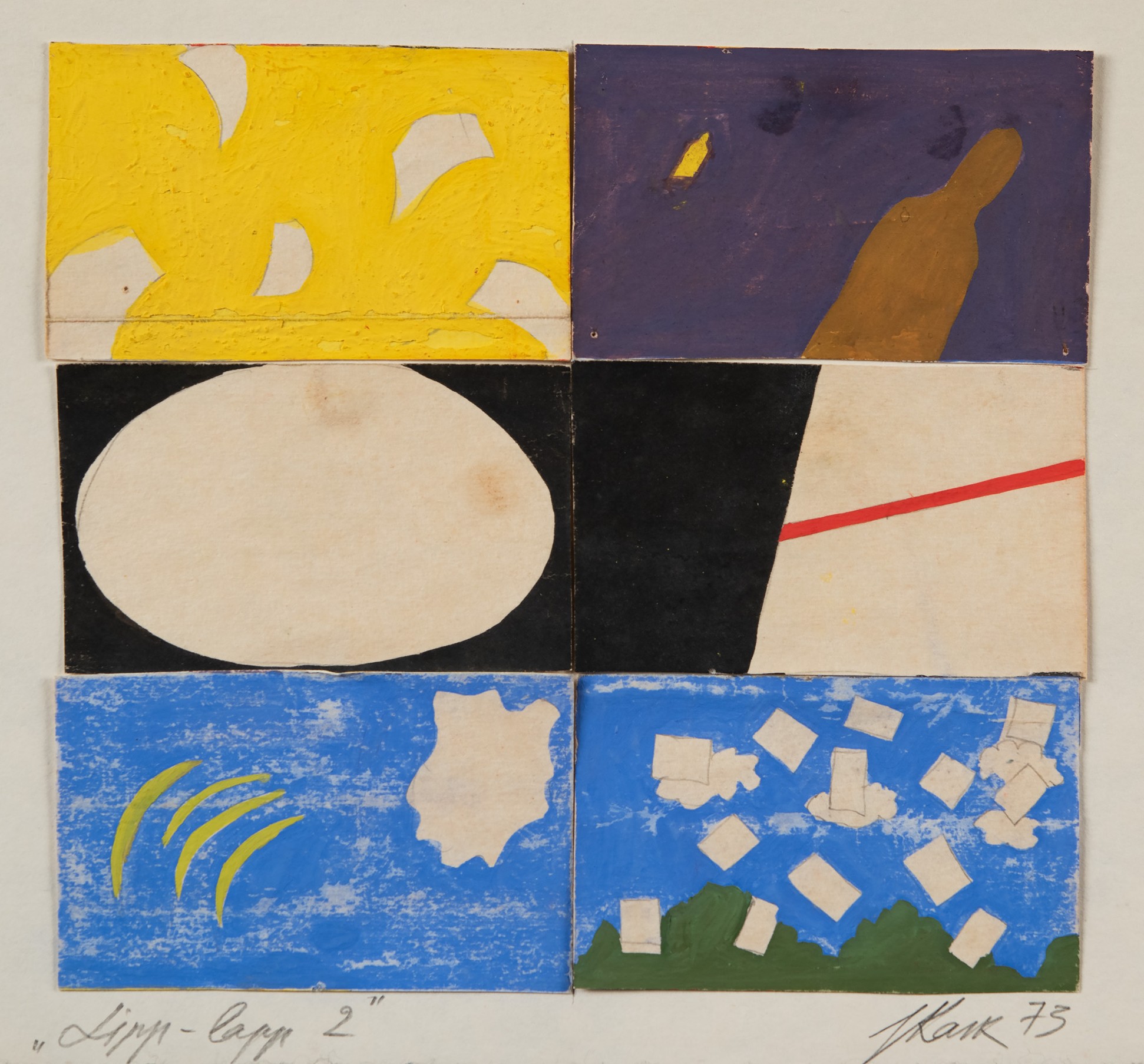
Patch On Patch 2, 1973. Collage and gouache on paper, 18.3 × 19.7 cm (7 3/16 × 7 3/4 in.). Purchased with funds donated by Norton Dodge and Nancy Dodge. 1999.0325.002
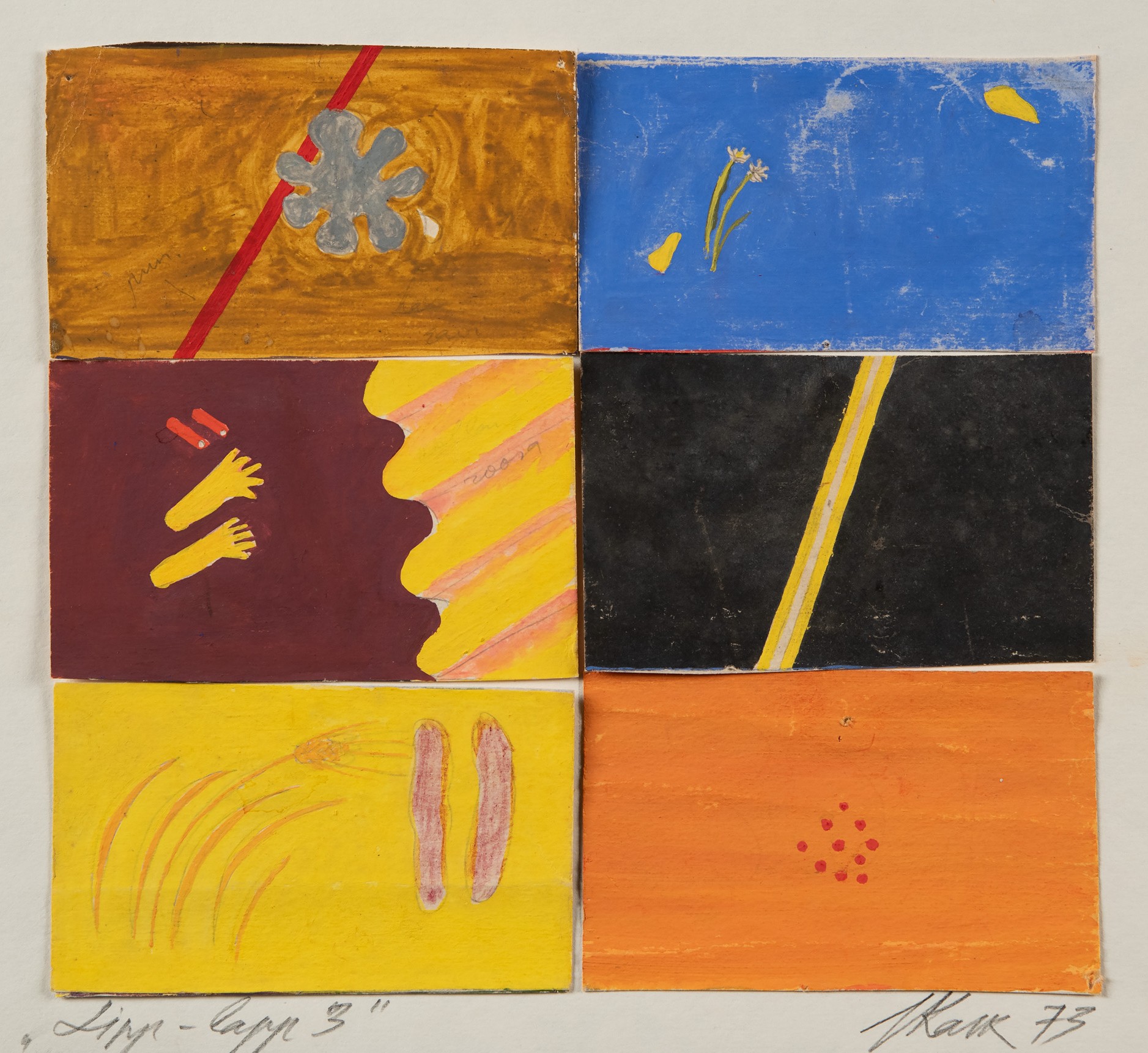
Patch On Patch 3, 1973. Collage and gouache on paper, 18 × 20 cm (7 1/16 × 7 7/8 in.). Purchased with funds donated by Norton Dodge and Nancy Dodge. 1999.0325.003
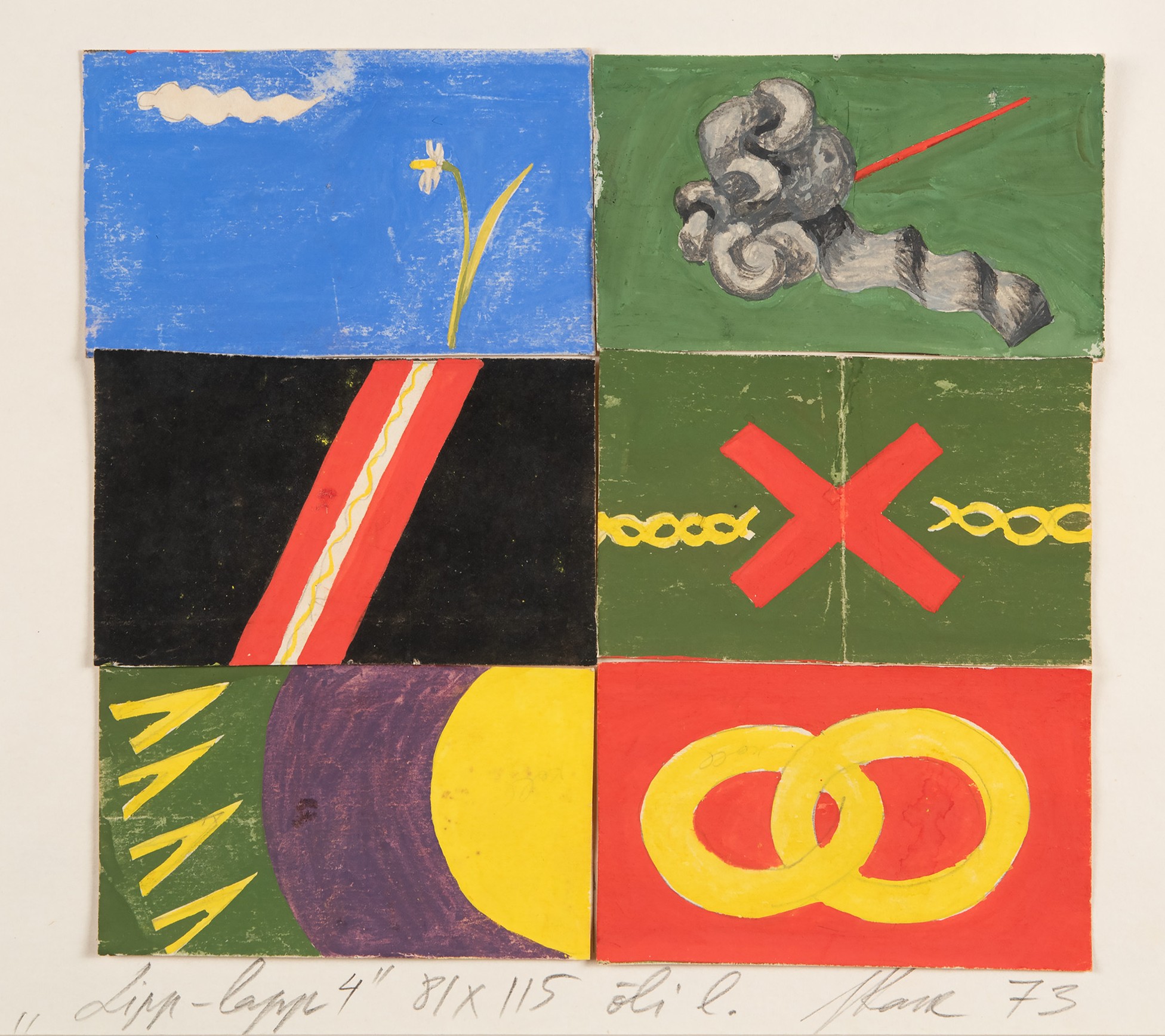
Patch On Patch 4, 1973. Collage and gouache on paper, 18 × 20.2 cm (7 1/16 × 7 15/16 in.). Purchased with funds donated by Norton Dodge and Nancy Dodge. 1999.0325.004
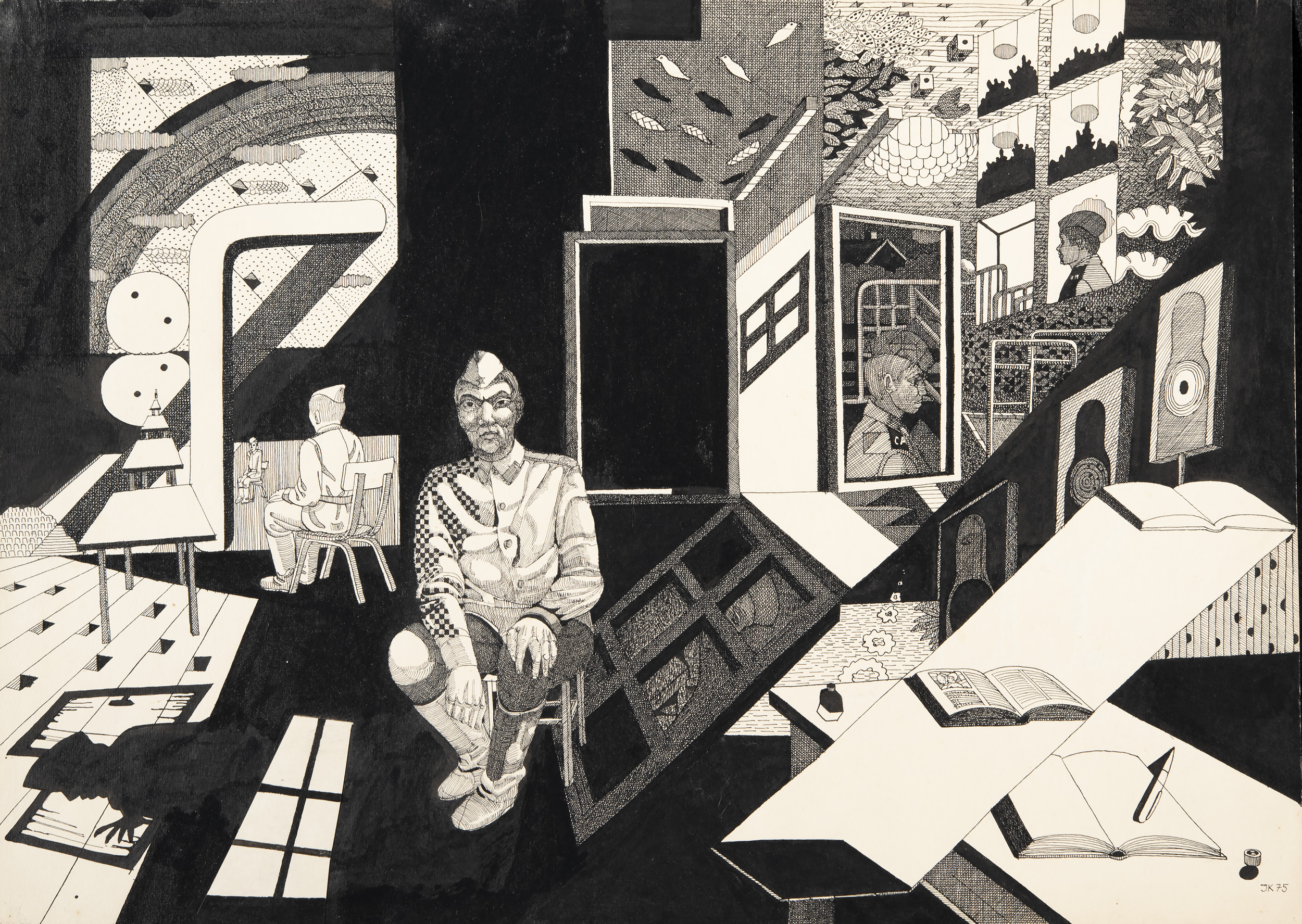
Soldier, 1975. India ink on paper, 31.8 × 44.2 cm (12 1/2 × 17 3/8 in.). Purchased with funds donated by Norton Dodge and Nancy Dodge. 1999.0330
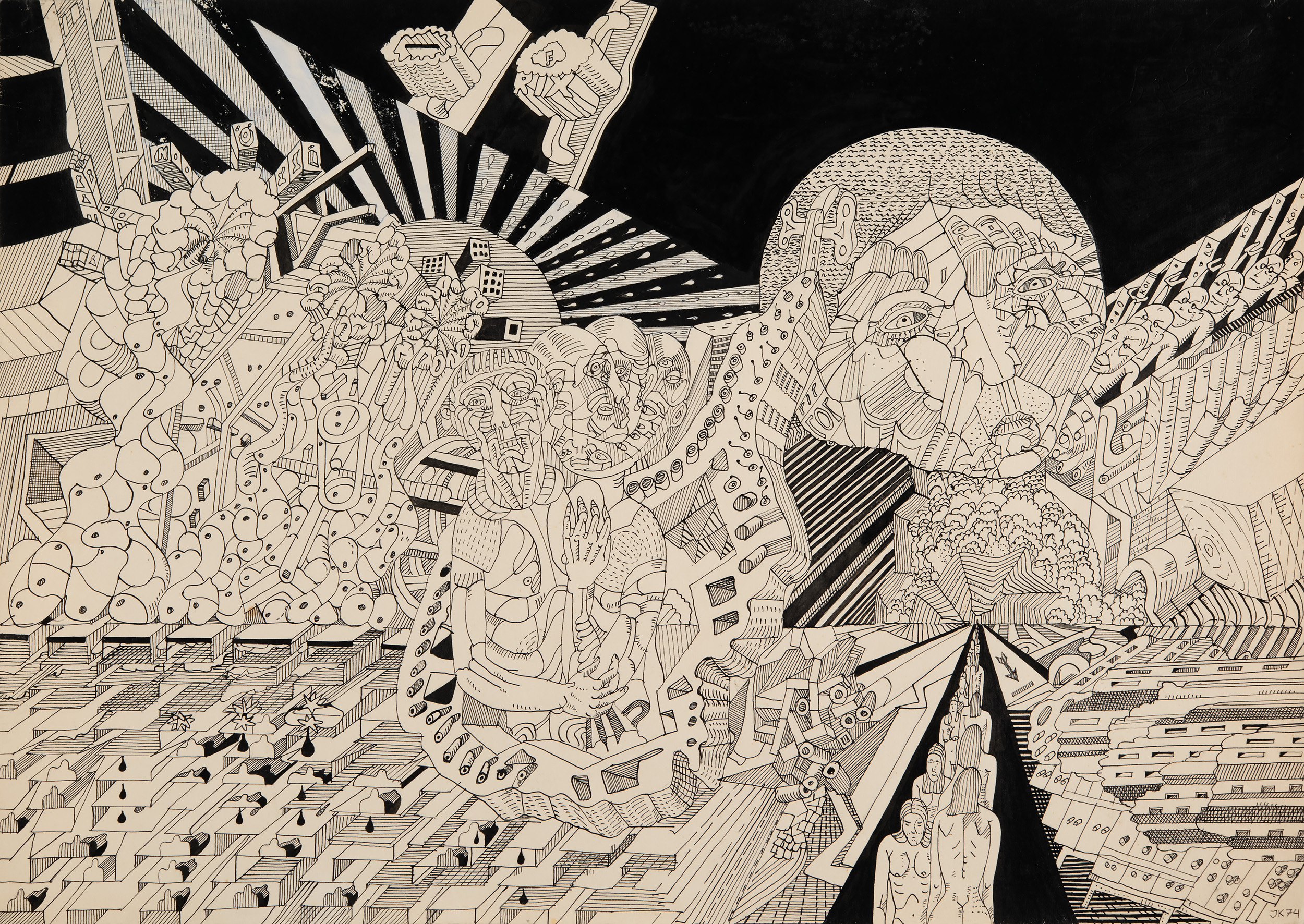
Apocalypse, 1974. India ink on paper, 30.8 × 43.2 cm (12 1/8 × 17 in.). Purchased with funds donated by Norton Dodge and Nancy Dodge. 1999.0331