
Evgeniy Pavlov
Born 1949 — Kharkiv (Ukraine). Worked in Kharkiv (Ukraine); since 2022 works in Graz (Austria)
The photographer and teacher Evgeniy Pavlov is a representative of the first generation of the Kharkiv School of Photography, having been one of the founders of the Время (Vremia, Time) group in the early 1970s.
While a student in the Economics Department of Kharkiv University in the late 1960s, Pavlov explored artistic photography after joining the Kharkiv Regional Photo Club. Although its members were mainly interested in technical issues of the photographic process, he met young, daring photographers there who, like him, wanted to go beyond the rules and prohibitions of official Soviet photography. Together, in the early 1970s, they formed the Vremia group, which was less a platform for collective work as a space for the free and safe testing of new ideas and methods. The group included seven other members: Anatoliy Makiyenko (b. 1949), Oleg Maliovany (b. 1945), Boris Mikhailov (b. 1938), Jury Rupin (1946–2008), Oleksandr Sitnichenko (1948–2018), Oleksandr Suprun (b. 1945), and Gennadiy Tubalev (1944–2006). Their persistent searching for new approaches to photography had become an inspiration to a generation of younger photographers by the second half of the 1980s, and the two generations began to engage in dialogue and argument. At the end of that decade, this artistic community came to be called the Kharkiv School of Photography. Today, it is an artistic movement unprecedented in scale and duration in the former Soviet Union, comprising three generations and more than thirty representatives, and still dynamic and evolving.
In 1972 Pavlov created his Violin series (1972, ZAM, D10695, D10696, D10697, D10697), which became a milestone for the Kharkiv photographic community. Its subjects, a group of naked Soviet pseudo-hippies, wander around a deserted island, passing back and forth a violin, which becomes an autonomous character in the series. Photographing the naked male body carried the risk of prosecution because of the Soviet bans on pornography and homosexual propaganda. Violin also derives protest power from its allusion to the marginalized subculture of Soviet hippies, who formed their own interpretation of the wider movement, inspired by fragments of information that leaked out of the West. The following year, some photographs from Violin were published by Fotografia, a Polish magazine that was influential for the Kharkiv photographers, causing a stir in the local community. Pavlov never managed to enjoy the success of his first published work, however, since he was doing his military service in the Soviet army at the time.
Upon his return to civilian life, Pavlov decided to deepen his professional education in photography. Because of the lack of specialized photography training programs, he chose a career as a cinematographer and enrolled in the Karpenko-Kary Kyiv State Institute of Theatrical Art (now the Kyiv National Ivan Karpenko-Kary Theatre, Cinema and Television University). Although Pavlov’s next years in Kyiv were spent working in the film industry and in television, the practice of photography remained important to him. Thus, in 1976, he created a new photographic series, Love, which, like Violin, has a playful quality. It features two young men and the photographer’s future wife, cocreator, and performer in many of his projects, the art historian Tetiana Pavlova. Together, they acted out a surrealistic performance that suggests a love triangle. Here, the use of the naked body as a gesture of protest and the struggle for freedom of expression, already present in Violin, is complemented by the motif of cross-dressing.
In the early 1980s, upon his return to Kharkiv, Pavlov created a raw kind of social reportage, unique in his personal photographic practice but characteristic of Kharkiv photography in general. In his series Alcoholic Psychosis (1983, ZAM, D10701, D10702, D10703, D10704, D10705, D10706, D10707), shot in the Saburova Dacha psychiatric hospital, Pavlov portrayed a person in a state of alcoholic agony. The photographs fragment the body, focusing on isolated parts: thin, twisted wrists, bound legs, and a contorted face. Alcoholic Psychosis displays Pavlov’s characteristic references to European painting, such as the iconography of Christ in the tomb, as well as an allusion to the banned poem Moscow—Petushki, by Venedikt Yerofeyev.
After he completed this series, classic photography no longer satisfied Pavlov, inspired by the Vremia group’s “theory of impact.” This theory focused on creating images that would halt viewers in their tracks, requiring them to contemplate the image more deeply and thoughtfully than the propaganda images of classic Soviet photographic reportage. In the mid-1980s, the group took to complicating the photographic image as a way to achieve this goal. Thus, Pavlov’s works Ecological Dream (1984), Contacts (1984), Alternative (1985, ZAM, D10879), Workshop (1986), and Alone with Myself (1987, ZAM, D10881) contain obvious traces of “nonphotographic” elements such drawings, grattage (a technique common in surrealist painting, where the surface of an artwork is scratched with a razor blade), crossings out, highlighting, and streaks of color. Among the most famous of Pavlov’s photographic montages from this period is the apocalyptic Alternative, where the photographer’s wife portrays the Madonna wearing a gas mask while civilization breaks apart into a chaotic mass of sculptural faces and architectural ornament.
In the Mythologies photo series (1988), Pavlov again involved his inner circle: his wife, son, and close colleague Mikhailov and his family. The actors’ ease in front of the camera was fostered by the sense of partnership among all those involved in the shooting process, which removed the hierarchical relationship between the model/subject and photographer. This collective process of creation was important to members of the Kharkiv school’s informal community.
The photo montages Contacts and Alone with Myself express this theme of communal creation in different ways. Contacts is a collective portrait of Kharkiv photographers in which everyone is connected by wire laid onto the photographic image. Alone with Myself is a meticulously glued montage structured like a church iconostasis, with the profile of Mikhailov at the lower left and small scattered characters made up of body parts of other Kharkiv photographers (Misha Pedan [b. 1957], Leonid Pesin [b. 1956], and Volodymyr Starko [b. 1956]) at the right. Despite the title, the author himself is absent from the collage, which presents a portrait of a microcommunity whose members are in constant contact and cooperation with one other, though not without competition and disagreement.
At the end of the 1980s, Pavlov turned to his archive, rethinking his earlier photographs. Among them are very personal images of Soviet life, showing a striking contrast between the pomp of official celebrations and the modesty of everyday life and capturing moments of inactivity, leisure, and domesticity that were left out of official visual culture. Pavlov noticed details common to defective Soviet photographic materials, such as scratches, dust marks, and random instances of glare in the prints. In contrast to the common practice of invasive retouching, which was mandatory before photographs were released in the Soviet Union, in this Archive Series (1988, ZAM, D10700, D10806, D10884, D10885, D10886, D10887, D10888) he decided not to “improve” or “clean” the images. Instead, he used strokes of color to emphasize the materiality of photography, problematizing the idea of the image as a transparent window onto the world.
Factory Life (c. 1990, ZAM, D10889, D10890, D10891, D10892, D10893) is another example of Pavlov’s work with photo archives. This time, it was an anonymous archive of photographs by a Kharkiv factory worker who documented its workings. After rescuing the photos from a landfill, Pavlov used them to develop a series of portraits that demonstrate the ability of photography to create fictional narratives. By combining found photo portraits with other background photos to create a context, he shaped the identity of each of the characters. Offering the viewer no guarantee of historical accuracy, Pavlov instead looked into the life of a particular social group through the eyes of an insider while simultaneously demonstrating the ability of photography, a seemingly objective tool, to mystify.
Using the same anonymous archive, Pavlov created two more series: Energy Portraits (1989) and Eclipse (1990). The latter, consisting of seven photographs, is based on a single group portrait of the workers at the factory, which goes through several transformations in the series: At first, the workers are hidden behind an opaque black rectangle, and then they gradually emerge, before disappearing again behind a white rectangle. The work can be seen as a series of reflections on the place of anonymous social groups in history; an expression of concern for the transition to a new millennium through the allusion to a solar eclipse, a cosmic event; and an example of Pavlov’s classic game of quoting art history, in the obvious reference to the Black Square of Kazimir Malevich (1879–1935). Nevertheless, the central motif of the series is a reflection on photography itself—the role of basic physical and chemical processes in the development process, and the artist’s handling and framing of the photographic material.
One of the leading ideas in Pavlov’s creative practice is the monumentalization of photography. He achieves this effect through both references to religious themes (as in Alternative and Alone with Myself) and the synthesis of photography with other art forms. Until the 1990s, he actively practiced this kind of synthesis in his art: introducing cinematic magnitude (e.g., Violin), graphic and painting techniques in montage, architectural forms (e.g., Blatarî vôspoda [1989]), and film storyboarding (e.g., Factory Life). Starting in 1996, Pavlov initiated a collaboration with the painter Volodymyr Shaposhnikov and Tetiana Pavlova, which resulted in the collective creation of three photographic series (Common Field [1996], Pairnography [1998], and Second Sky [2003]). The full realization of the last project—creating images that were both photos and paintings to cover the ceiling of the exhibition space, as in the Sistine Chapel—was achieved only in 2021, as part of the exhibition Sensitivity at Mystetskyi Arsenal in Kyiv.
The policies of perestroika and glasnost facilitated Pavlov’s participation in international exhibitions and the publication of his work. However, with the notable exception of Mikhailov, the real discovery of the Vremia group only began in the second half of the 2010s: Pavlov and his colleagues’ artworks were actively sought by Ukrainian collectors, and the main building of a new photography museum, the Museum of Kharkiv School of Photography (MOKSOP), is preparing to open its doors in Kharkiv, based on the archives of the Kharkiv school. In 2019 the PinchukArtCentre in Kyiv held a collective exhibition dedicated to this movement, and in 2022, more than a hundred works by Kharkiv photographers were bought by the Centre Pompidou in Paris for its collection.
Nadiia Bernard-Kovalchuk
Translated from Ukrainian by Nathan Jeffers

No. 7 from the series Violin, 1972. Photograph on paper, 30.5 × 13 cm (12 × 5 1/8 in.). Norton and Nancy Dodge Collection of Nonconformist Art from the Soviet Union. D10695
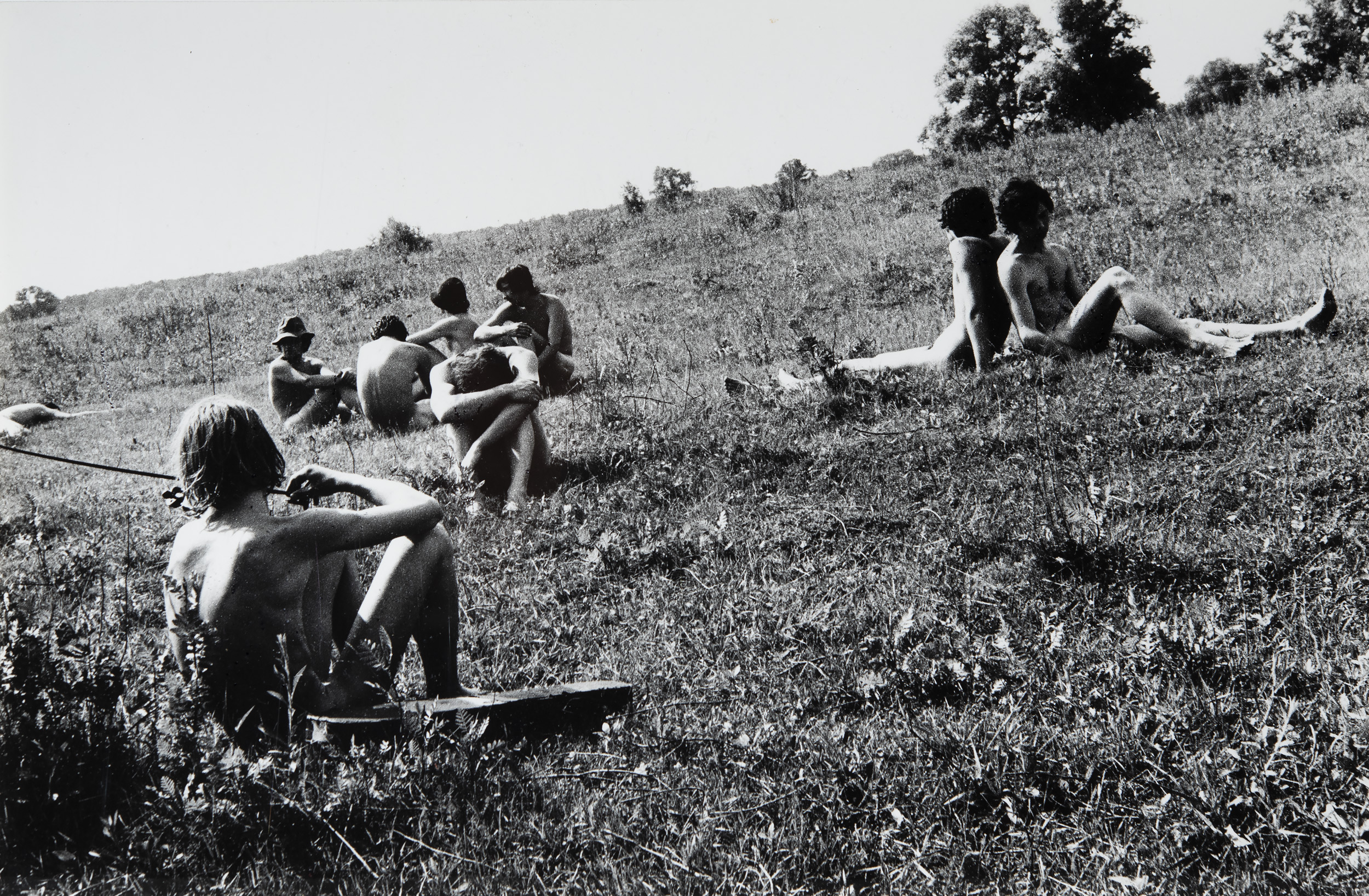
No.2 from the series Violin, 1972. Photograph on paper, 17.9 × 27.2 cm (7 1/16 × 10 11/16 in.). Norton and Nancy Dodge Collection of Nonconformist Art from the Soviet Union. D10698
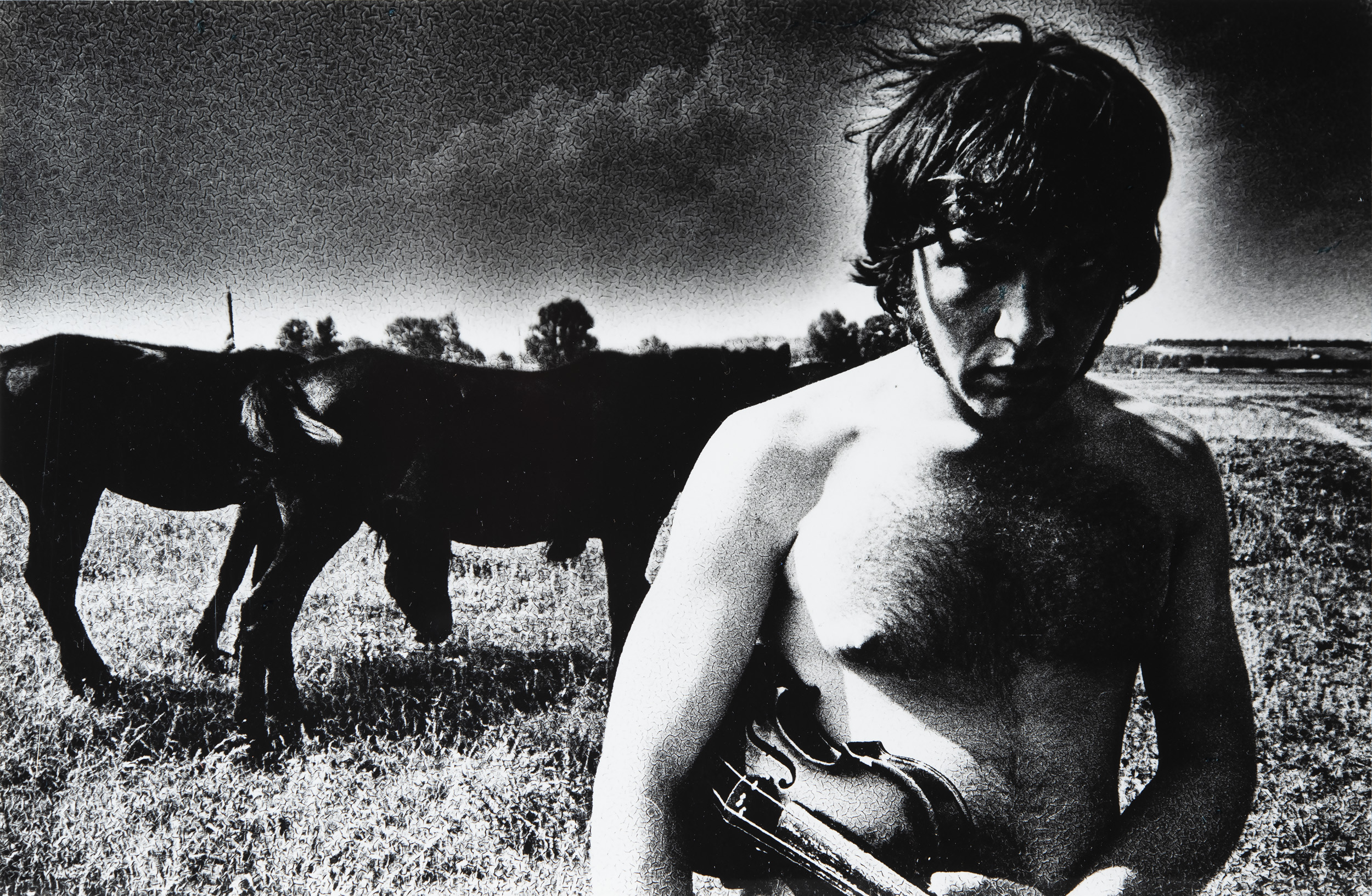
No.8 from the series Violin, 1972. Photograph on paper, 17.5 × 26.7 cm (6 7/8 × 10 1/2 in.). Norton and Nancy Dodge Collection of Nonconformist Art from the Soviet Union. D10697
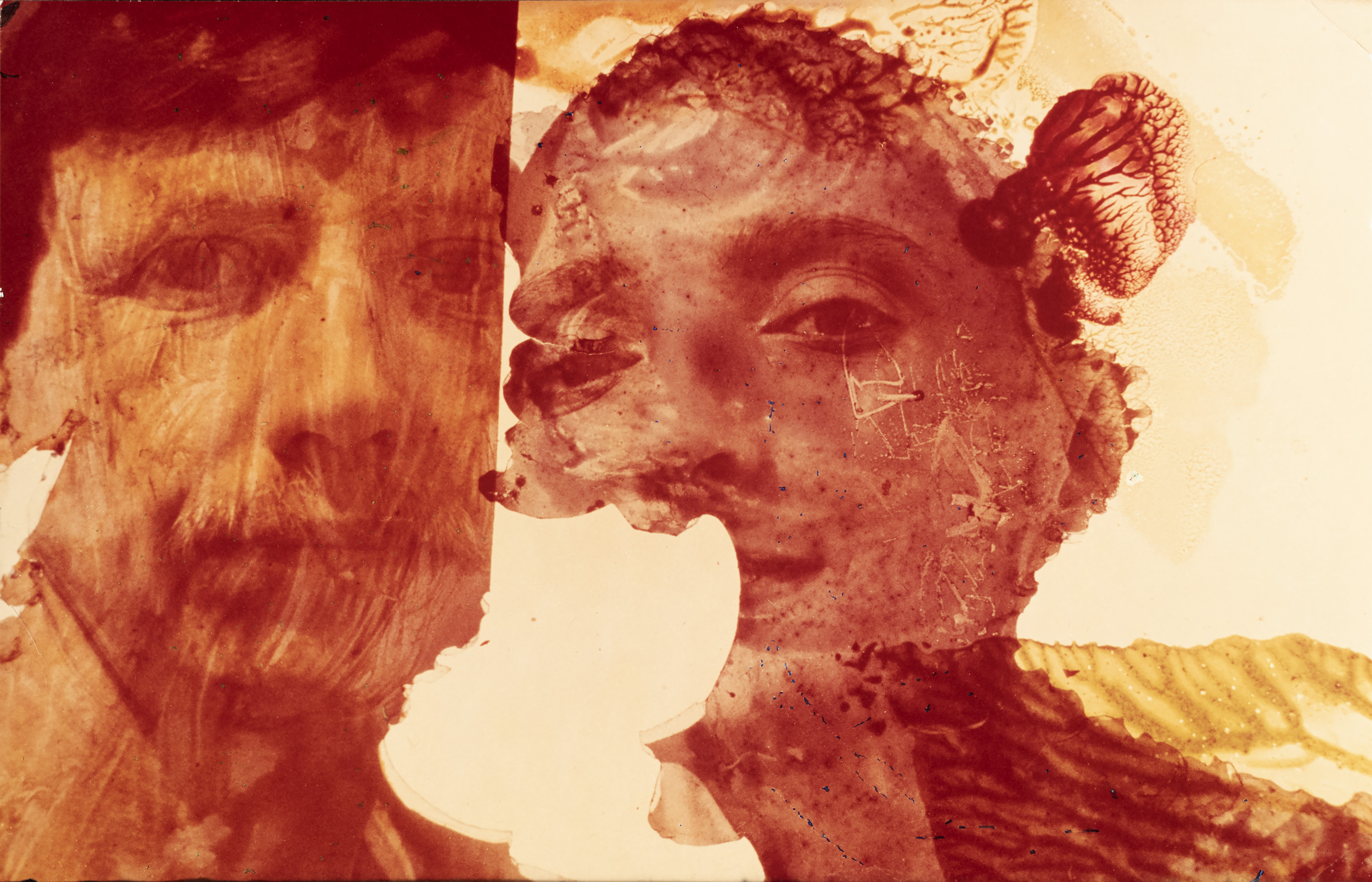
Self-Portrait with Wife, 1987. Photograph on paper, 23.6 × 36.5 cm (9 5/16 × 14 3/8 in.). Norton and Nancy Dodge Collection of Nonconformist Art from the Soviet Union. D10699
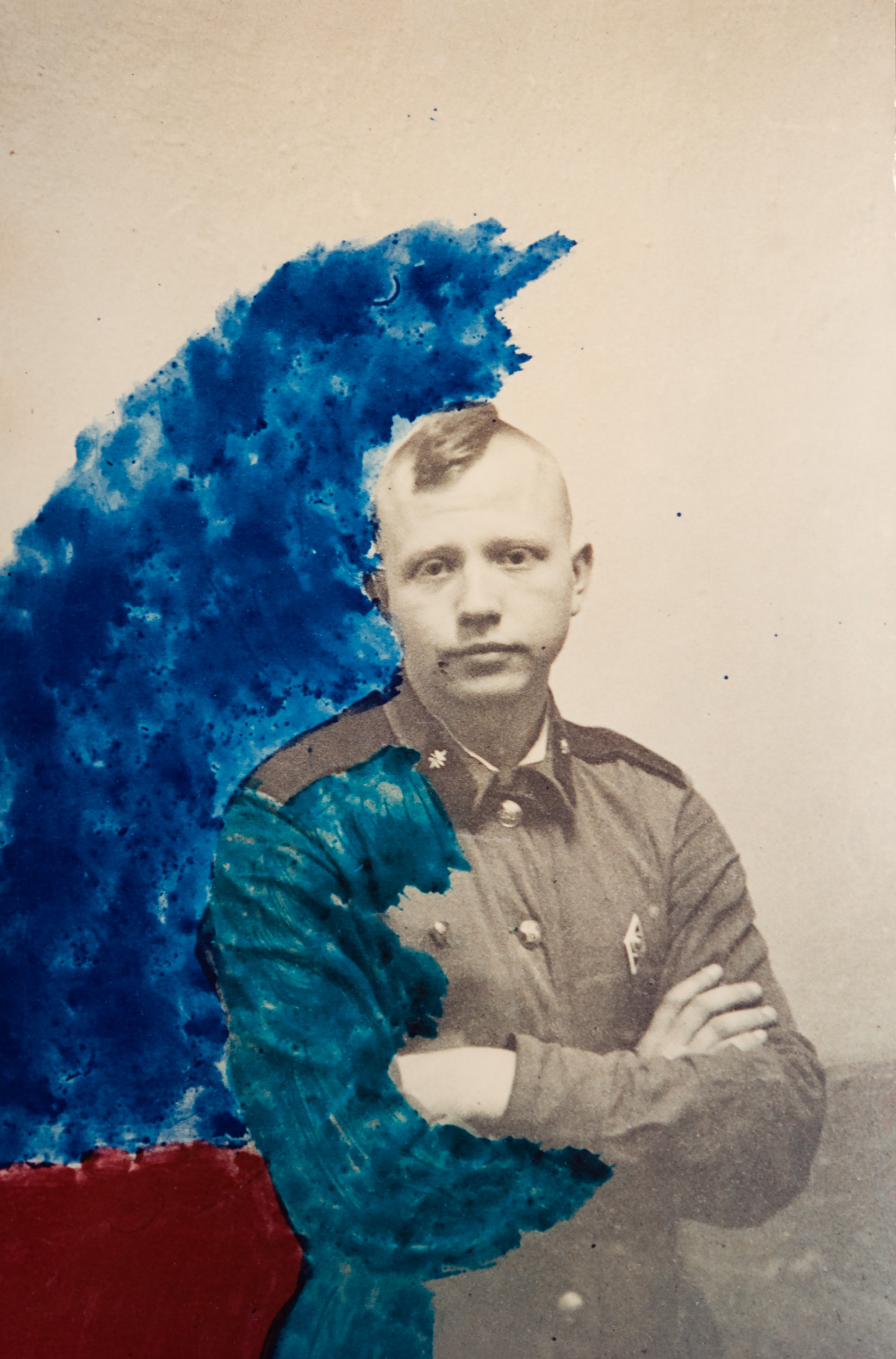
Military Self-Portrait (in Army), 1973. Handcolored photograph, 37.5 × 25 cm (14 3/4 × 9 13/16 in.). Norton and Nancy Dodge Collection of Nonconformist Art from the Soviet Union. D14095
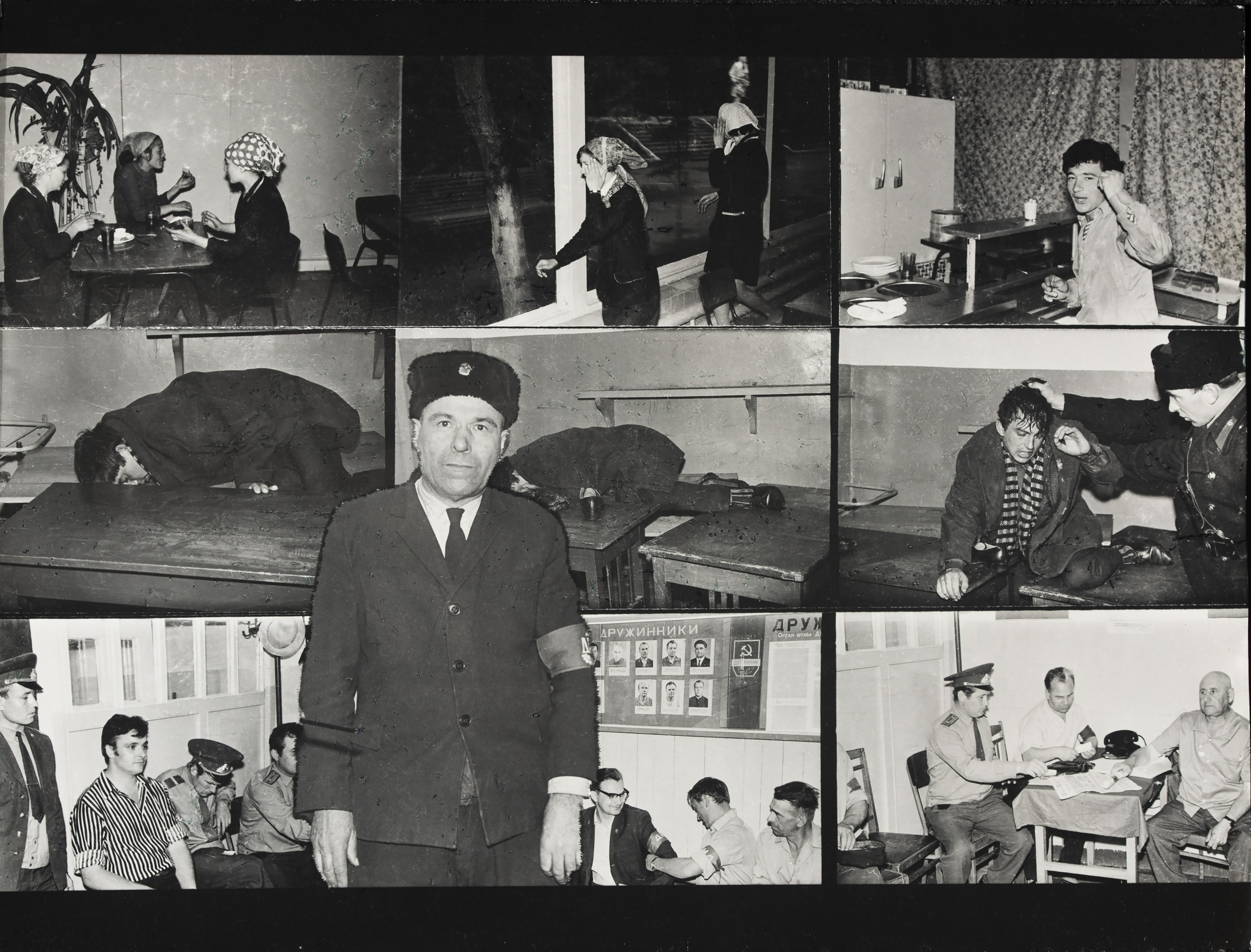
No. 5 from series Life of Factory, 1983. Photograph, 26.3 × 39.5 cm (10 3/8 × 15 9/16 in.). Norton and Nancy Dodge Collection of Nonconformist Art from the Soviet Union. D10883
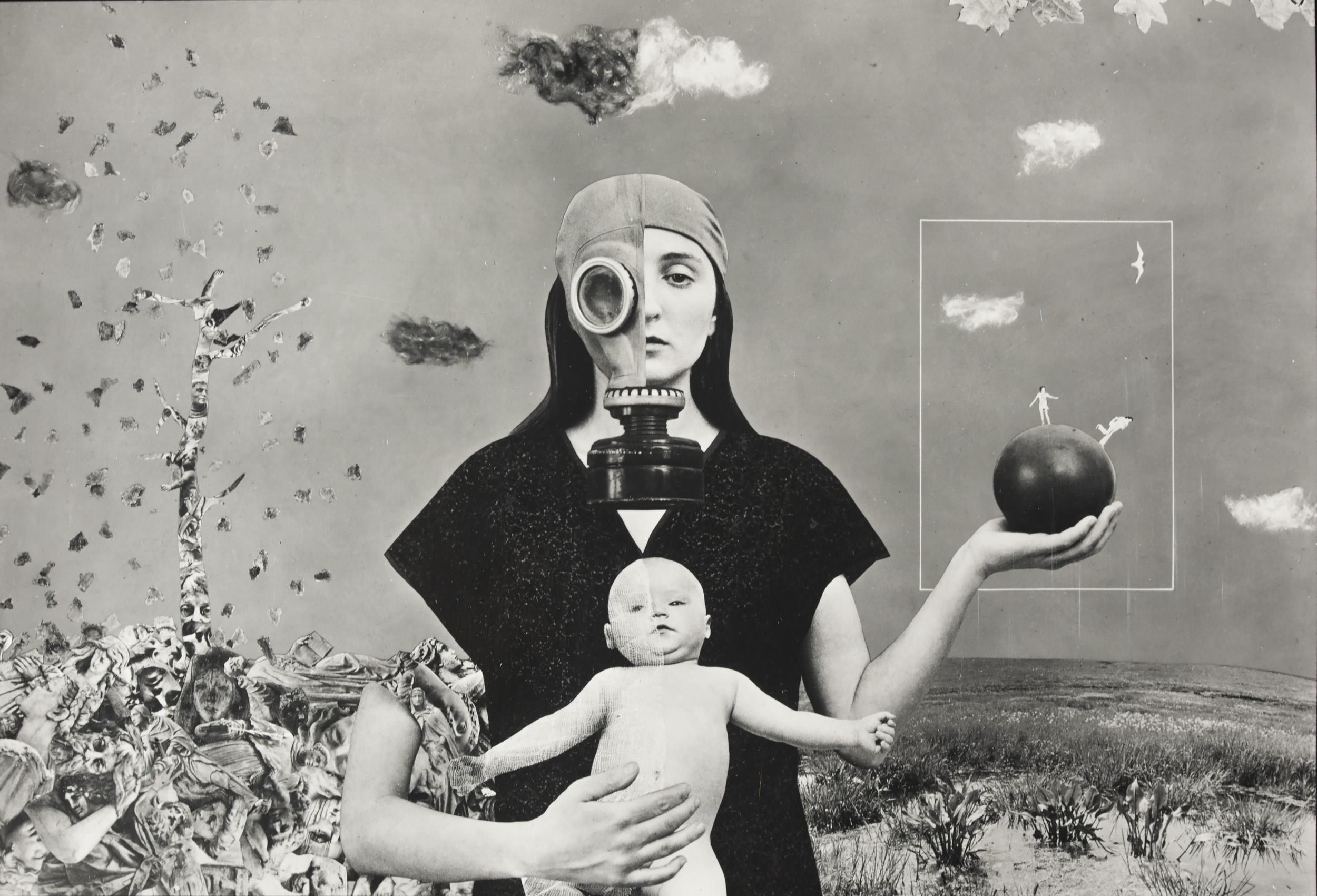
Alternative, 1985. Photograph, 23.6 × 35 cm (9 5/16 × 13 3/4 in.). Norton and Nancy Dodge Collection of Nonconformist Art from the Soviet Union. D10879
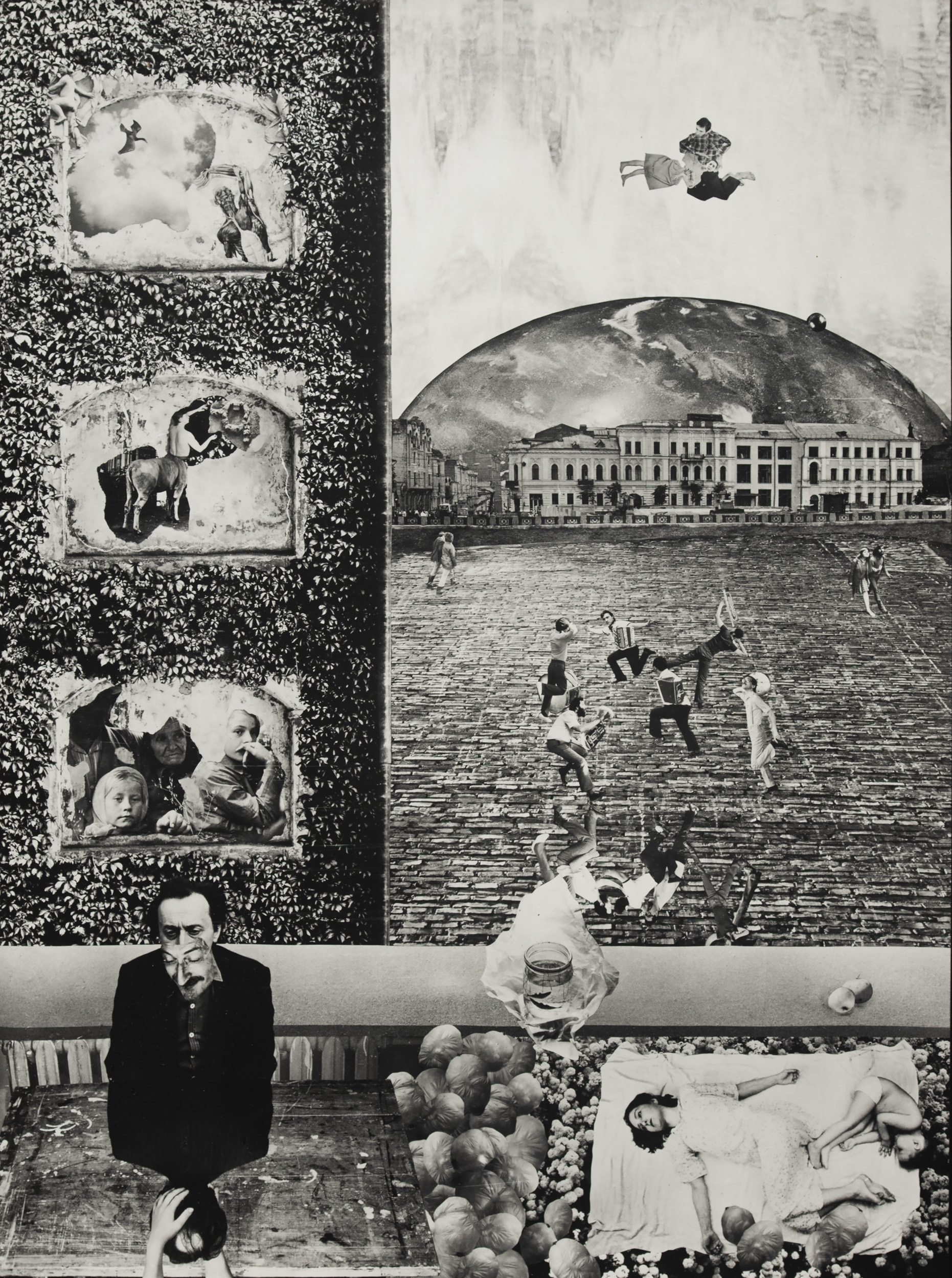
Alone by Myself, 1987. Photograph, 40 × 30.4 cm (15 3/4 × 11 15/16 in.). Norton and Nancy Dodge Collection of Nonconformist Art from the Soviet Union. D10881
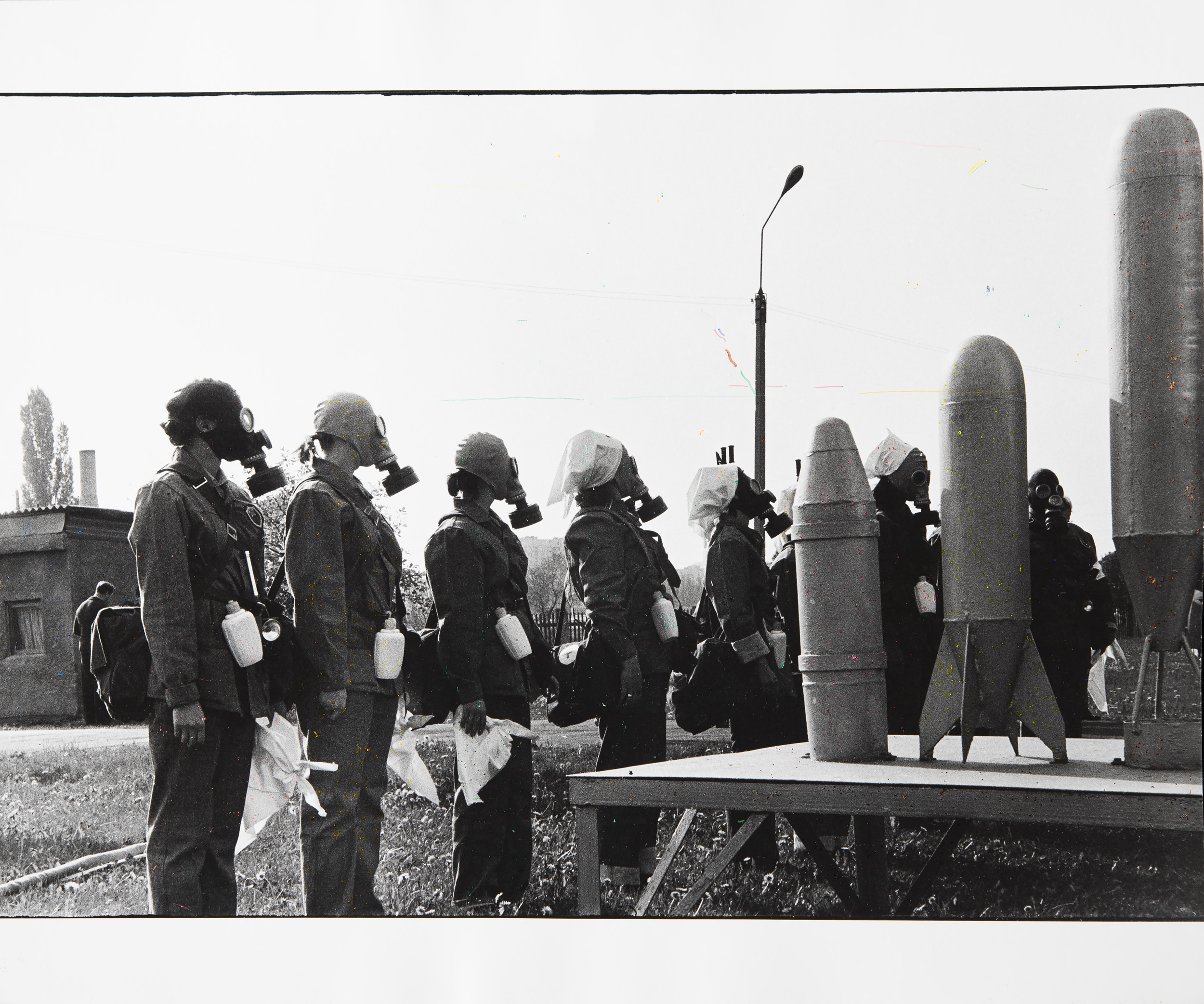
No. 3 from the series Archive, 1983. Handcolored photograph on paper, 37.5 × 54.5 cm (14 3/4 × 21 7/16 in.). Norton and Nancy Dodge Collection of Nonconformist Art from the Soviet Union. D10700
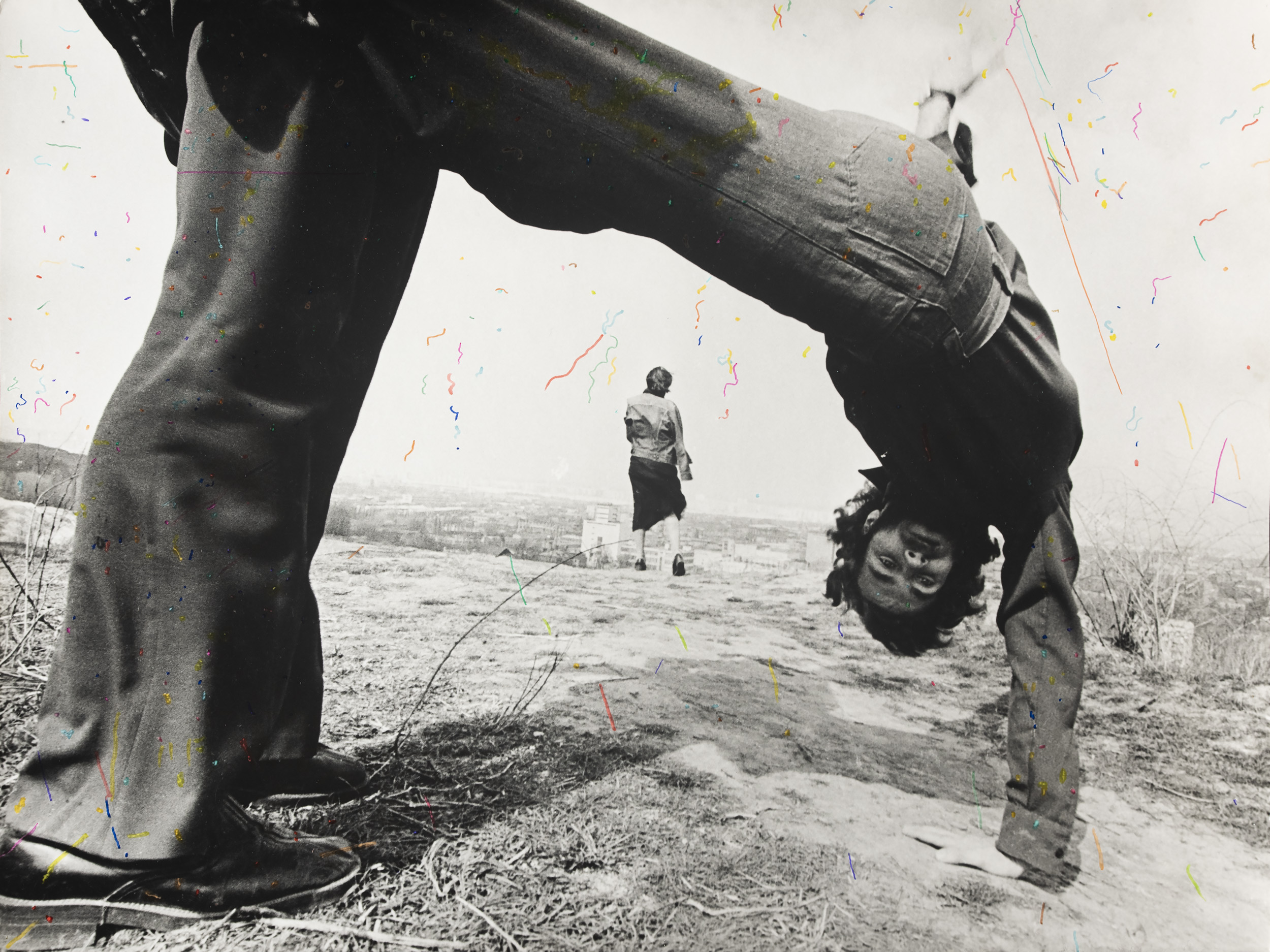
The Archives, 1976. Photograph and ink, 30 × 39.8 cm (11 13/16 × 15 11/16 in.). Norton and Nancy Dodge Collection of Nonconformist Art from the Soviet Union. D10888